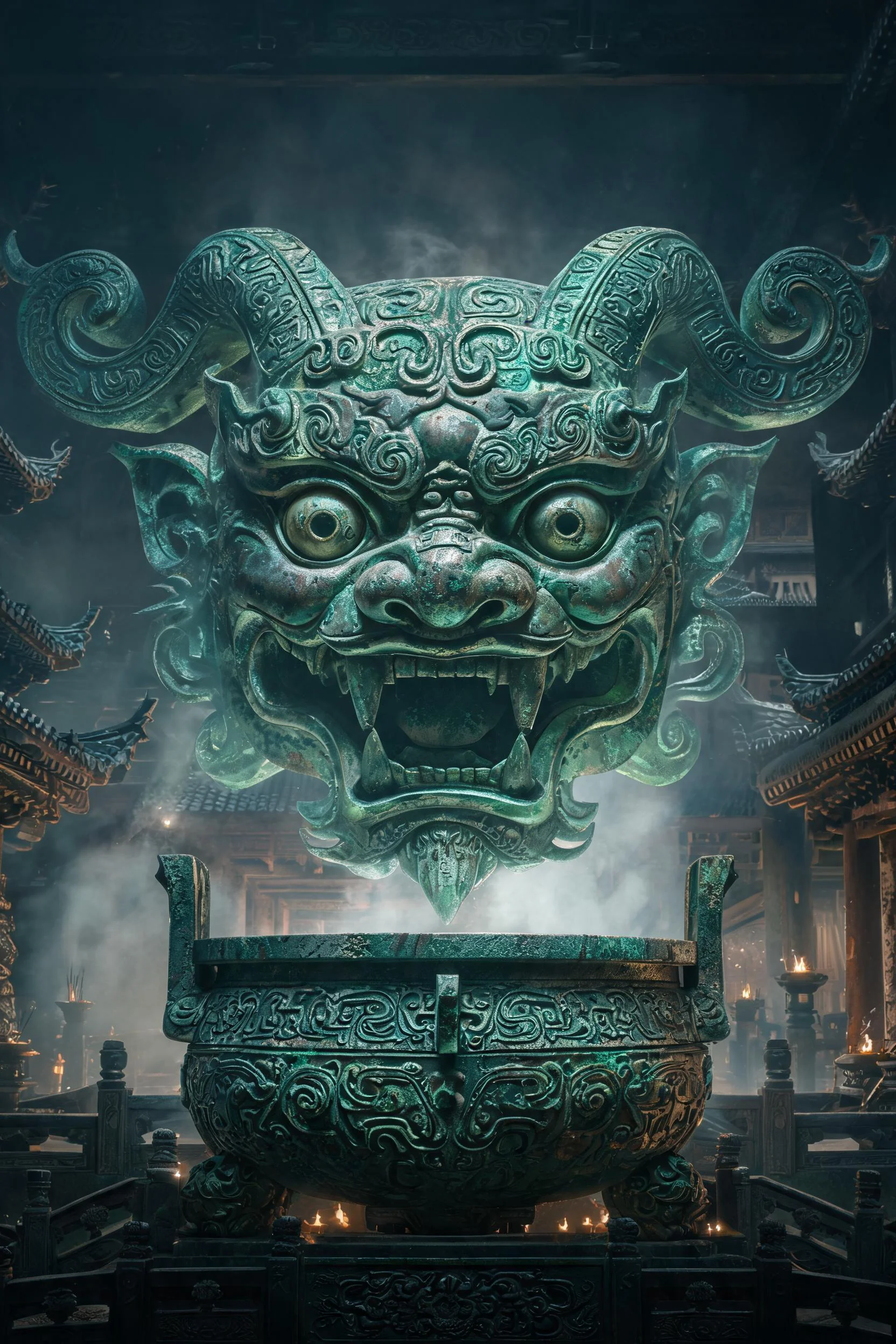
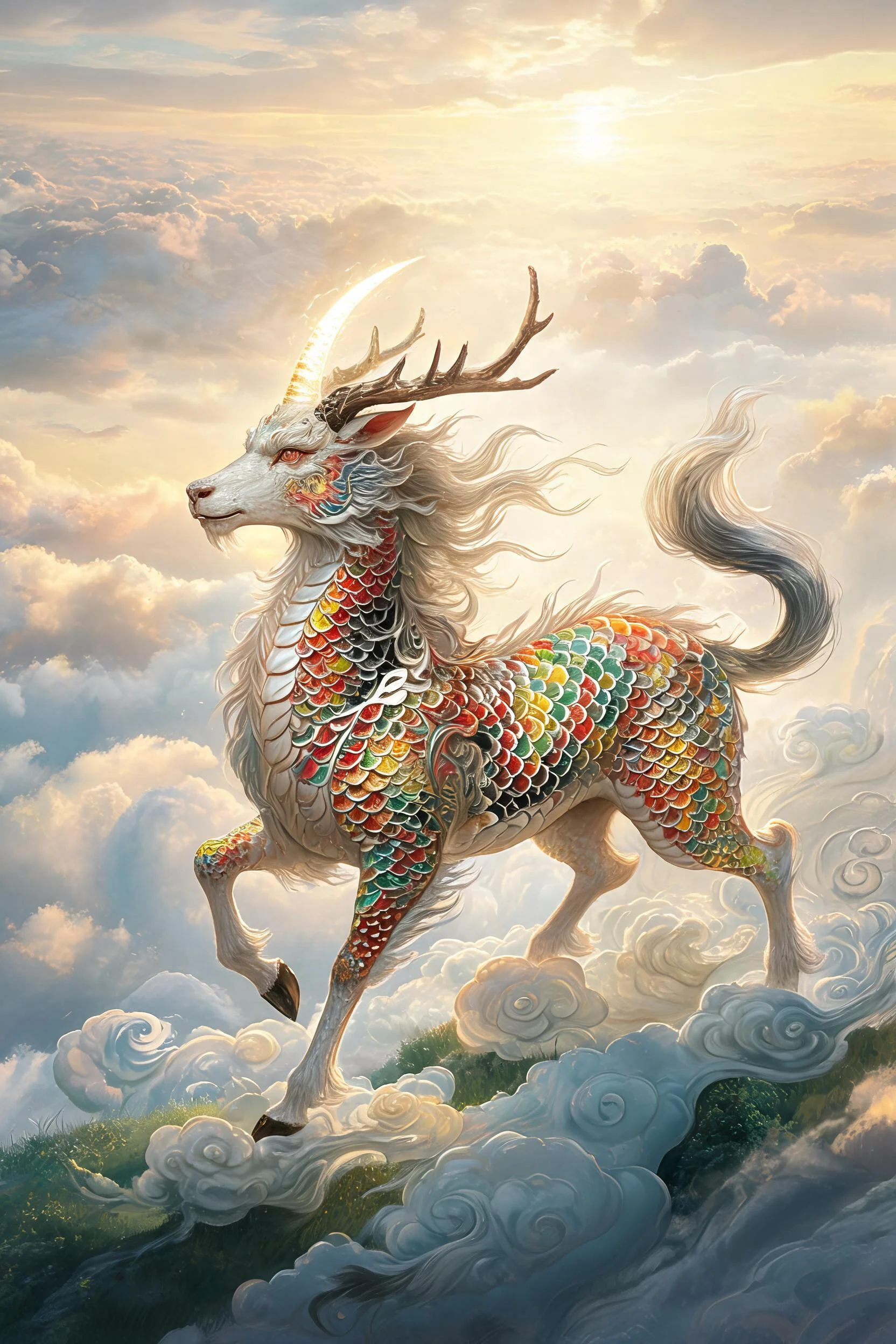
AI-generated likeness
Ancient Mythology
Taotie
饕餮 · 饕餮
One of the Four Fiends · The Gluttonous Beast
Divine Office
- A cautionary emblem against greed
- A guardian motif cast upon ritual bronze vessels to ward off evil
- A symbolic embodiment of insatiable consumption
- A fearsome spiritual presence among the Four Fiends
Origin & Legend
The Lüshi Chunqiu (Master Lü’s Spring and Autumn Annals), in the chapter ‘Xianshi Lan’ (‘Survey of Foreknowledge’), states: ‘The Zhou-dynasty bronze ding cauldrons bear the image of the Taotie—having a head but no body; it devours people before swallowing them, and thereby brings ruin upon itself, illustrating the principle that retribution follows transgression.’ The Zuo Zhuan (Zuo’s Commentary on the Spring and Autumn Annals), in the eighteenth year of Duke Wen of Lu, records that the Jinyun Clan had an unworthy son who was voracious in eating and drinking, and shamelessly covetous of wealth and bribes; the common people across the realm likened him to three or four other notorious villains, calling him the Taotie. When Shun served Emperor Yao, he banished the clans of the Four Fiends—including the Taotie—to the four remote corners of the empire to repel malevolent spirits and demons. As one of the Four Fiends, the Taotie embodied unquenchable hunger and gluttony, ultimately devouring others before even swallowing—thus bringing calamity upon itself. Its fierce, awe-inspiring beast-face motif was cast upon Shang- and Zhou-dynasty ritual bronzes—not only to intimidate malevolent forces but also to serve as an enduring moral warning to future generations against greed.
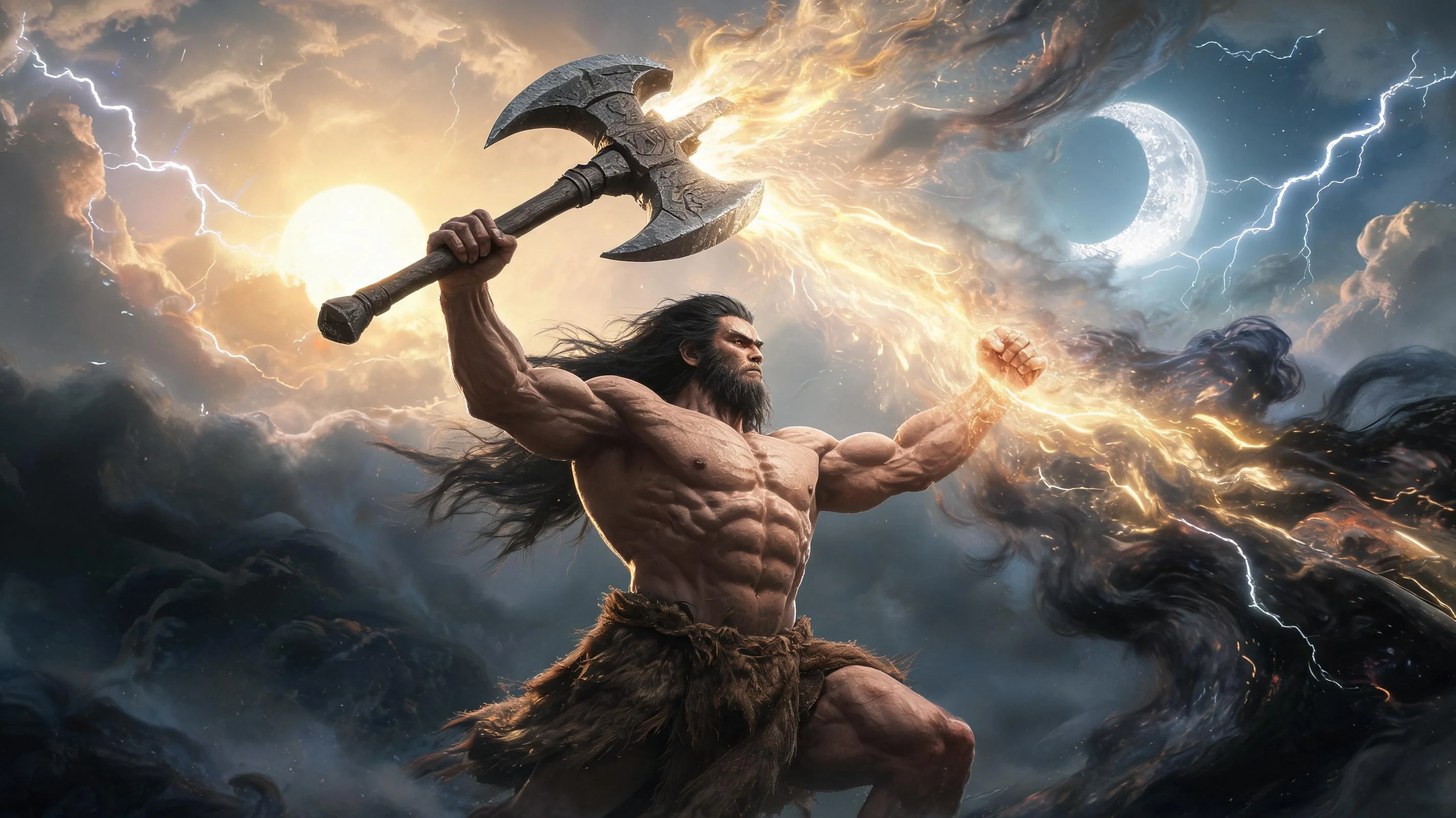 Warding Off Evil
 Children & Marriage
 Safety & Blessing
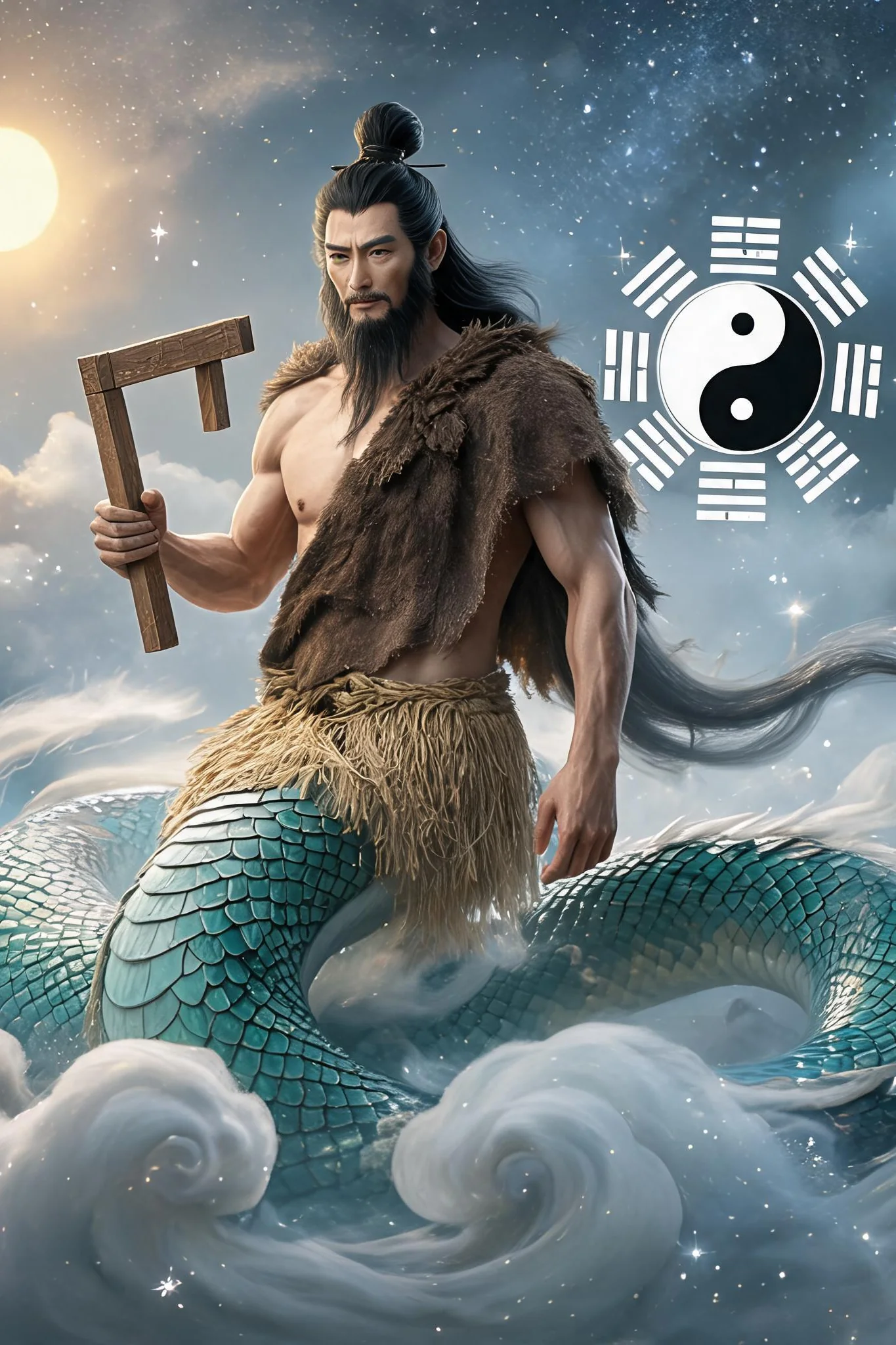 Children & Marriage
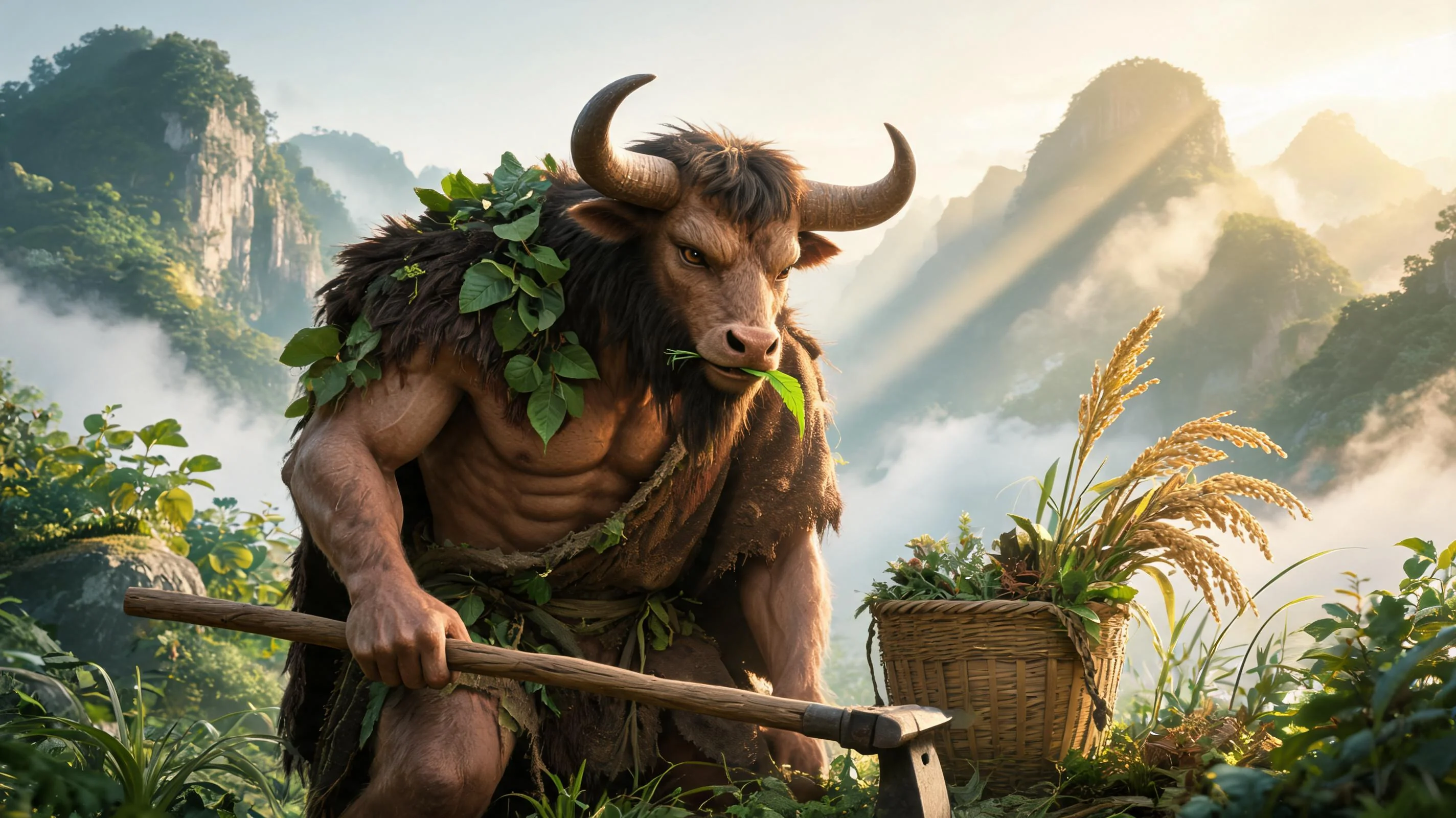 Health & Averting Calamity
 Children & Marriage
 Safety & Blessing
 Safety & Blessing