
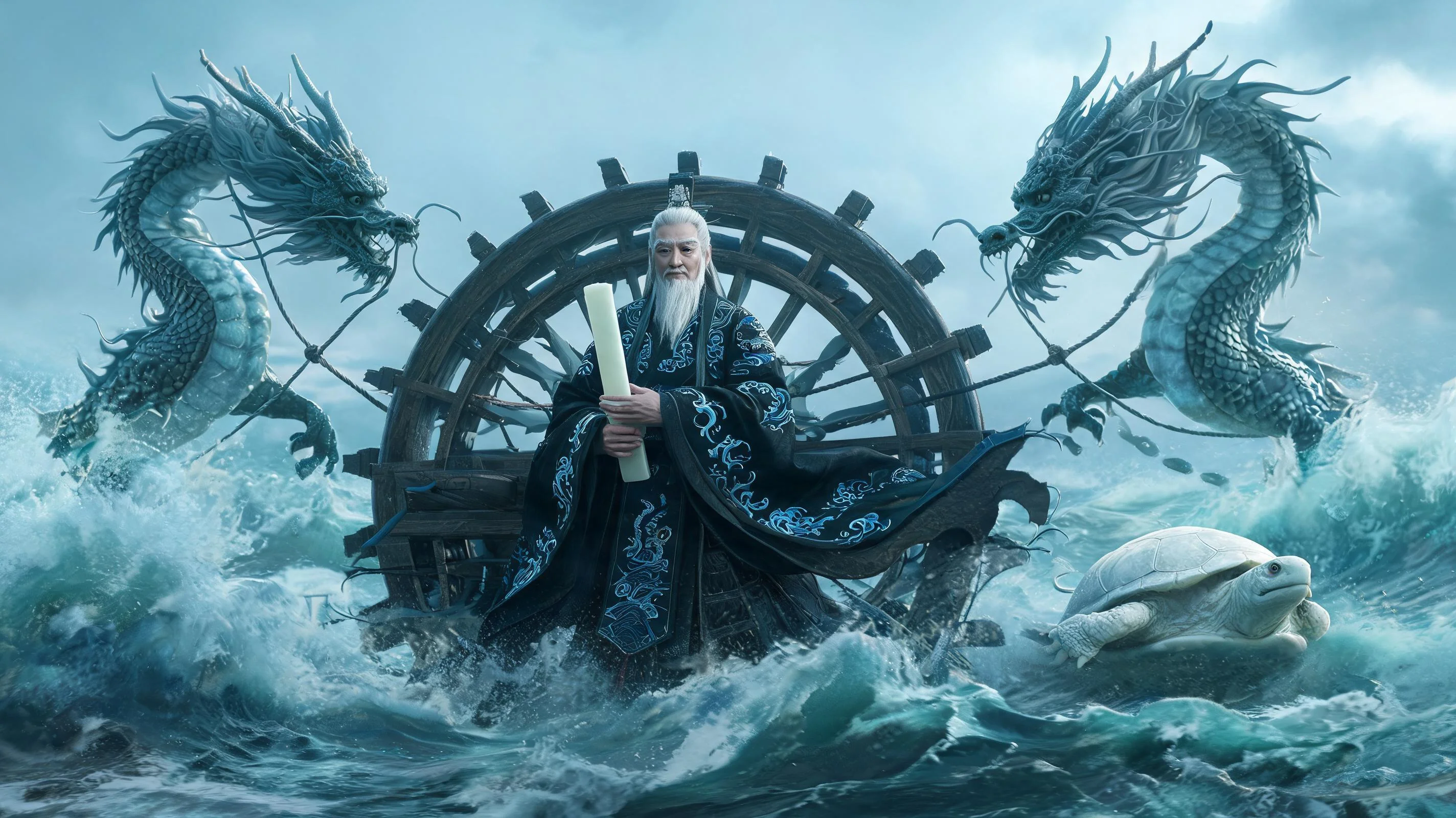
Dragon Kings of the Four Seas
四海龙王 · 四海龍王
(Ao Guang of the East Sea, Ao Qin of the South Sea, Ao Run of the West Sea, and Ao Shun of the North Sea)
Divine Office
- Governing the waters of the Four Seas and commanding aquatic beings—including shrimp soldiers and crab generals
- Controlling cloud formation and rainfall, thereby determining droughts, floods, and agricultural abundance or scarcity
- Protecting fishermen and mariners, ensuring safe voyages and bountiful catches
- Receiving state and popular rain-prayers and rituals to alleviate drought
Origin & Legend
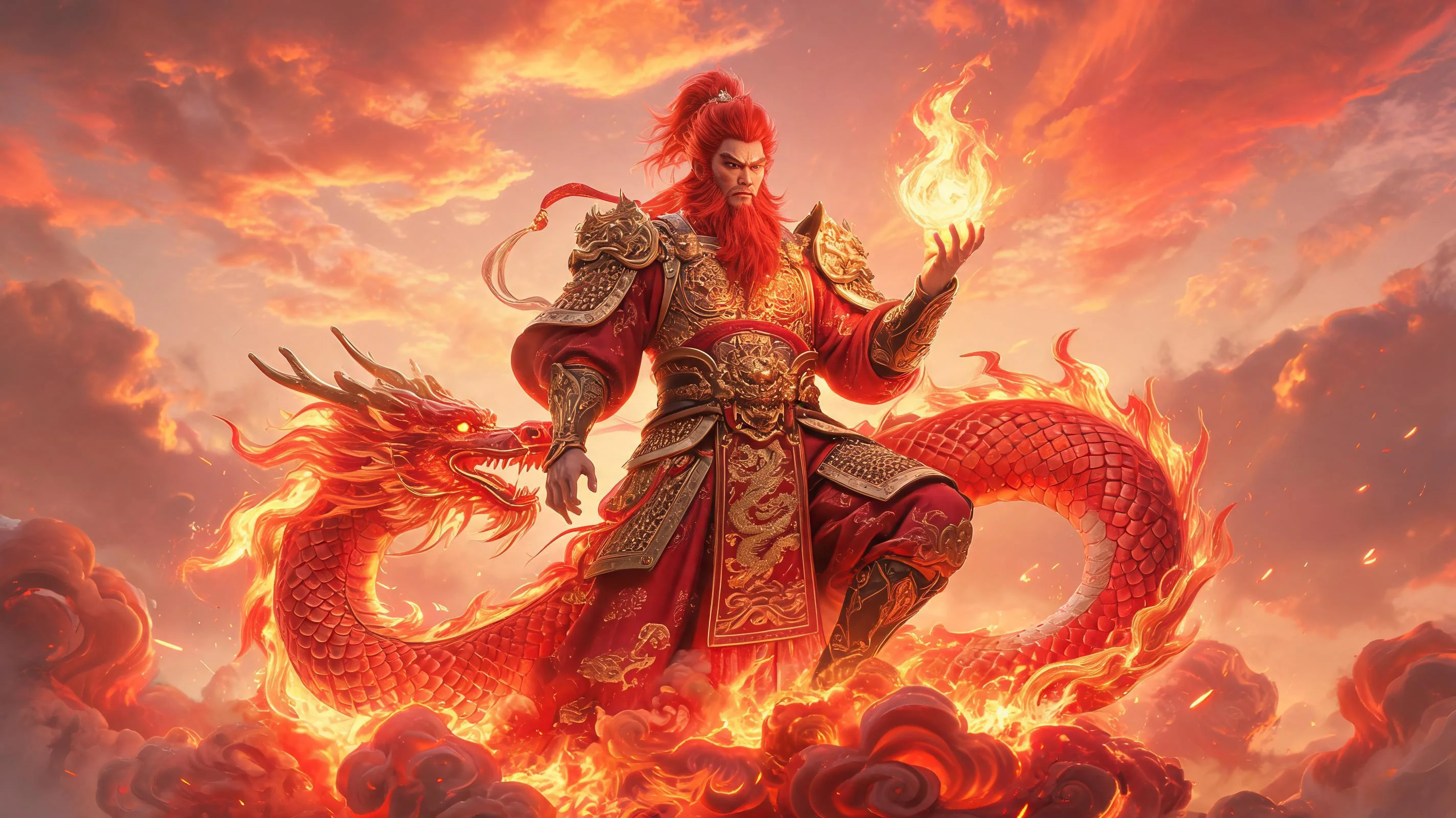
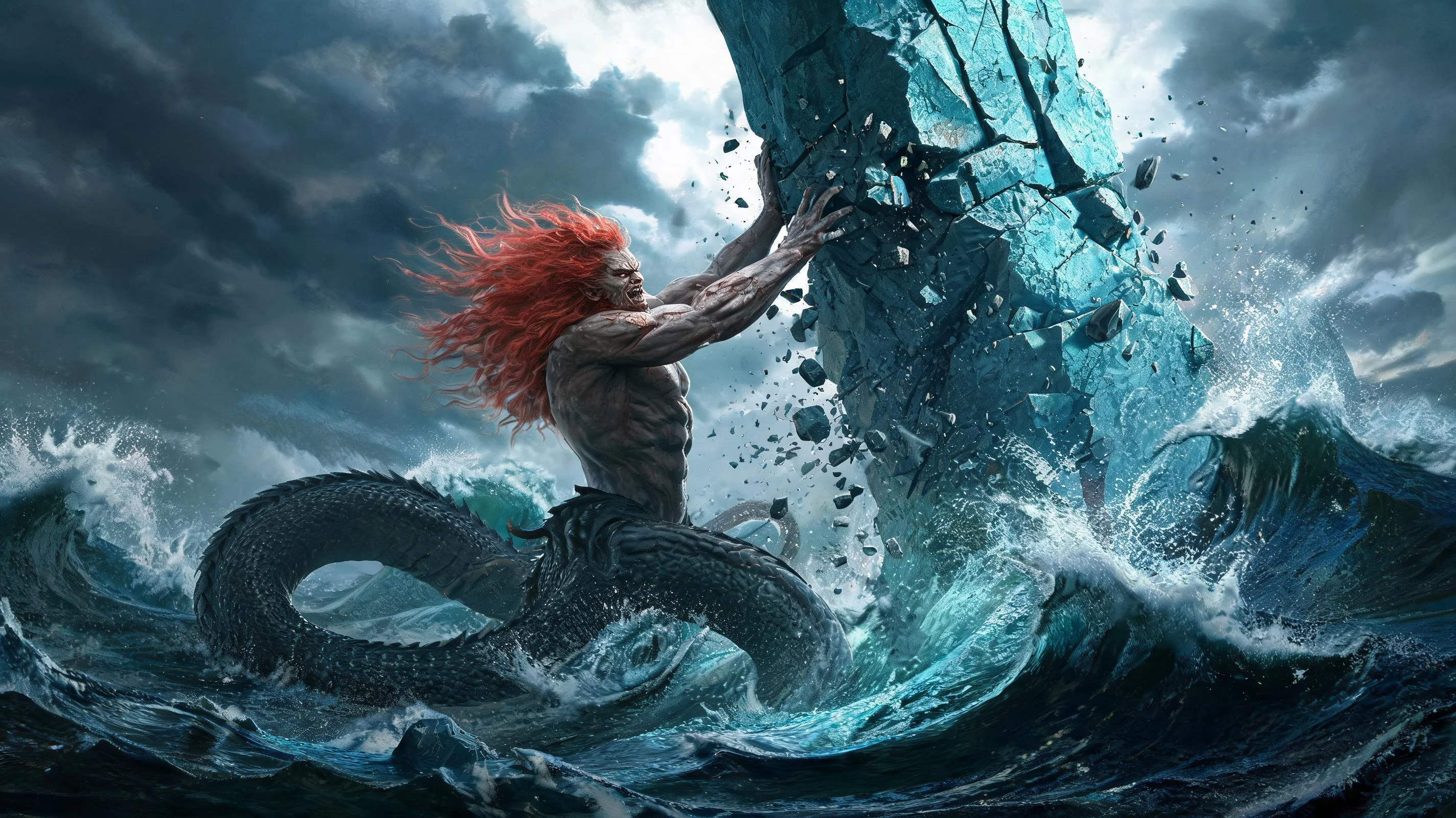
The Dragon King cult originated from the fusion of the Indian Buddhist nāga serpent-deity legends—introduced to China via Buddhist scriptures—with indigenous Chinese dragon veneration. During the Tang dynasty, the imperial court first enfeoffed the deities of the Four Great Rivers as Kings; under Emperor Huizong of the Song dynasty, the Four Sea Dragon Kings were formally invested with titles, solidifying the names Ao Guang of the East Sea, Ao Qin of the South Sea, Ao Run of the West Sea, and Ao Shun of the North Sea. The Dragon Kings rule over the underwater realms and control terrestrial weather: communities along coasts and rivers invariably worship them during droughts to petition for rain, before sea voyages to seek protection, and at ship-launching ceremonies. Dragon deity sacrifices were incorporated into official state rites during the Ming and Qing dynasties, and Dragon King temples flourished nationwide. The vivid portrayals of the Four Sea Dragon Kings in the classic novel Journey to the West further cemented their fame, making them the most widely recognized and deeply rooted water deities in Chinese and broader Sinitic cultural spheres.
 Safety & Blessing
 Safety & Blessing
 Safety & Blessing
 Safety & Blessing
 Safety & Blessing
 Safety & Blessing
 Safety & Blessing
 Safety & Blessing