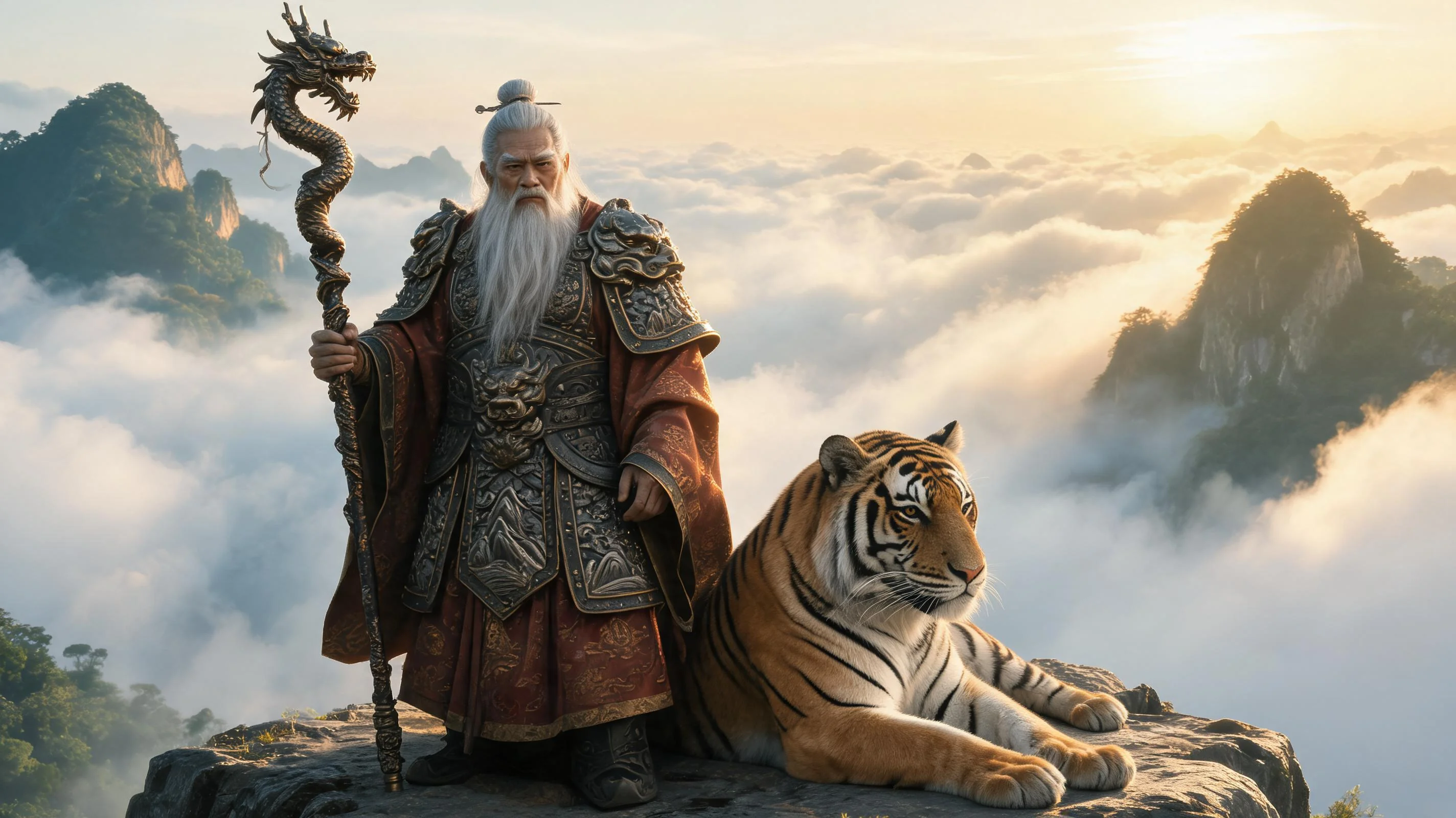
Mountain God
山神 · 山神
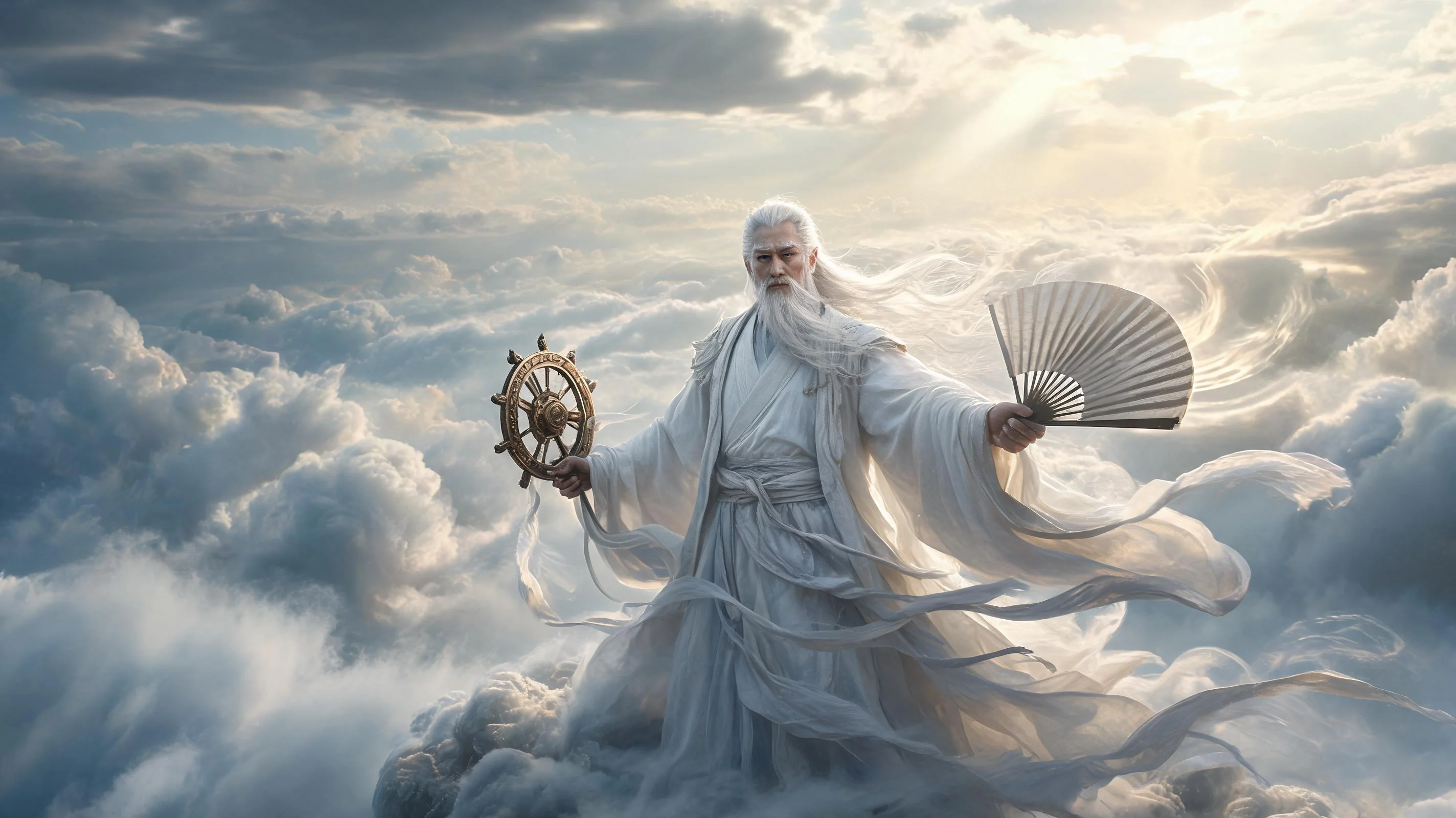
Divine Lord of Mountains
Divine Office
- Governing the entire domain of a given mountain, overseeing all flora and fauna within it
- Protecting woodcutters, hunters, and herbalists entering the mountains
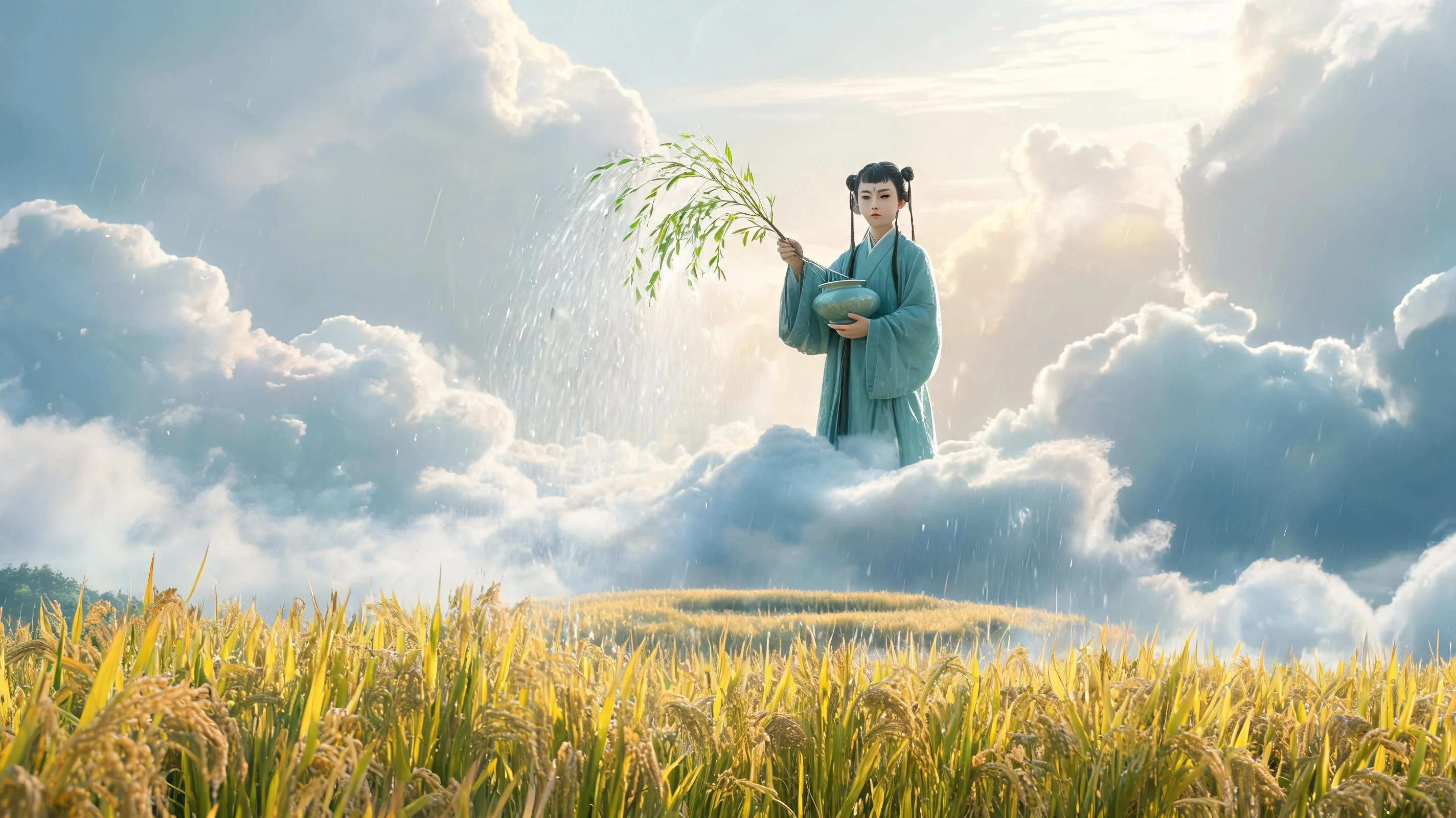
- Controlling mountain winds, rain, clouds, and mists to ensure lush, thriving forests
- Punishing those who engage in illegal logging, reckless hunting, or malevolent activities in the mountains
Origin & Legend
Mountain worship ranks among the oldest religious traditions in Chinese civilization; the Book of Rites explicitly prescribes sacrifices to deities of mountains, forests, rivers, valleys, and hills—natural features from which people draw sustenance and resources. Ancient Chinese believed each mountain possessed its own divine sovereign, responsible for governing mountain weather, vegetation, and wildlife alike; before felling trees or hunting game, people were required to make offerings to the Mountain God—failure to do so risked misfortune or calamity. The Five Great Mountains and Four Sacred Peaks were formally incorporated into the imperial state cult: successive emperors performed the Feng and Shan sacrifices at Mount Tai and dispatched envoys to conduct rites at other major mountain temples, elevating local mountain deities to royal and even imperial titles. Countless Mountain God temples dot mountainous regions nationwide; hunters burn incense and pray before entering the mountains and return to fulfil vows upon successful hunts, while herbalists and woodcutters likewise perform annual rites—testament to an ancient wisdom rooted in mutual dependence and profound reverence between humanity and the mountain realm.
 Safety & Blessing
 Safety & Blessing
 Safety & Blessing
 Safety & Blessing
 Safety & Blessing
 Safety & Blessing
 Safety & Blessing
 Safety & Blessing