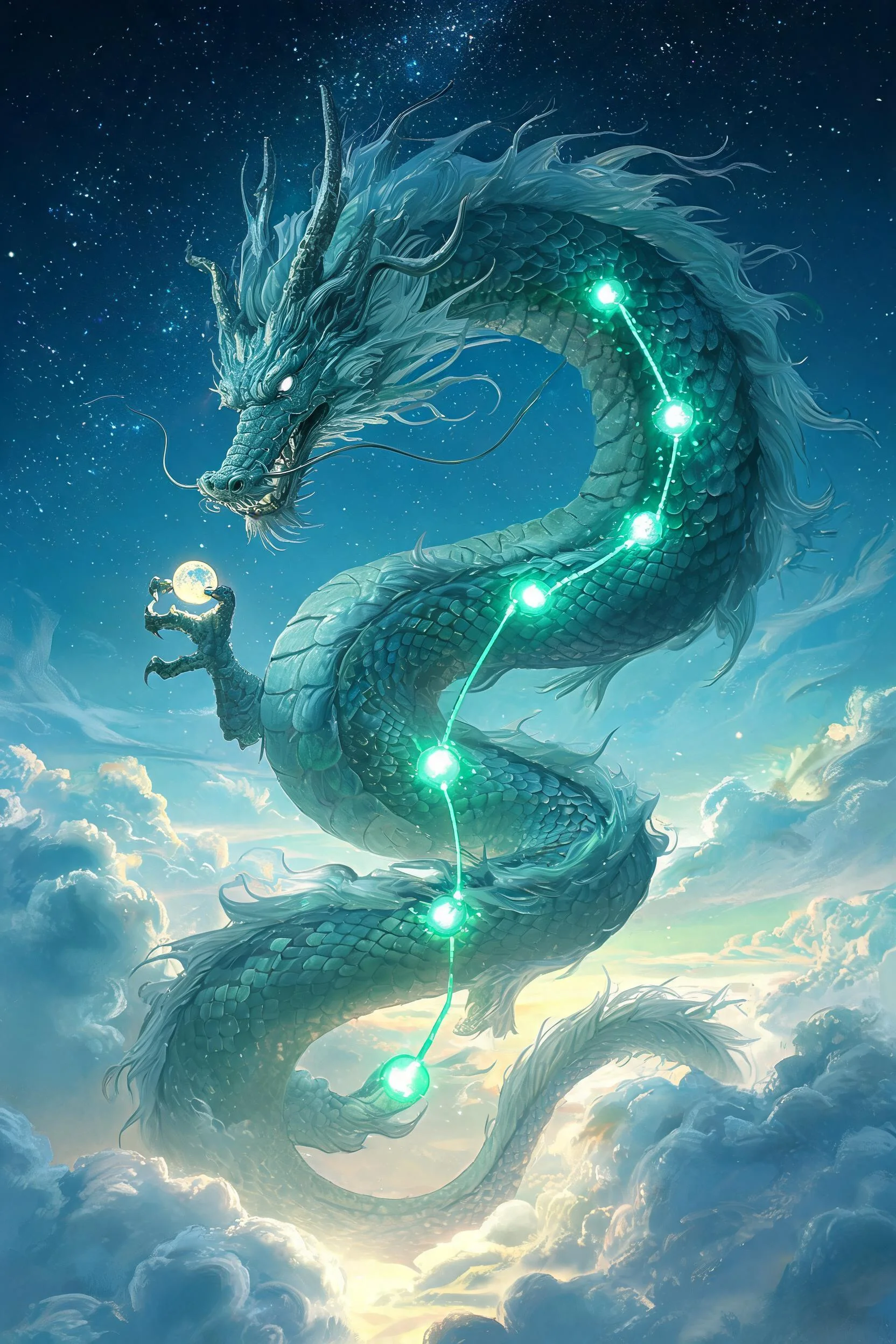
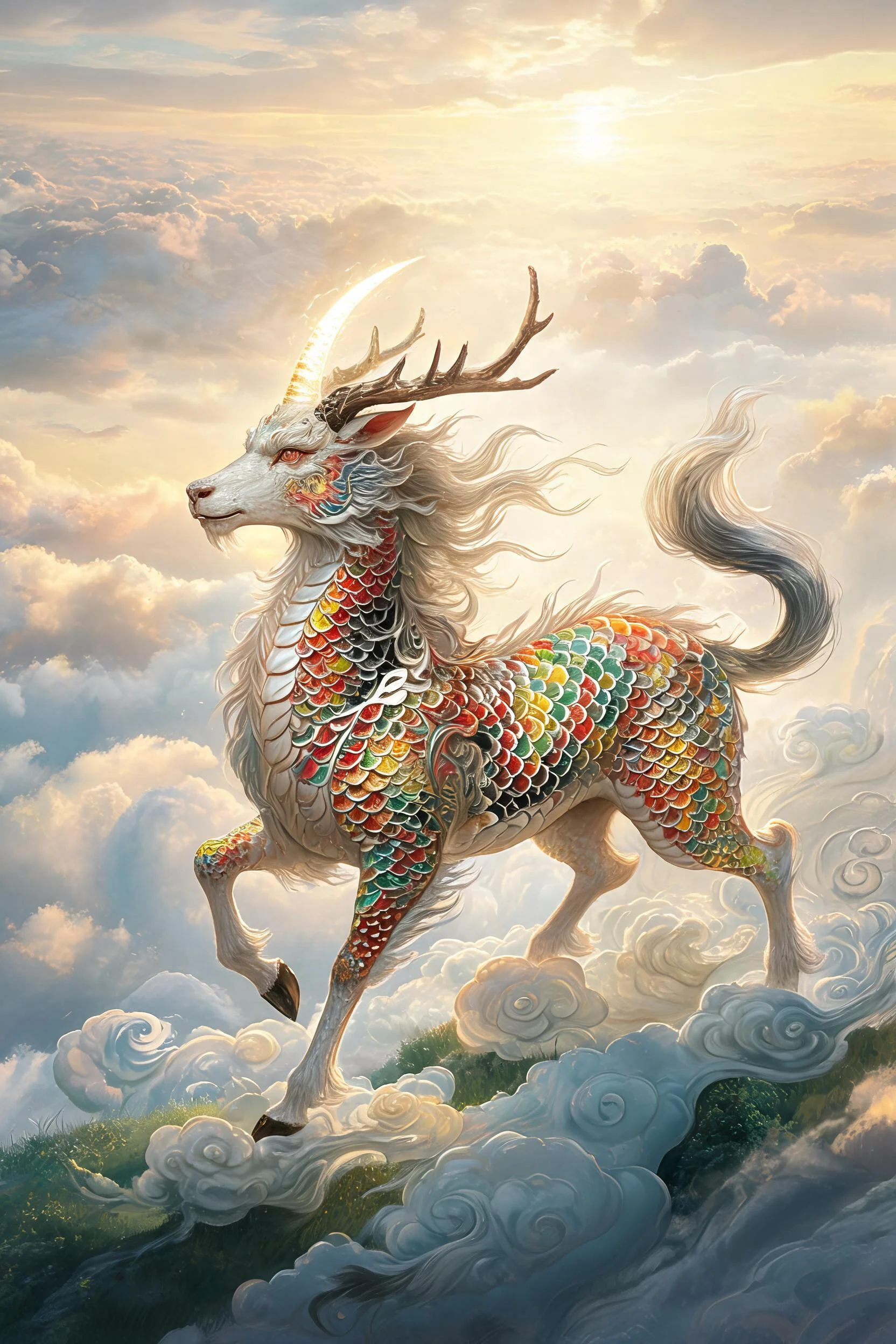
AI-generated likeness
Ancient Mythology
Azure Dragon
青龙 · 青龍
Deity of the Seven Lunar Mansions of the Azure Dragon in the East
Divine Office
- Guardian of the East
- Master of Spring and the flourishing of all living things
- Sovereign over the seven eastern lunar mansions—Jiao, Kang, Di, Fang, Xin, Wei, and Ji
- Symbol of auspiciousness and vital energy
Origin & Legend
Qinglong is one of the Four Celestial Symbols, formed by connecting the seven eastern lunar mansions—Jiao, Kang, Di, Fang, Xin, Wei, and Ji. It governs spring, corresponds to the Wood element, and bears the colour azure. In the Huainanzi: Treatise on Astronomy, it serves as the assistant deity to Taihao, the Eastern Emperor. During the Han dynasty, motifs of the Azure Dragon proliferated on roof-tile end caps and tomb murals, appearing alongside the White Tiger (Baihu), Vermilion Bird (Zhuque), and Black Tortoise (Xuanwu) as the Four Auspicious Beasts, each guarding one cardinal direction to ward off malevolent forces. The Book of Rites: Discourse on Ritual States, 'The qilin, phoenix, tortoise, and dragon are called the Four Auspicious Beasts.' Symbolising the vitality of the East and imperial auspiciousness, the Azure Dragon inspired era names, ceremonial robes, and state iconography throughout Chinese history—a profound synthesis of dragon veneration and stellar worship.
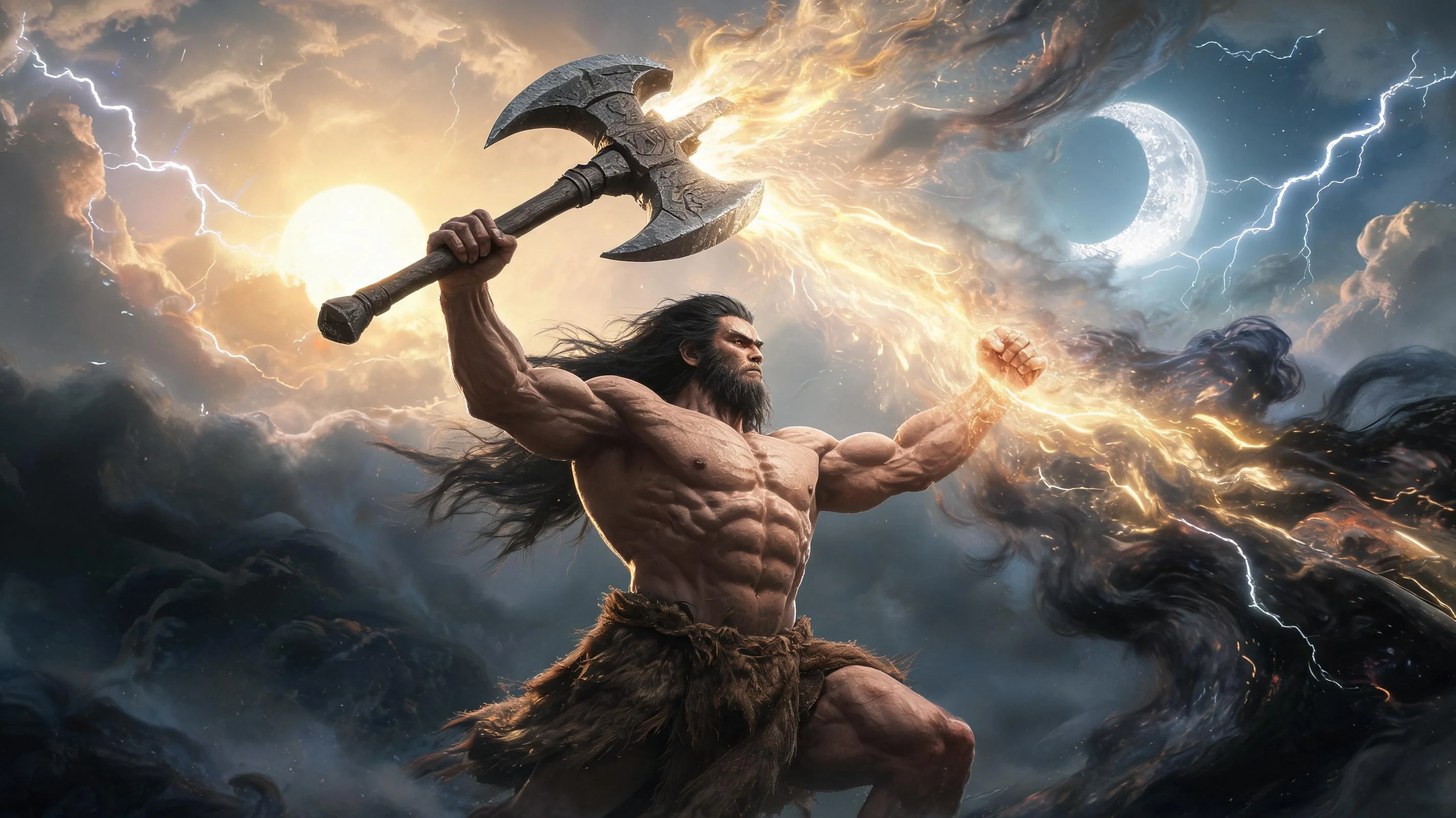 Warding Off Evil
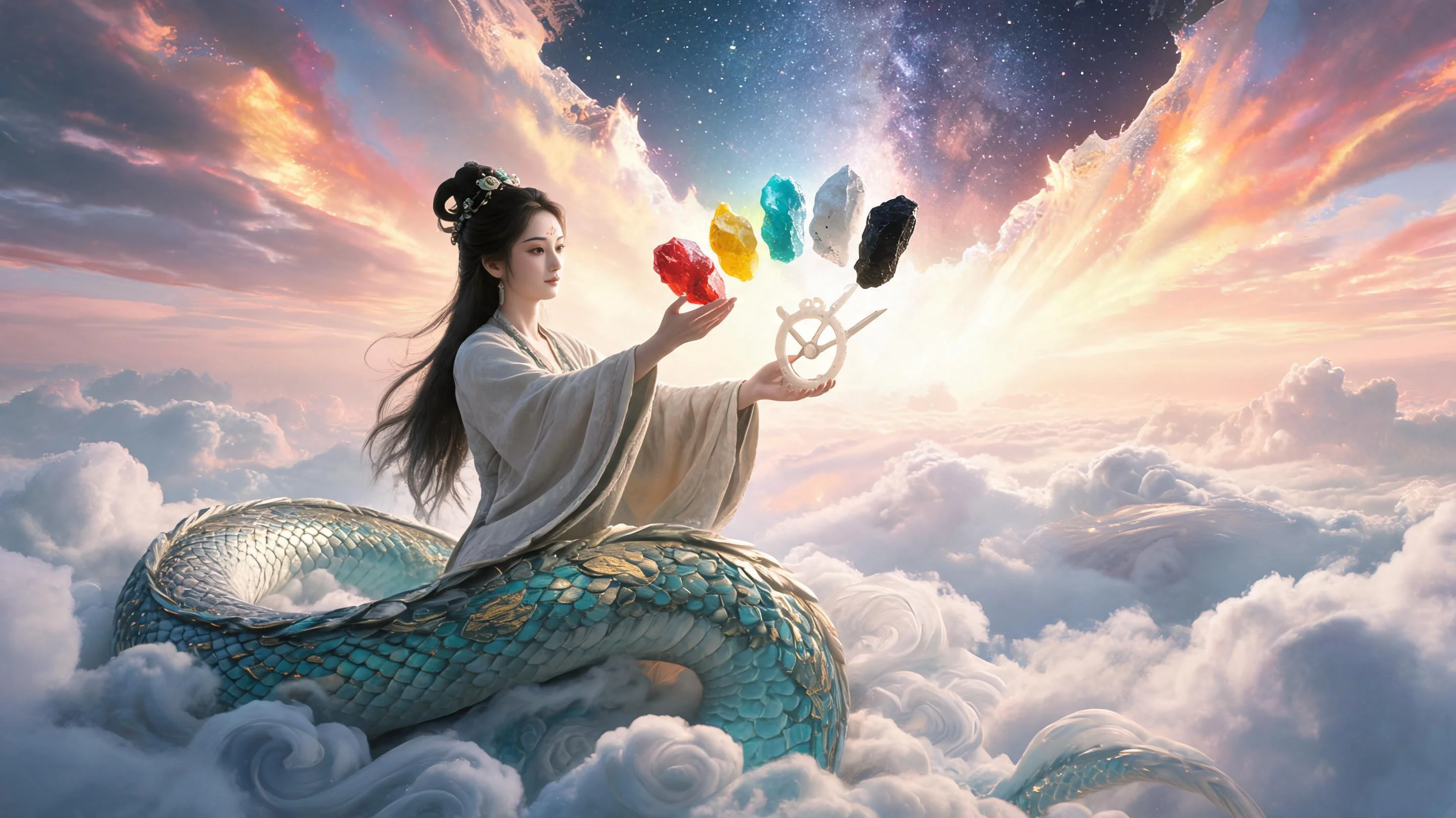 Children & Marriage
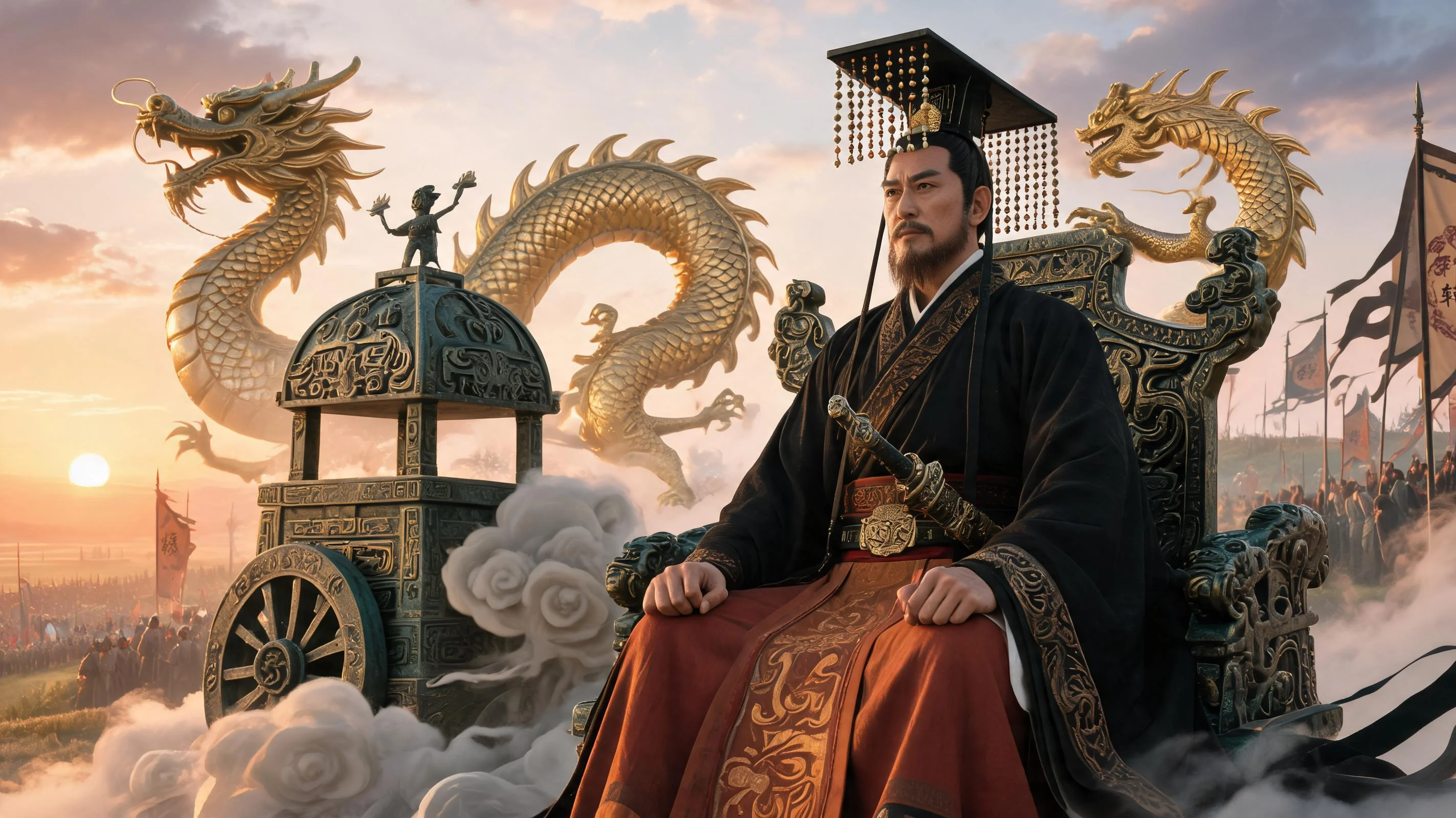 Safety & Blessing
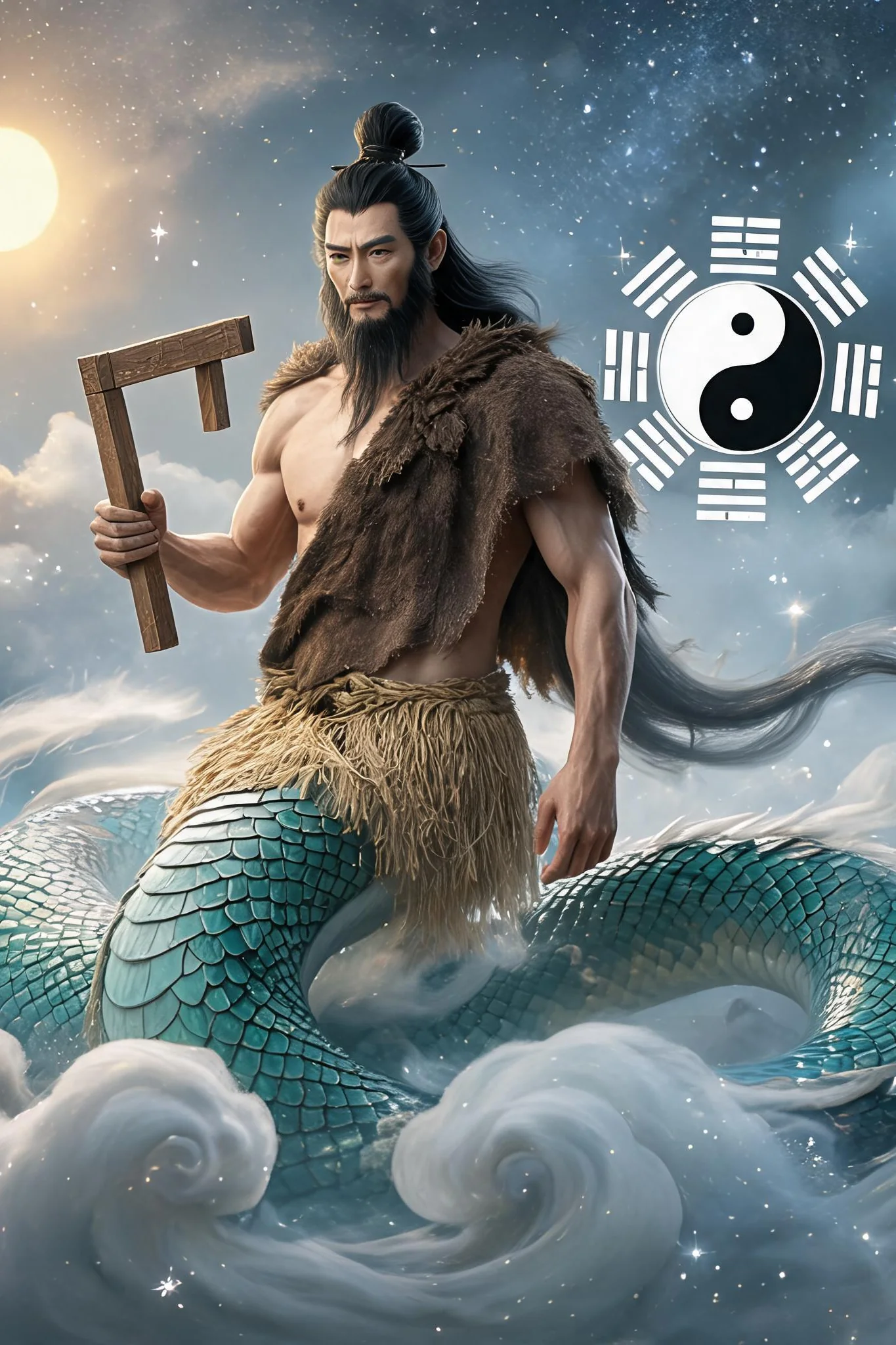 Children & Marriage
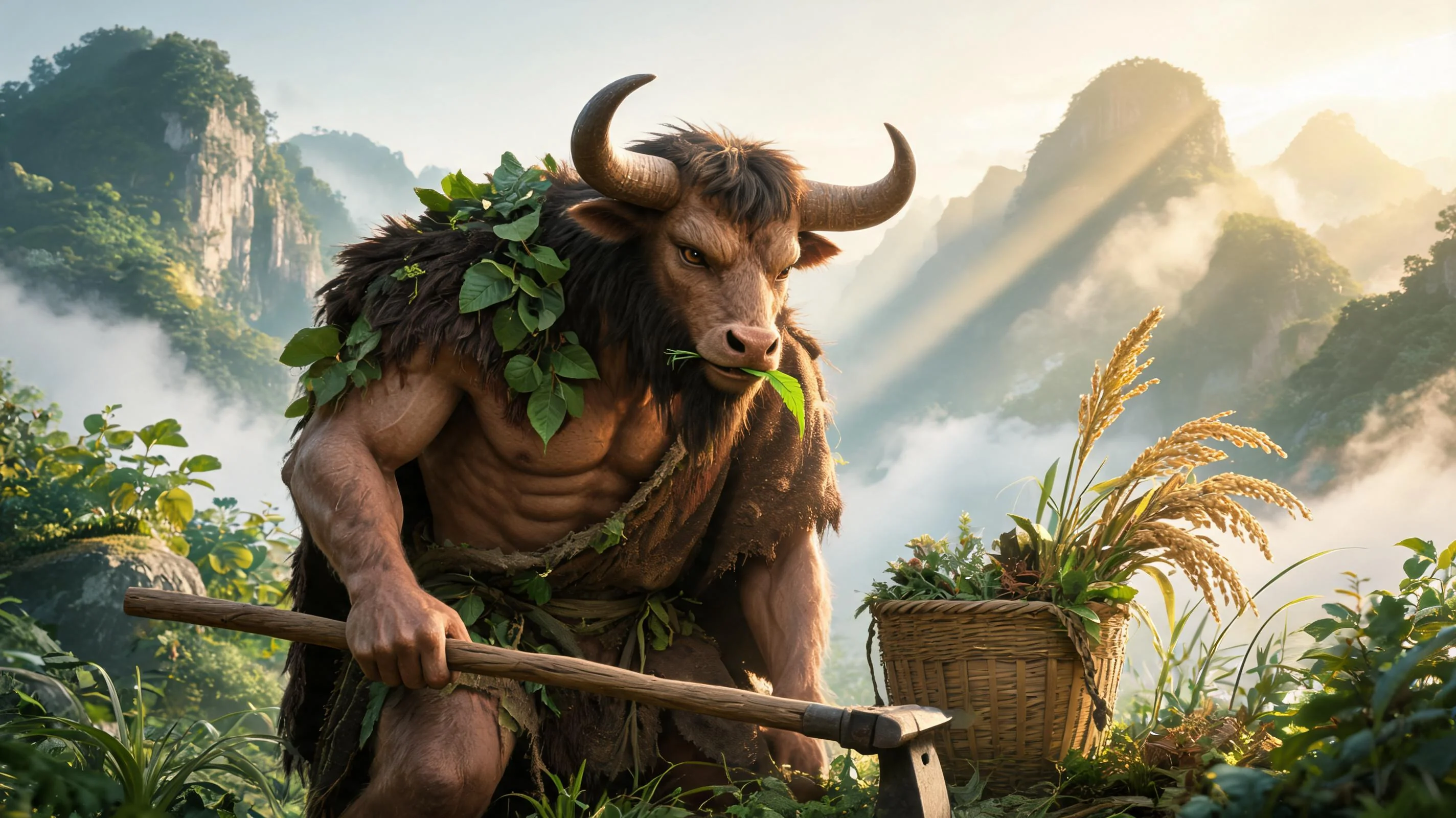 Health & Averting Calamity
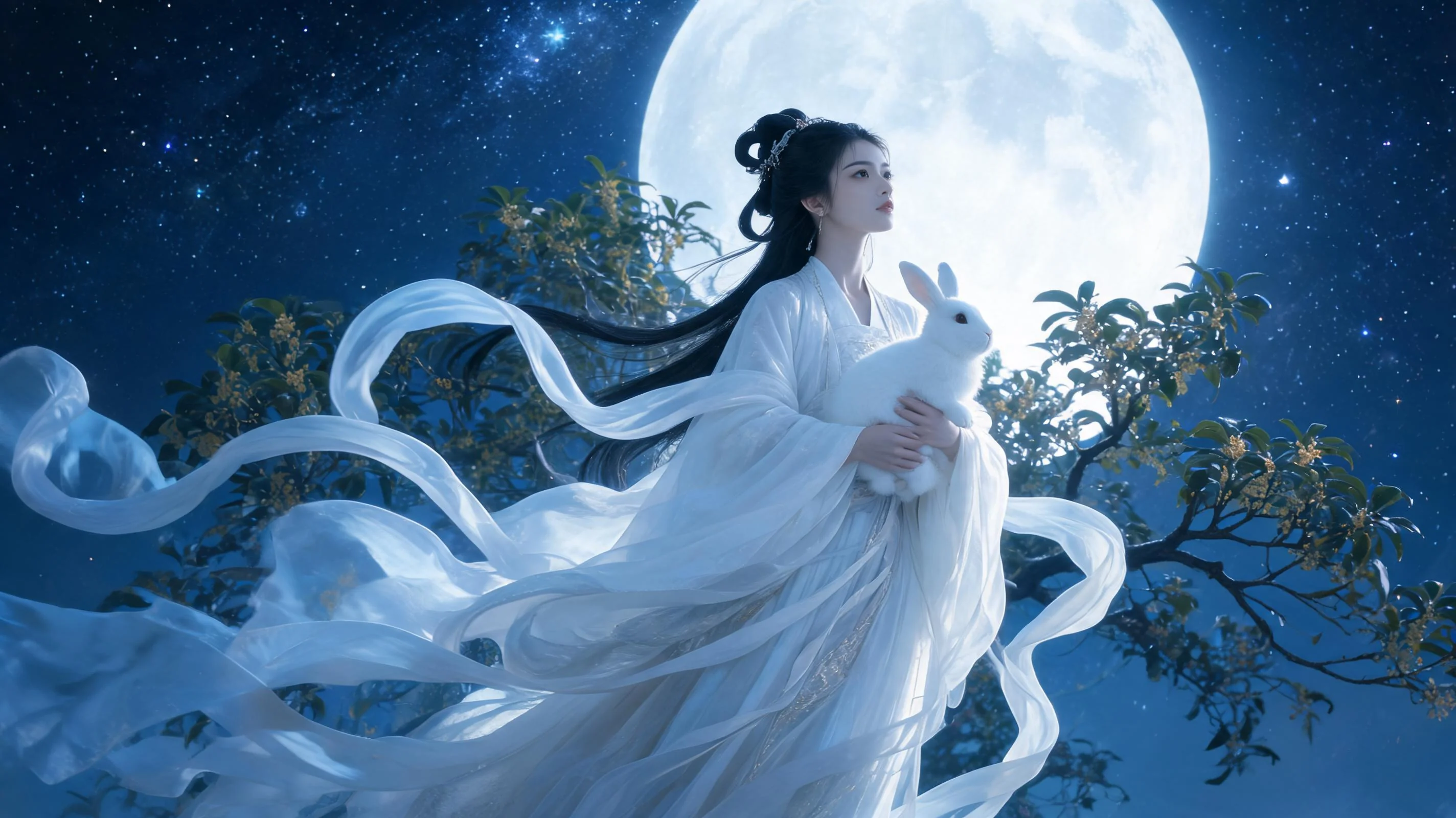 Children & Marriage
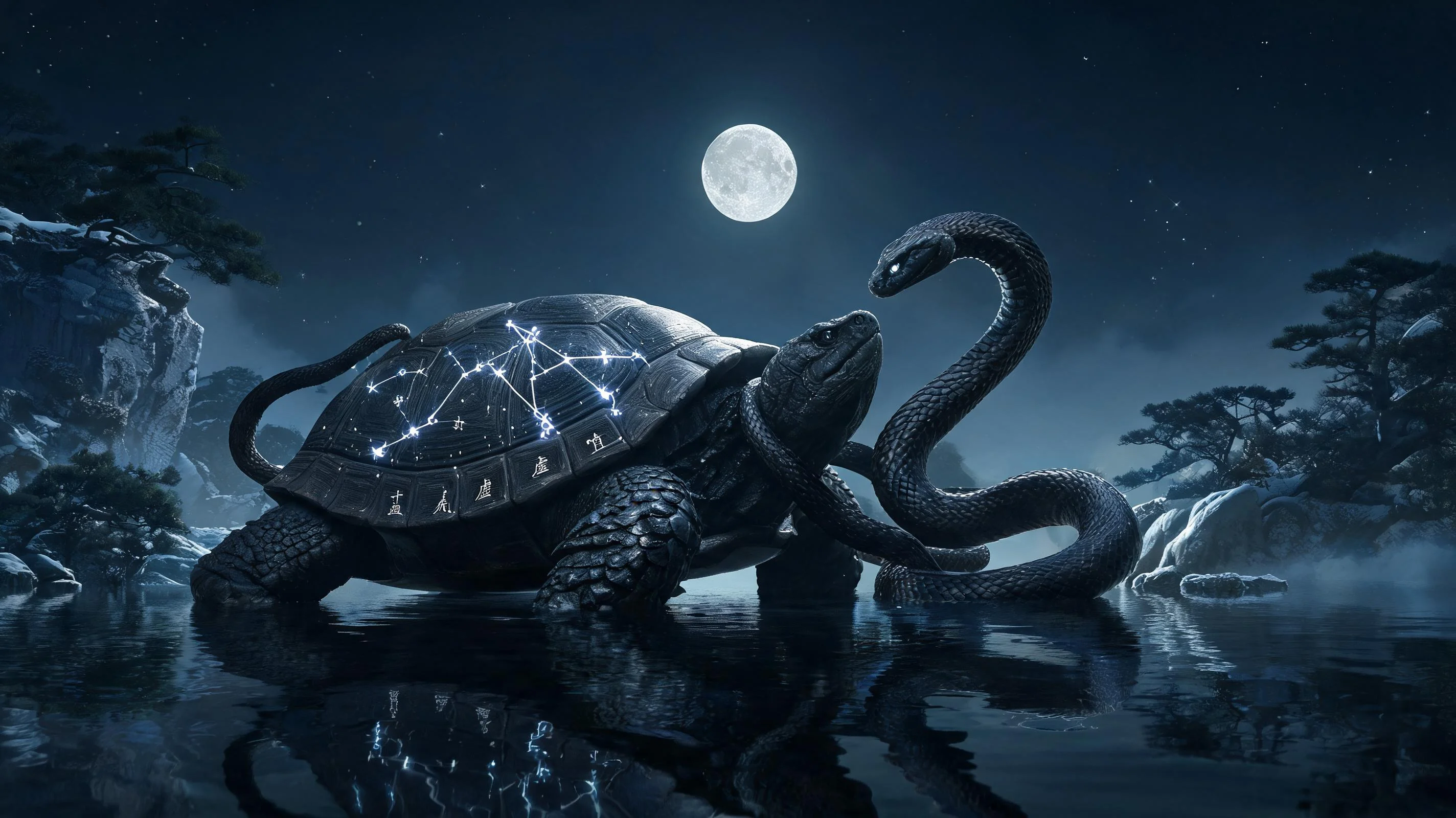 Safety & Blessing
 Safety & Blessing