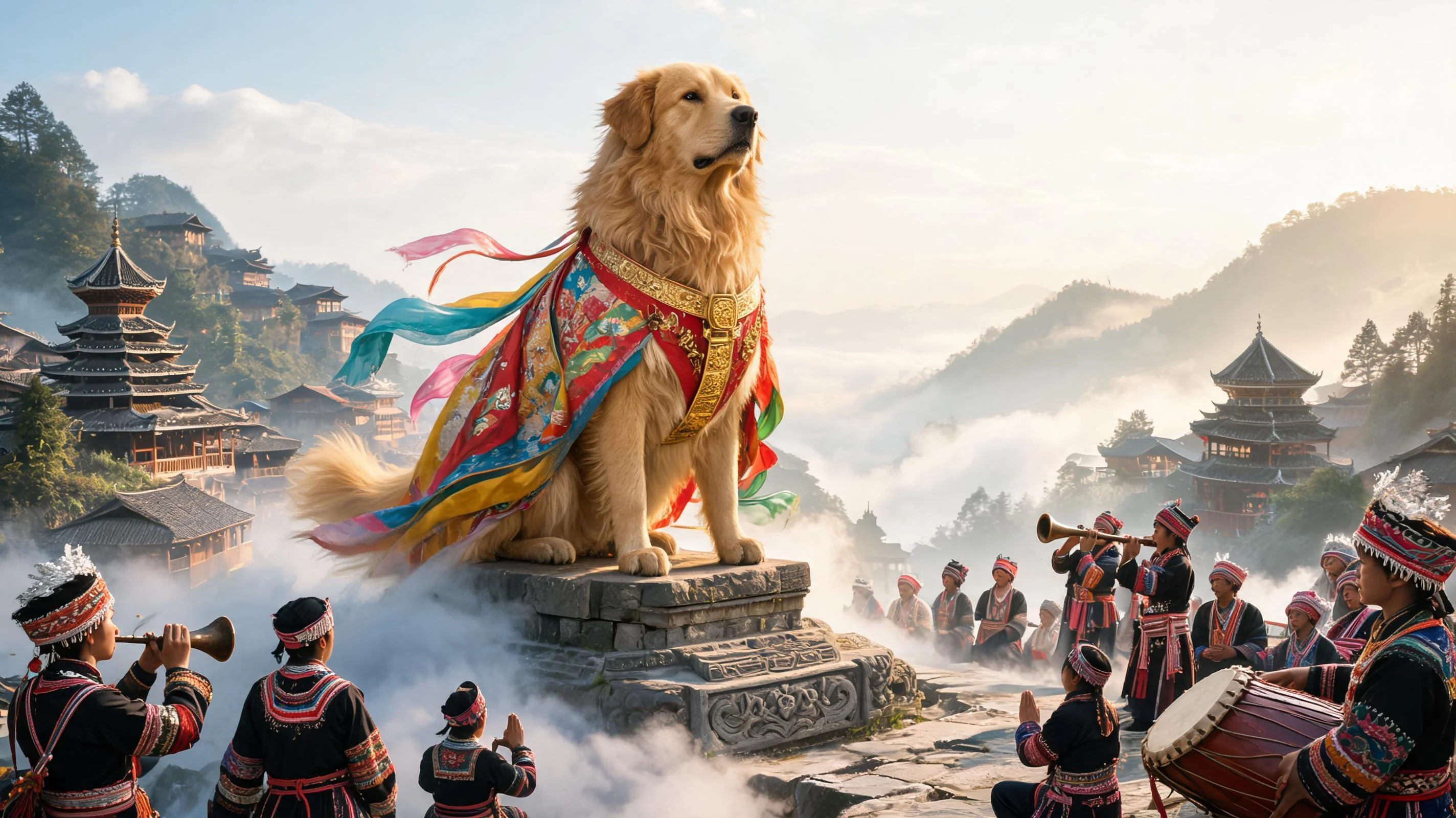
Pan Hu
盘瓠 · 盤瓠
Pan Wang (King Pan)
Divine Office
- Ancestral deity of the Yao and She ethnic groups
- Protector of tribal reproduction and continuity
- Guardian of bountiful harvests
- Blessed guardian of safe hunting
Origin & Legend
Pan Hu is a figure from ancient Chinese mythology, recorded in historical texts such as the 'Treatise on the Southern Barbarians' in the Book of the Later Han, the In Search of the Supernatural, and Yao clan documents including the Guo Shan Bang ('Rolling-over-the-Mountain Register'). During the reign of Emperor Gaoxin, the Quanrong tribes invaded the realm; the emperor’s hound Pan Hu seized the enemy commander’s head and presented it as proof of victory. As reward, he married the emperor’s third daughter and fathered six sons and six daughters—ancestors of the Yao and She peoples. The Yao revere him as 'Pan Wang', their founding ancestral deity; during centuries of migration, they invoked his protection when facing perilous sea crossings, vowing to repay him upon safe arrival—a vow that evolved into the enduring ritual tradition known as 'Returning the Vow to Pan Wang'. On the 16th day of the 10th lunar month, the Yao celebrate the Pan Wang Festival with the vigorous Long Drum Dance and soulful Pan Wang Songs—an intangible cultural heritage inscribed on China’s national list. The She people likewise honour Pan Hu as the 'Loyal and Valiant King'.
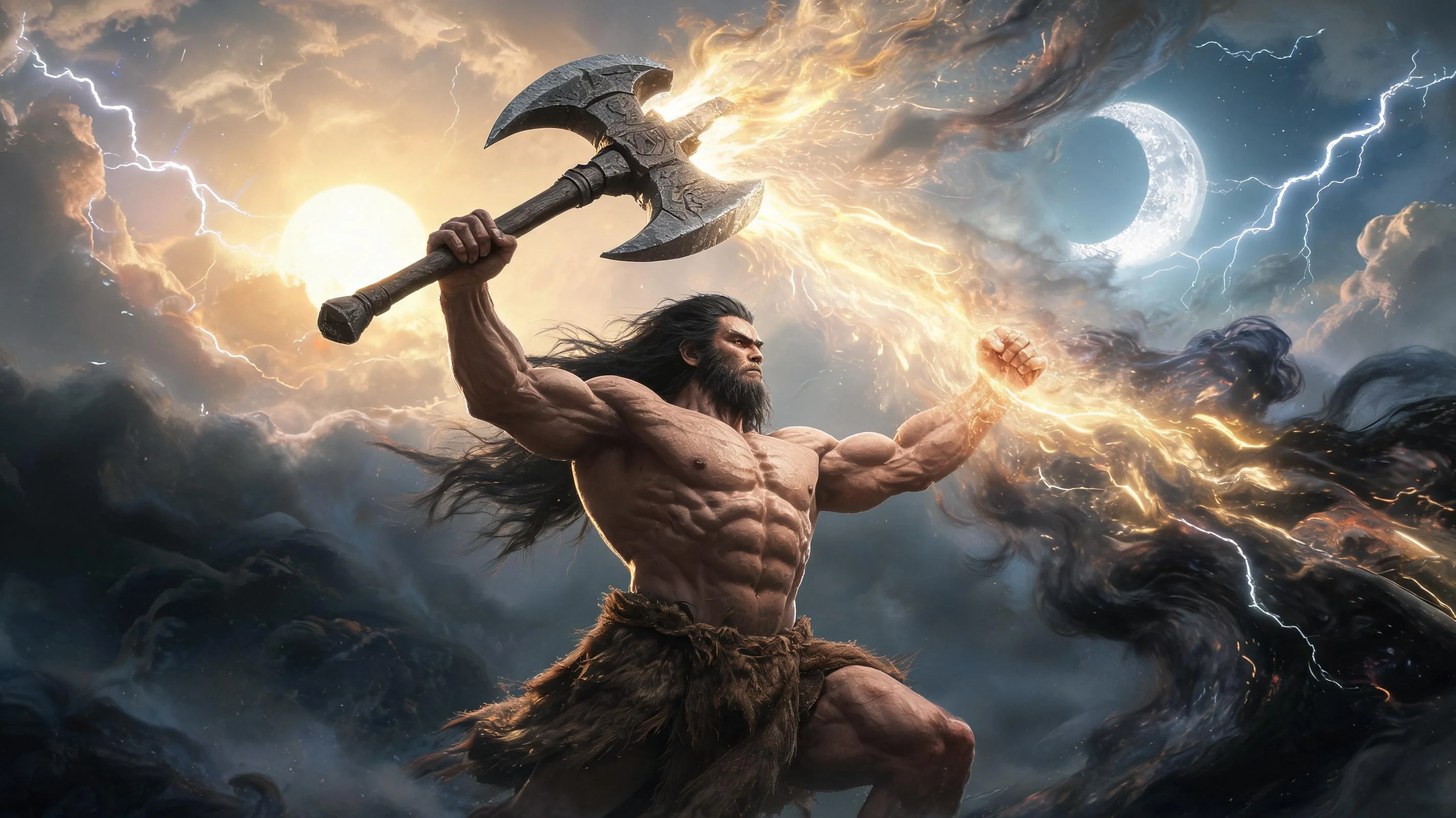 Warding Off Evil
 Children & Marriage
 Safety & Blessing
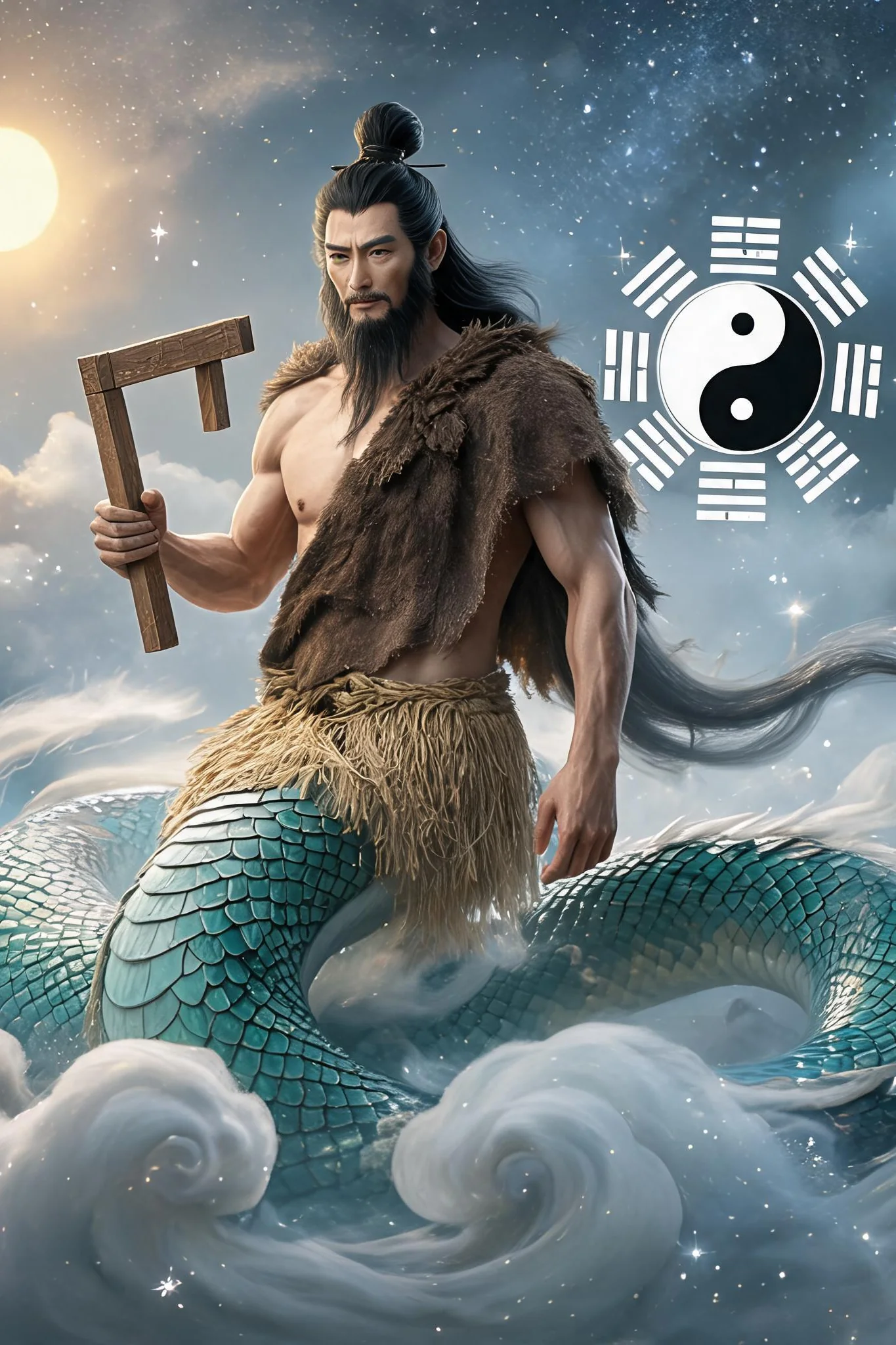 Children & Marriage
 Health & Averting Calamity
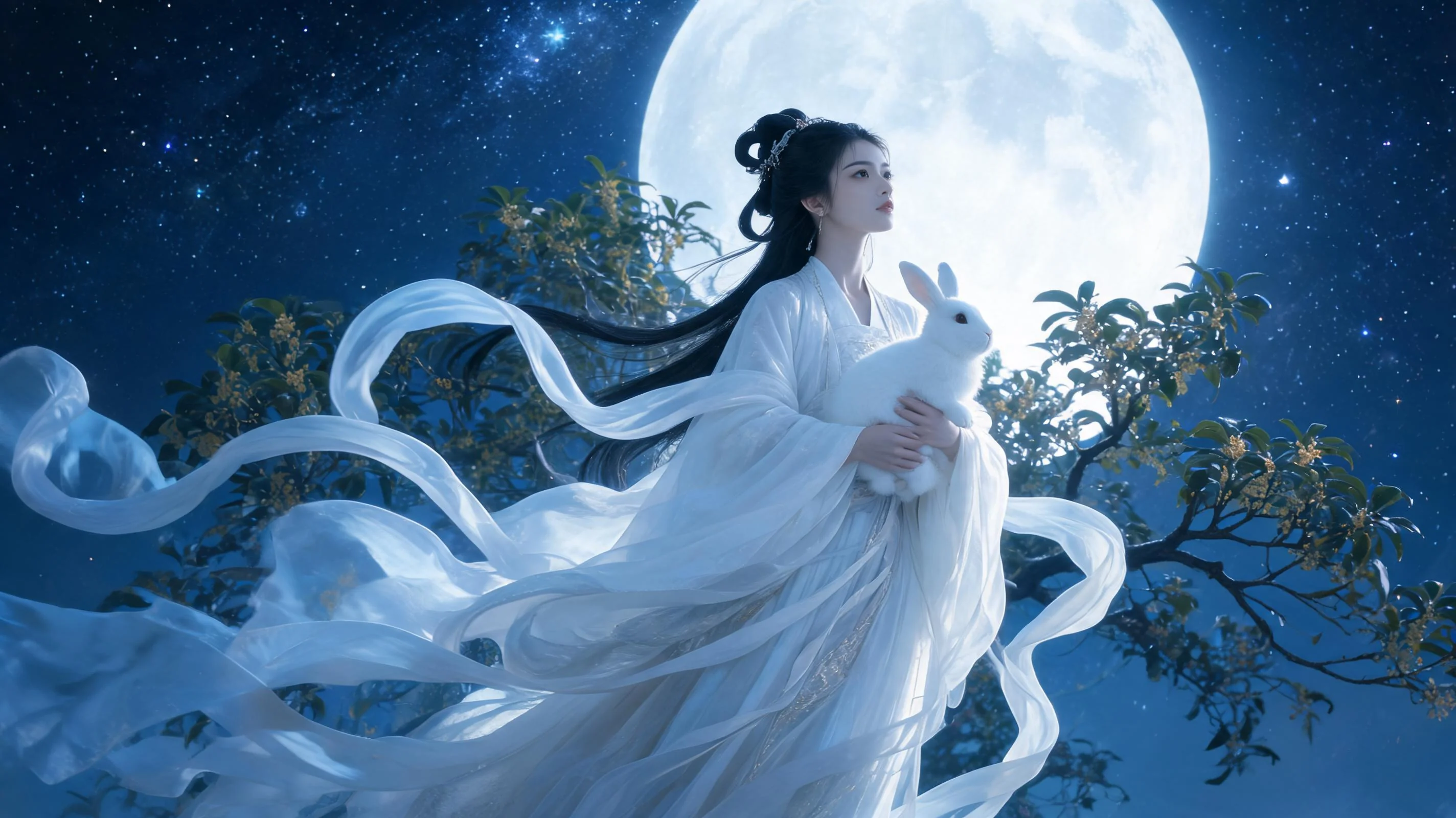 Children & Marriage
 Safety & Blessing
 Safety & Blessing