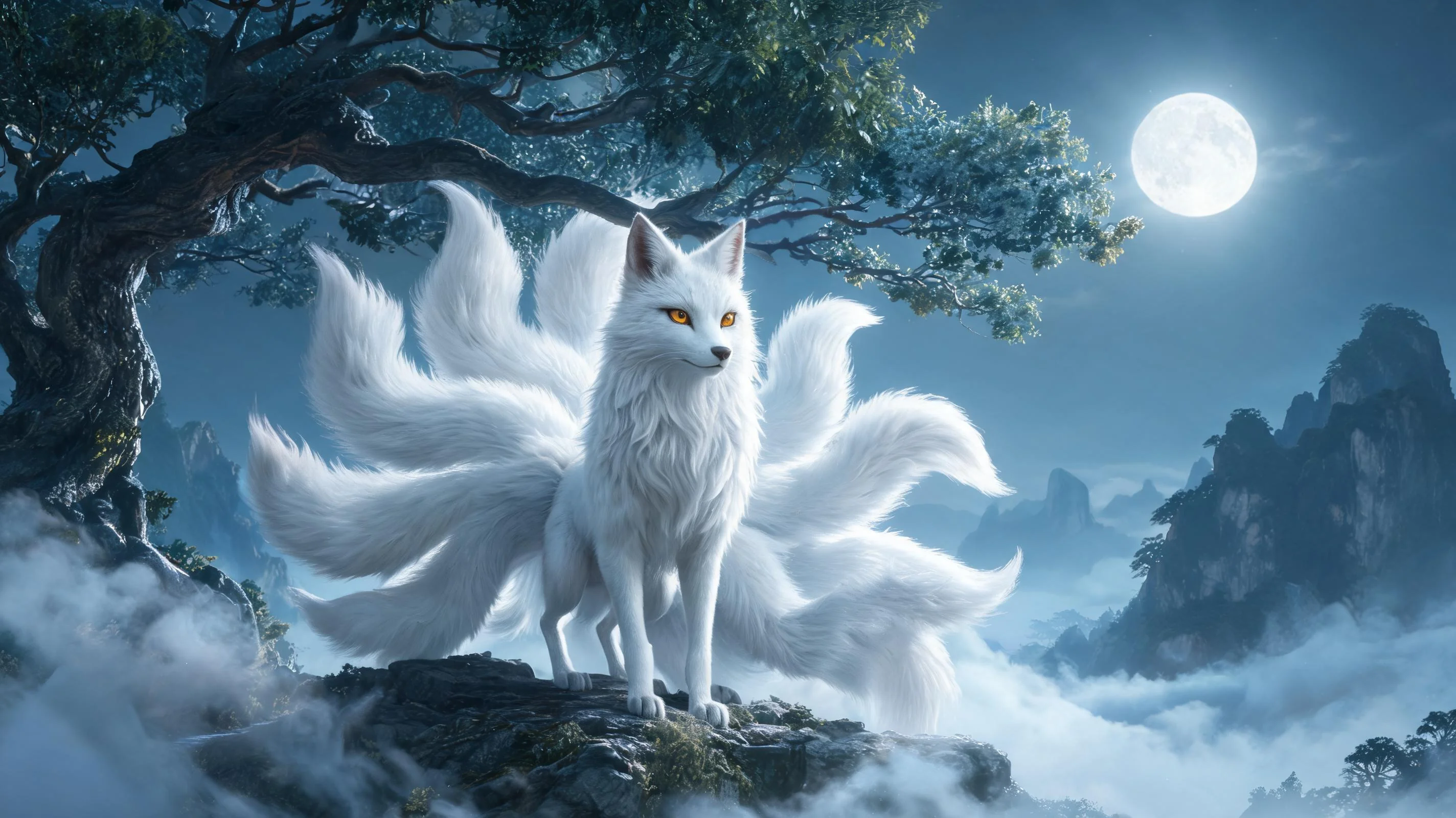
Nine-Tailed Fox
九尾狐 · 九尾狐
Auspicious Beast of Qingqiu and Tushan
Divine Office
- Foretelling imperial auspiciousness
- Presiding over marriage and marital matching
- Symbolising abundant progeny and flourishing descendants
- Guarding the sacred lands of Qingqiu and Tushan
Origin & Legend
The Classic of Mountains and Seas: Southern Mountains Classic records that on Qingqiu Mountain dwells a beast resembling a fox but possessing nine tails; its cry resembles that of an infant, and those who consume its flesh are protected from sorcery and poison. The Annals of Wu and Yue recounts that when Yu the Great reached the age of thirty without marrying, he journeyed to Tushan and there beheld a white Nine-Tailed Fox—interpreting it as an omen heralding a sage ruler. A local song from Tushan declared: 'Gently swaying, the white fox—nine tails luxuriant and grand.' Thereupon Yu married Nüjiao, daughter of the Tushan clan, who bore him his son Qi. In antiquity, the Nine-Tailed Fox was revered as an auspicious omen symbolising prolific posterity and universal peace; Han-dynasty pictorial stones depict it standing alongside the jade rabbit and toad in attendance upon the Queen Mother of the West—only later did it gradually acquire associations with bewitchment and supernatural strangeness.
 Warding Off Evil
 Children & Marriage
 Safety & Blessing
 Children & Marriage
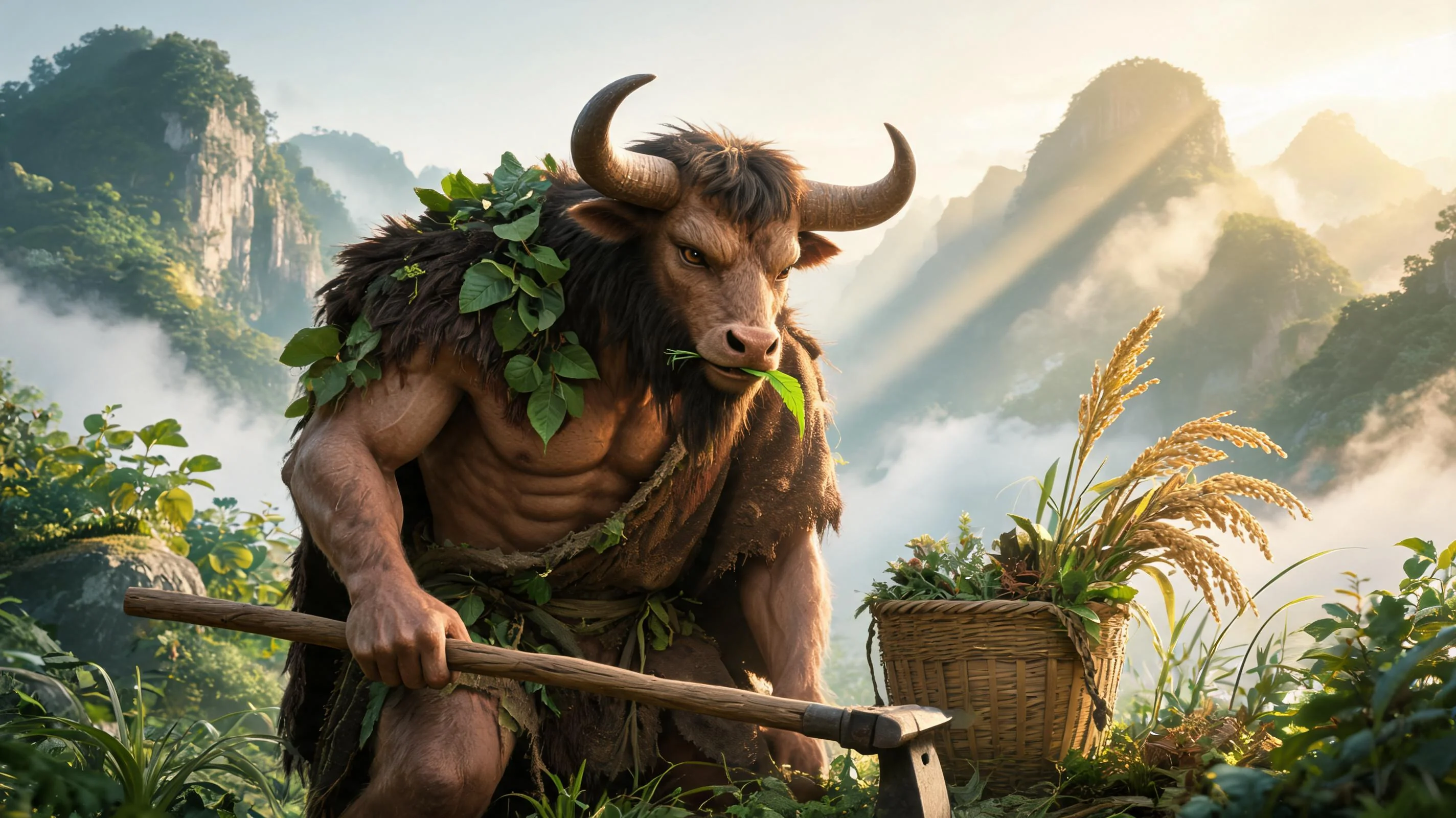 Health & Averting Calamity
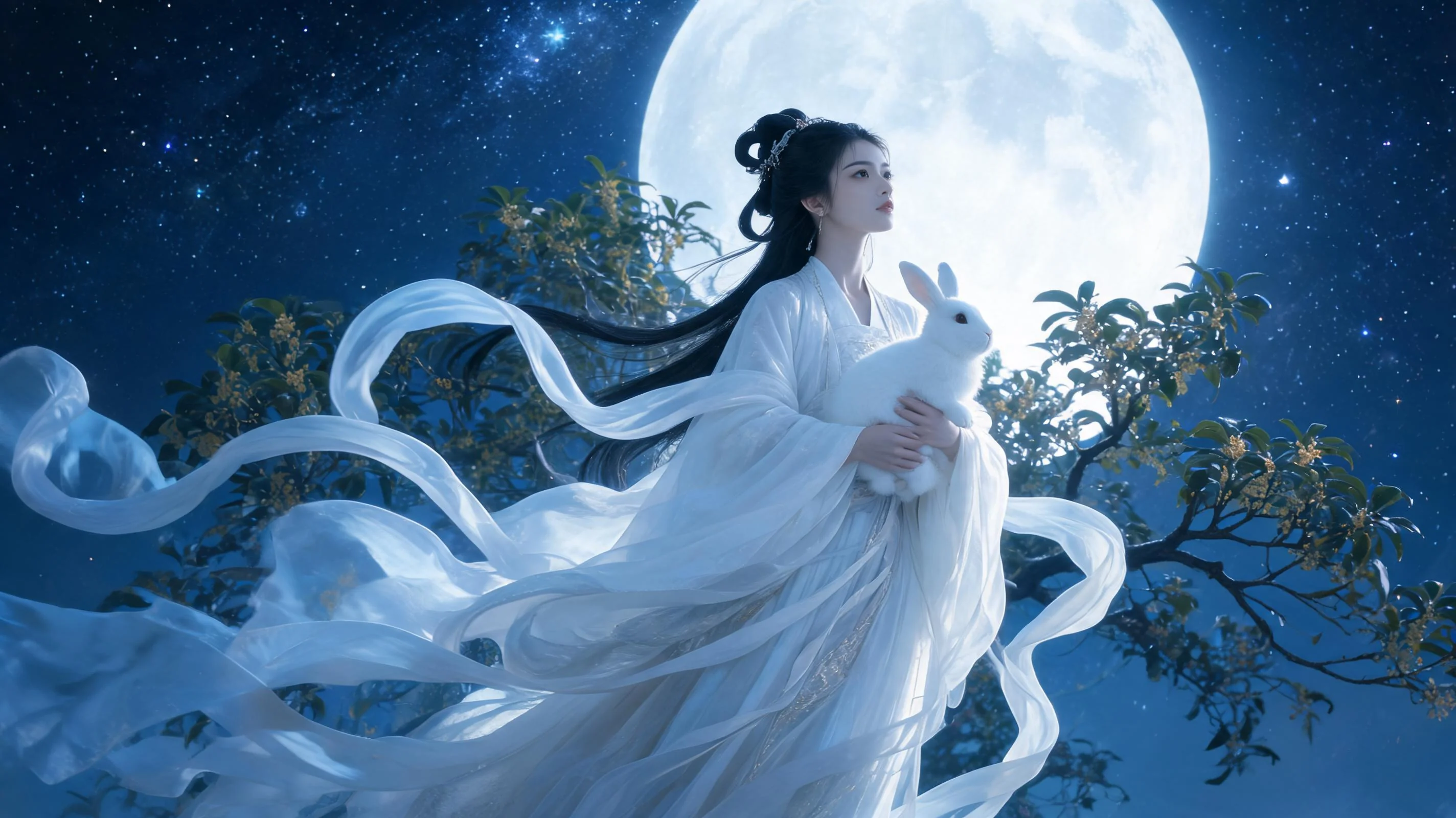 Children & Marriage
 Safety & Blessing
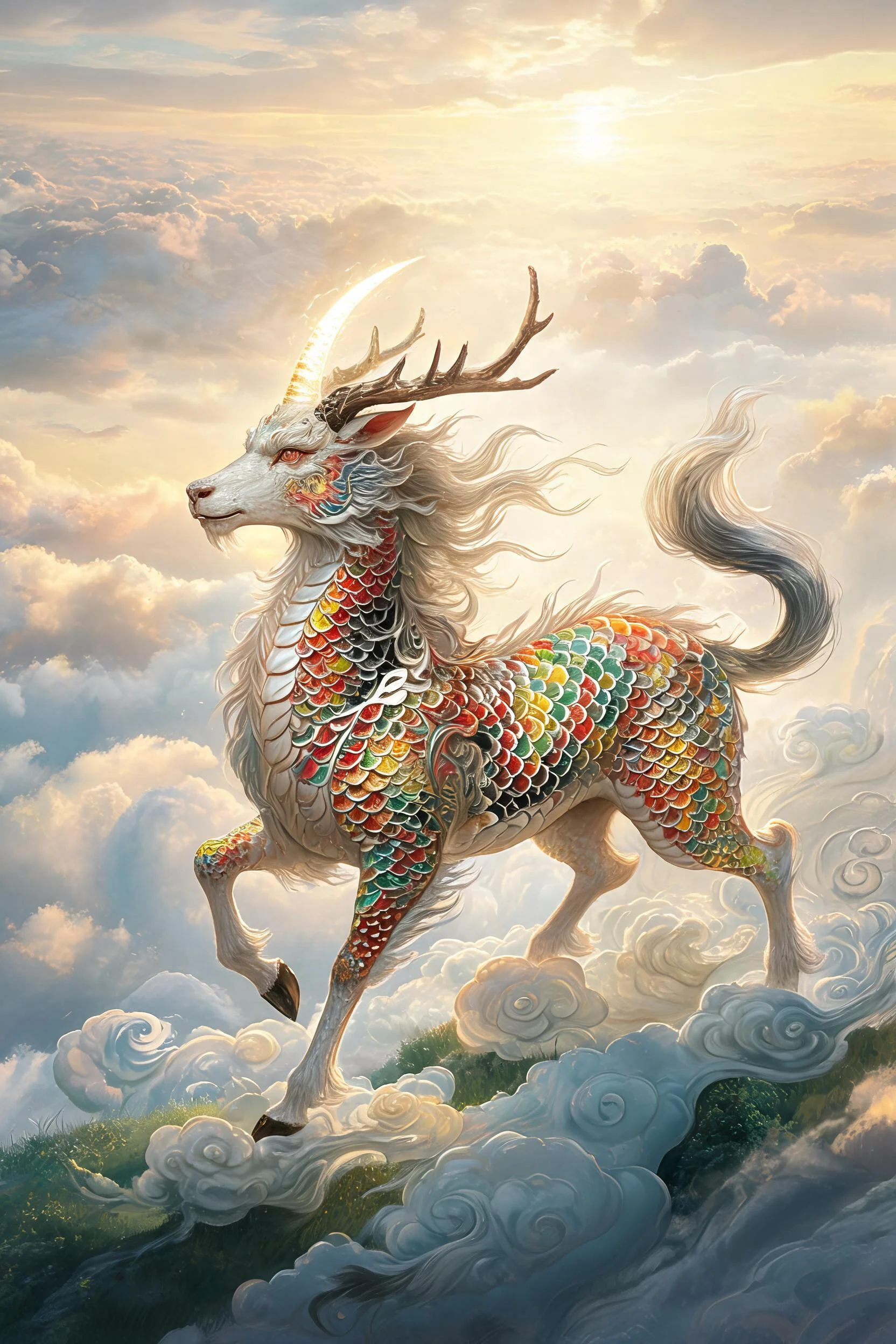 Safety & Blessing