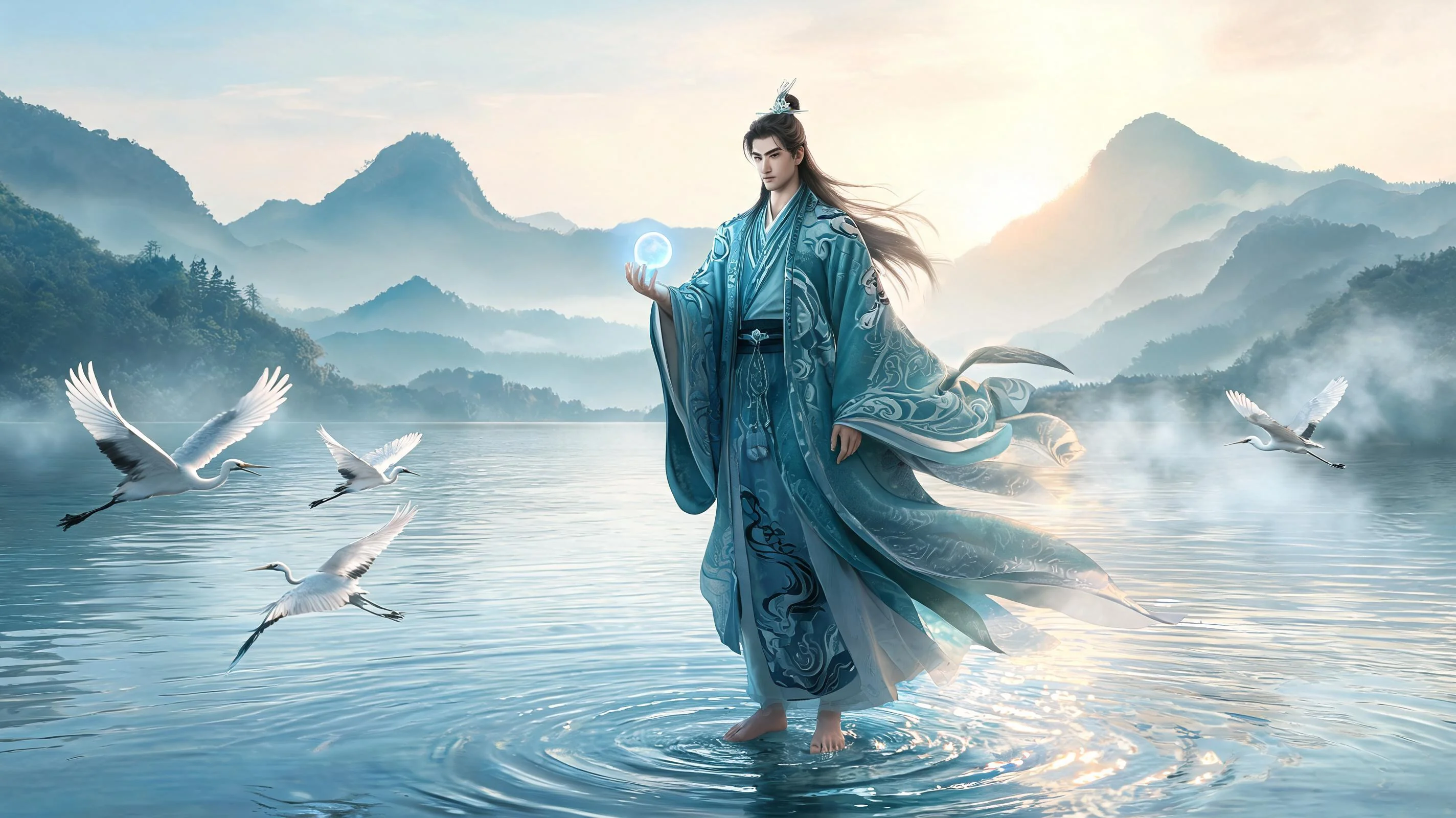
God of the Huai River
淮渎之神 · 淮瀆之神
Changyuan Wang of Huai Du (King of the Long-Source, Deity of the Huai River)
Divine Office
- Governance of the Huai River’s hydrological affairs
- Protection of farmland irrigation in the Huai River basin
- Subduing floods and safeguarding levees and embankments
- Receiving state-sponsored sacrifices under successive imperial ritual codes
Origin & Legend
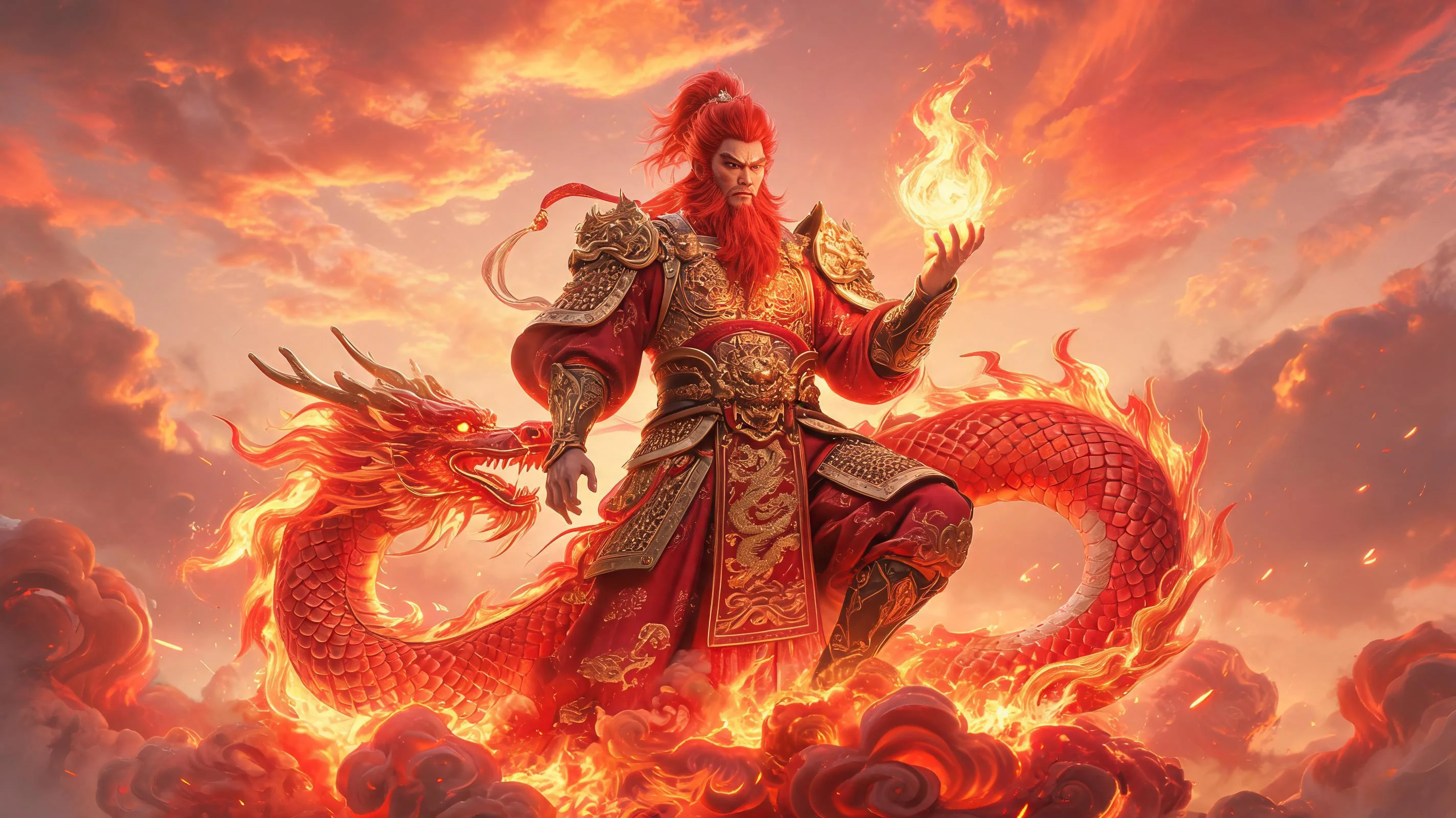
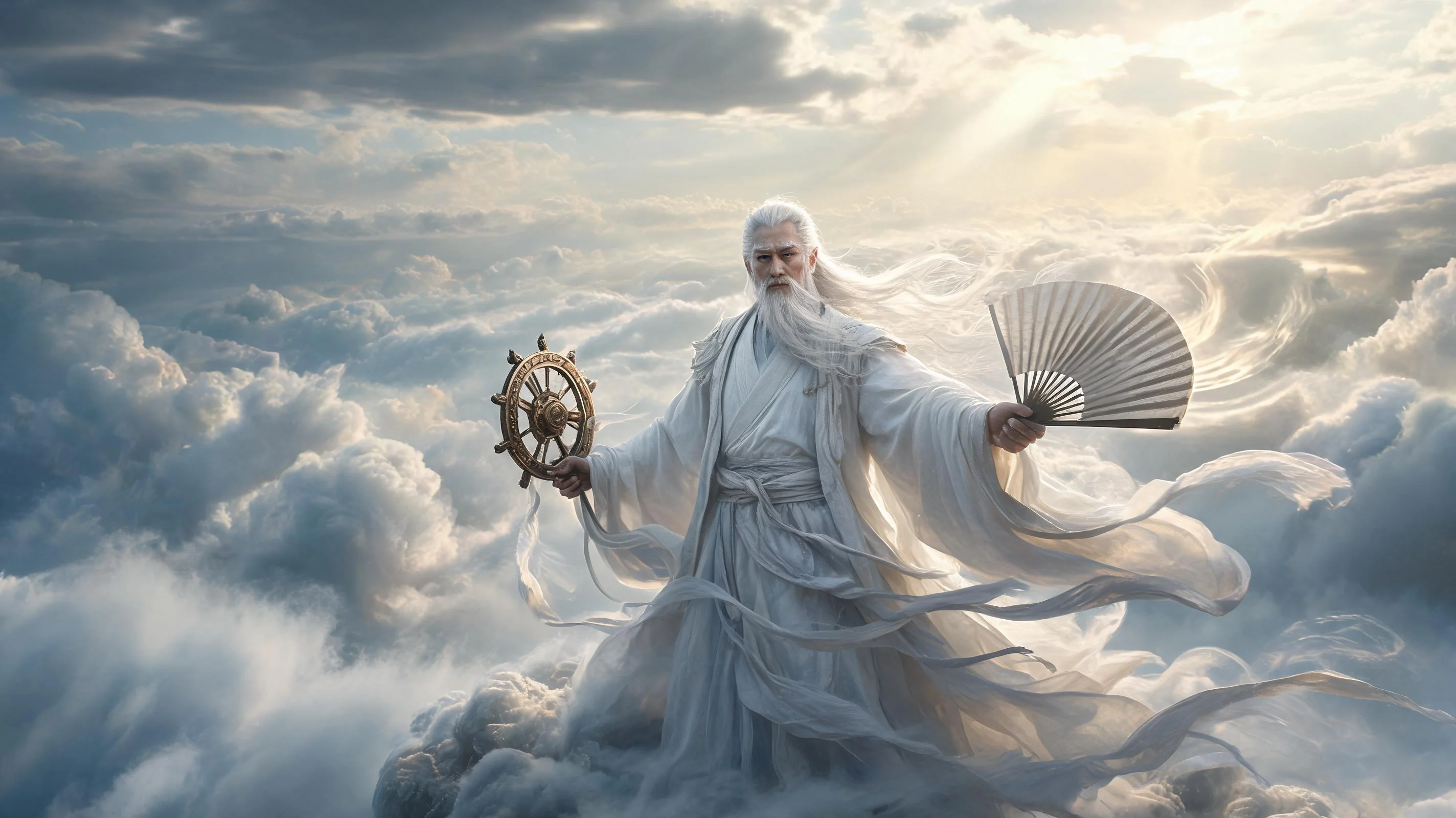
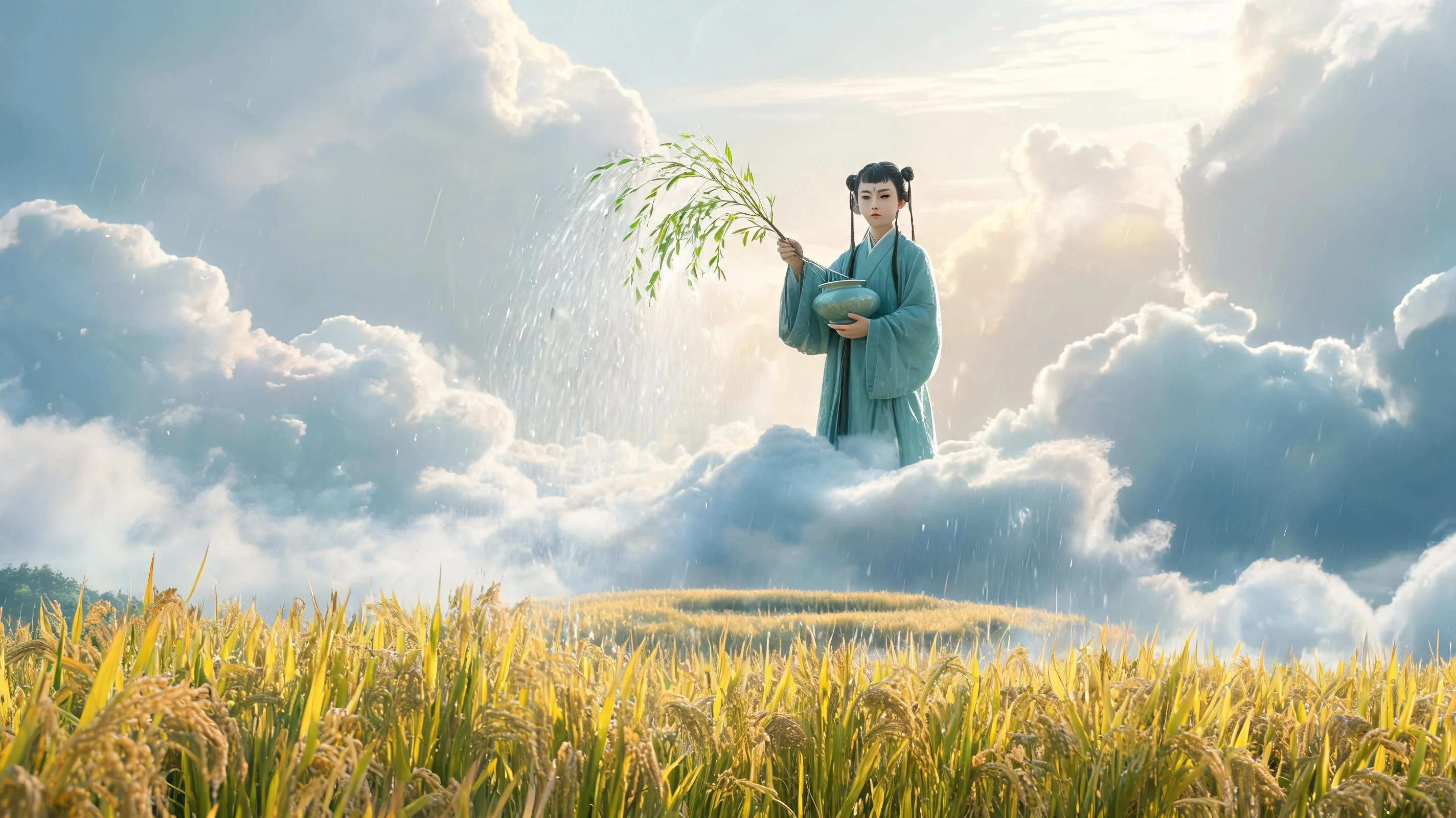
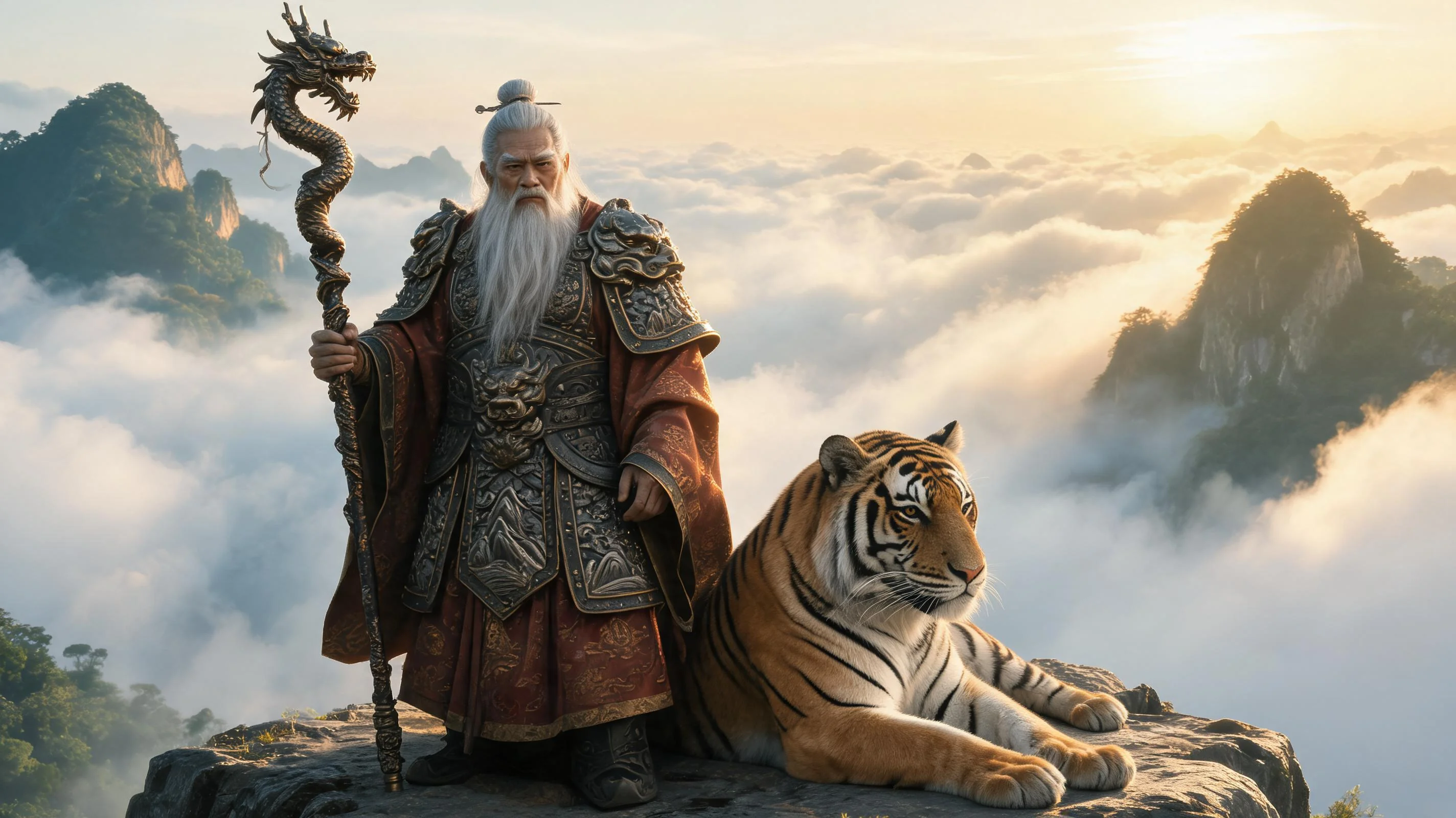
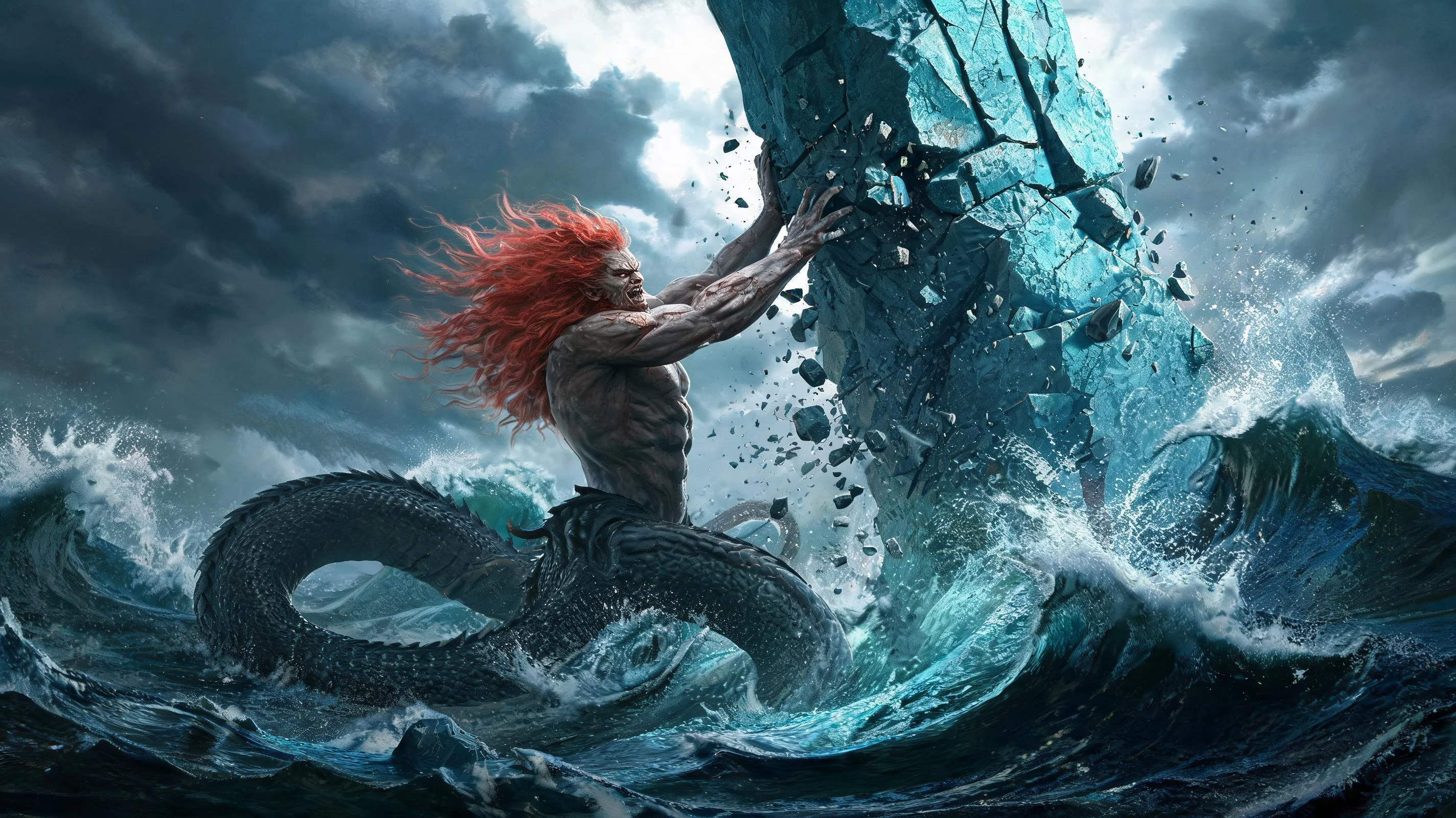
Huai Du Zhi Shen is the officially venerated divine sovereign of the Huai River enshrined in imperial state rituals. The Huai River originates in Tongbai Mountain in Henan Province and flows eastward to the sea; it was revered since antiquity as one of the Four Great Rivers (Sì Dú), alongside the Yangtze, Yellow, and Ji Rivers—the four major rivers each rising from mountain sources and emptying into the sea, as recorded in the Erya. Successive dynasties erected the Huai Du Temple at the foot of Tongbai Mountain and conducted seasonal sacrifices there: during the Tang dynasty, the deity was enfeoffed as Duke Changyuan (Duke of the Long Source), and in the Song dynasty elevated to King Changyuan Wang. The Huai River basin boasts a dense network of waterways and abundant agricultural yields; historically, the salt revenues of the Two Huai regions (North and South Huai) ranked foremost nationwide, and devotion to Huai Du permeated local society. Legend holds that when Yu the Great tamed the floods, he subdued Wuzhiqi—the unruly water spirit of the Huai and Huo Rivers—at Tongbai Mountain and imprisoned him beneath Turtle Mountain, after which the Huai River flowed peacefully—a myth coexisting with the official cult, one embodying folk imagination, the other institutionalized state ritual. To this day, people living along the Huai River offer annual sacrifices, praying for tranquil waters and bountiful harvests.
 Safety & Blessing
 Safety & Blessing
 Safety & Blessing
 Safety & Blessing
 Safety & Blessing
 Safety & Blessing
 Safety & Blessing
 Safety & Blessing