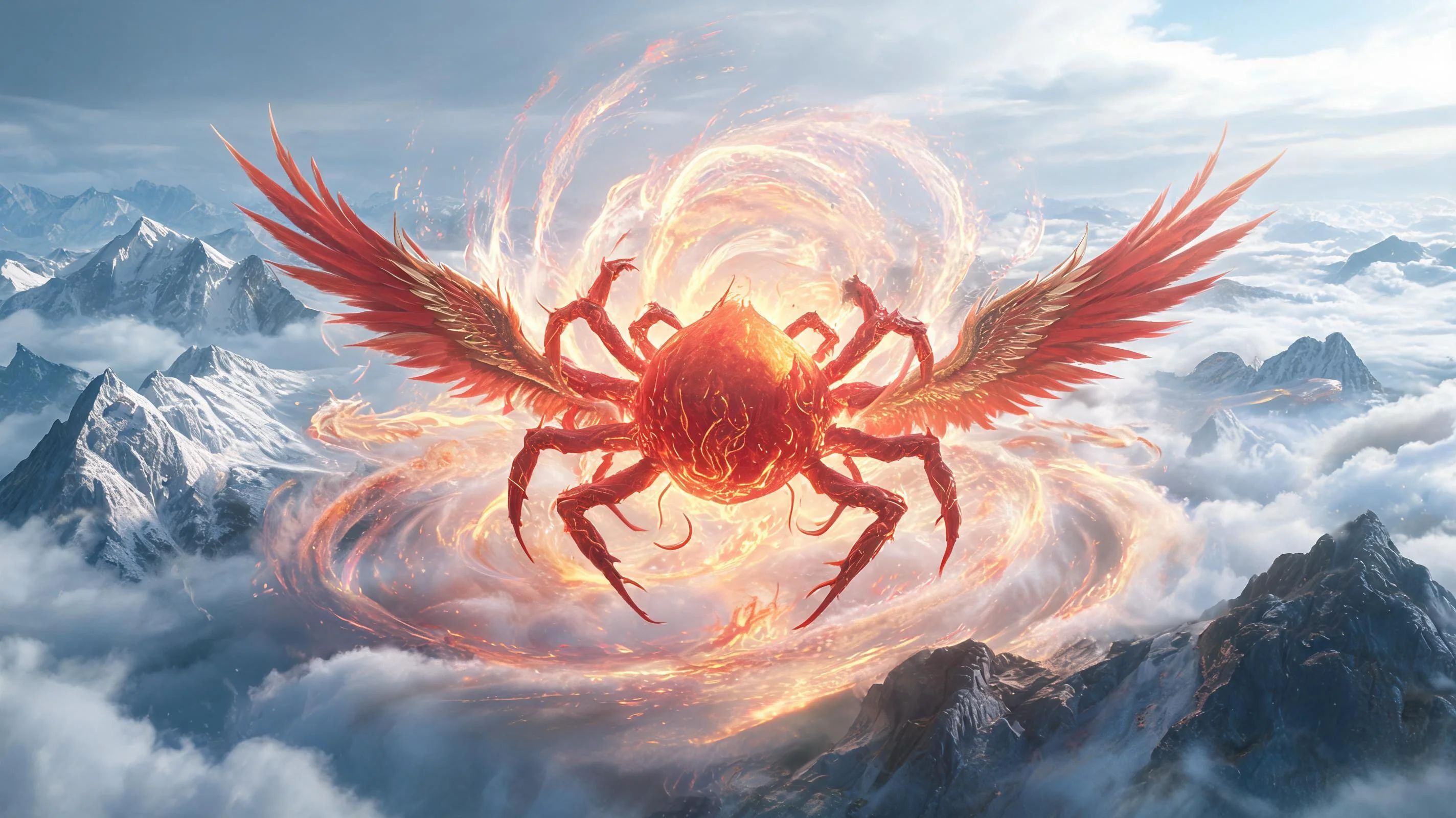
Dijiang (Hundun)
帝江 · 帝江
Deity of Mount Tian · Hundun
Divine Office
- Master of song and dance, versed in musical principles
- Embodiment of primordial chaos before the separation of Heaven and Earth
- Sovereign guardian of Mount Tian
- Personification of primordial chaotic qi
Origin & Legend
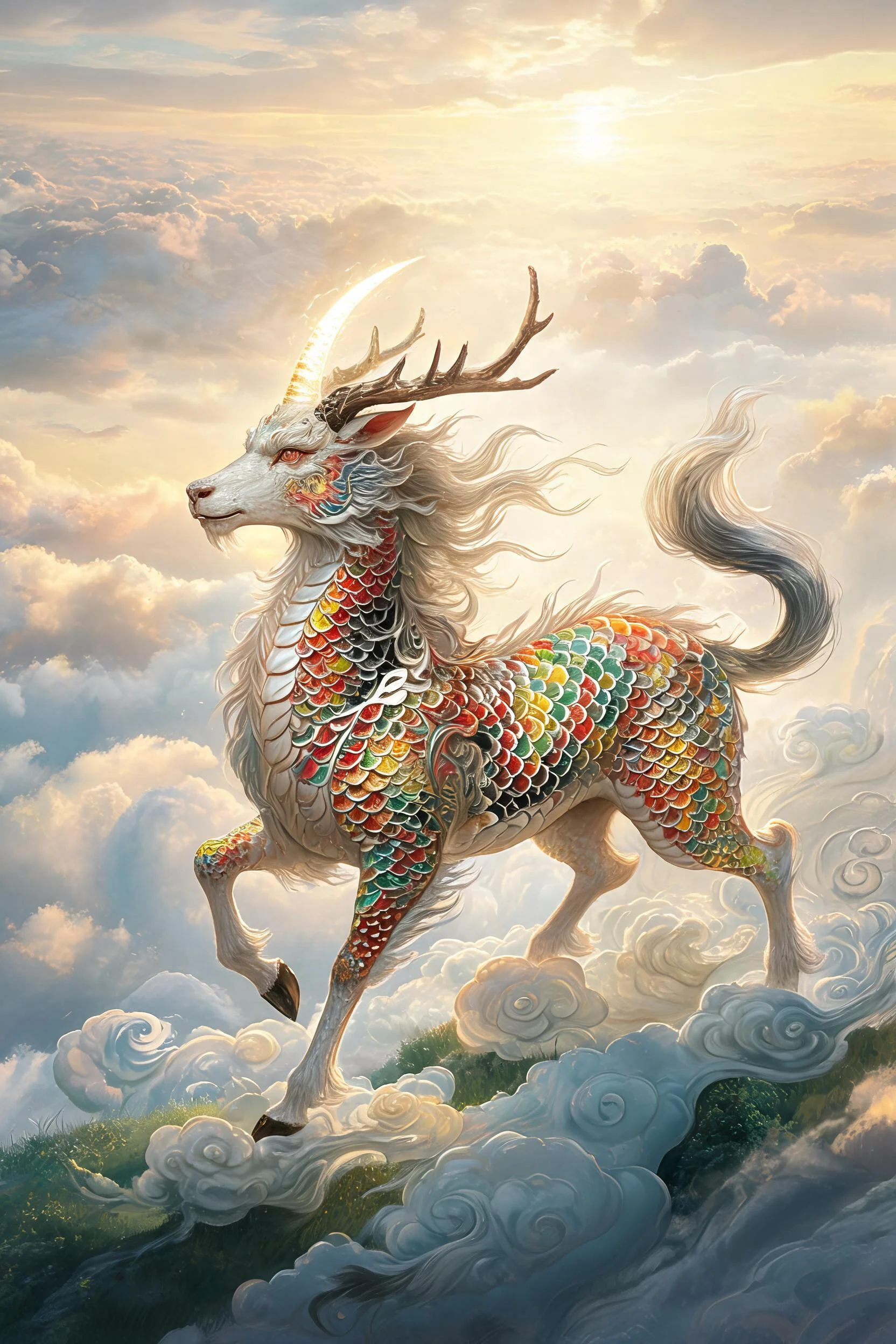
The Classic of Mountains and Seas: Western Mountains Classic records: 'On Mount Tian dwells a deity whose form resembles a yellow sack, glowing crimson like cinnabar fire, possessing six legs and four wings, utterly formless and featureless—yet gifted with knowledge of song and dance; this is Dijiang.' Dijiang is synonymous with Hundun—the primordial chaos devoid of facial features or sensory orifices—yet inherently proficient in music, song, and dance, symbolising the undifferentiated, vital qi that pervaded the cosmos before Heaven and Earth separated. In Zhuangzi’s 'Responding to Emperor' parable, the Southern Emperor Shu and Northern Emperor Hu, seeking to repay Hundun’s kindness, daily bore a new orifice into his body; on the seventh day, Hundun died—allegorising how artificial human intervention destroys natural integrity. Subsequently, Dijiang became emblematic of pristine simplicity, unadorned authenticity, and the sublime, self-arising harmony of the Dao.
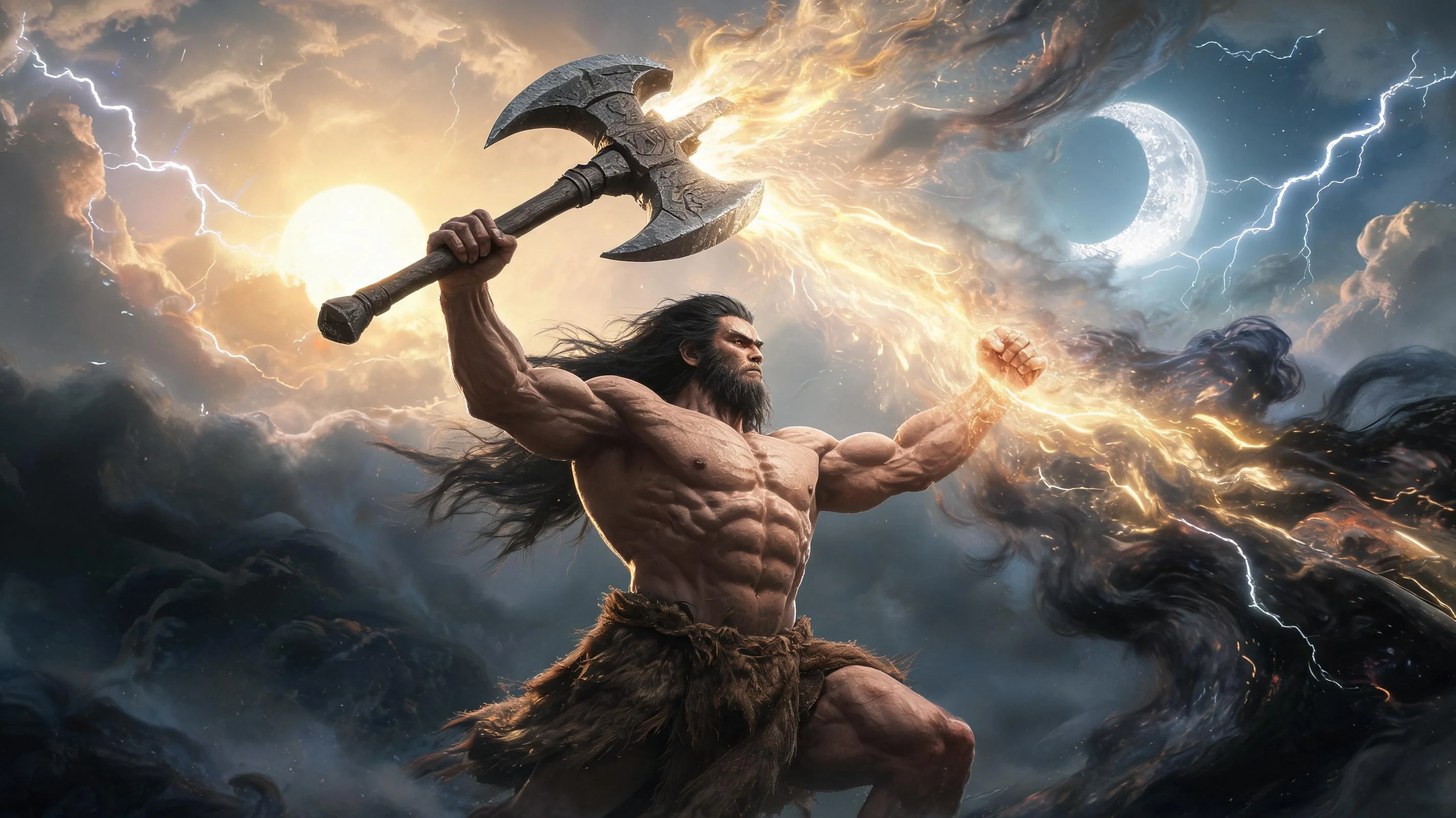 Warding Off Evil
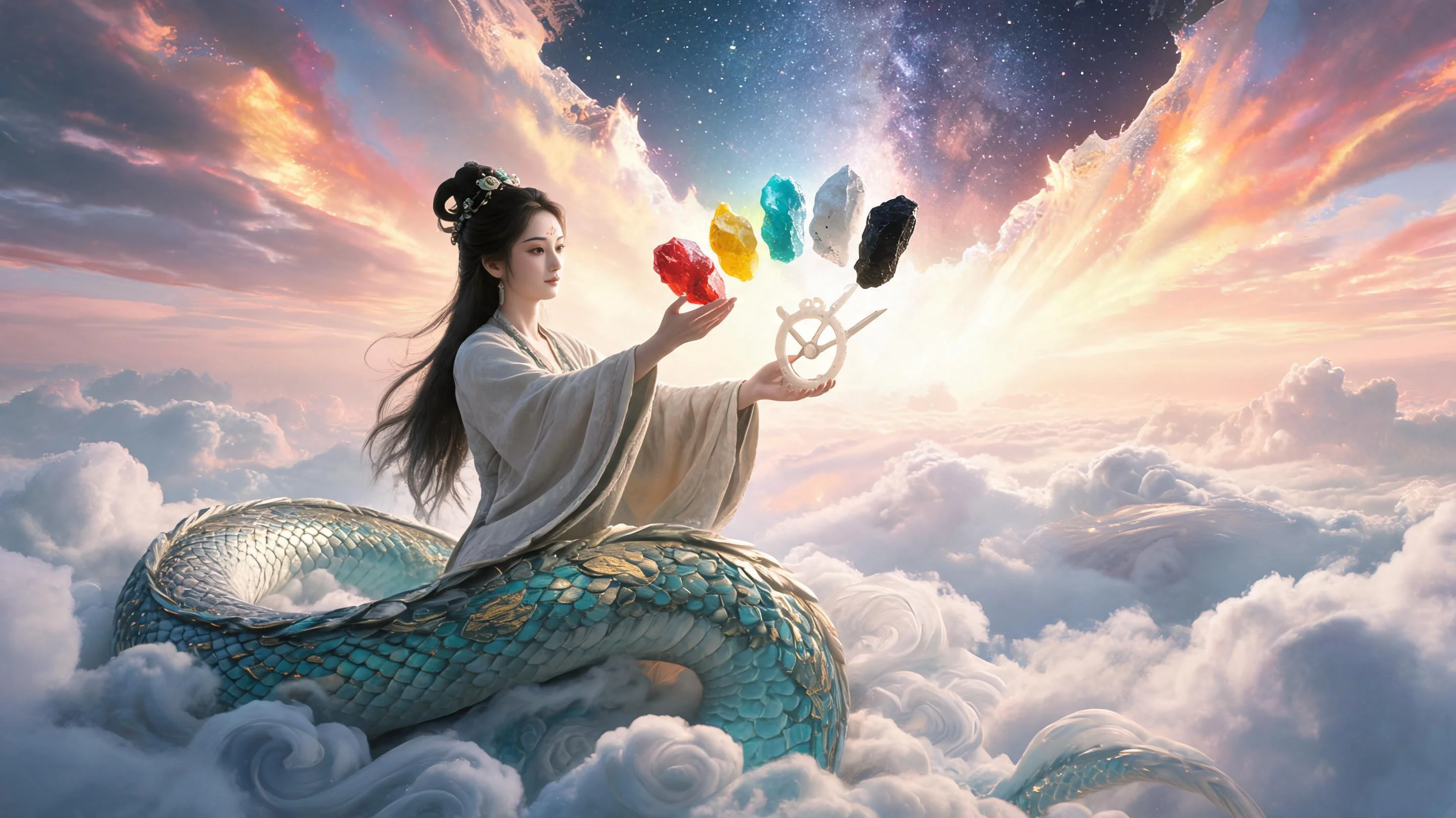 Children & Marriage
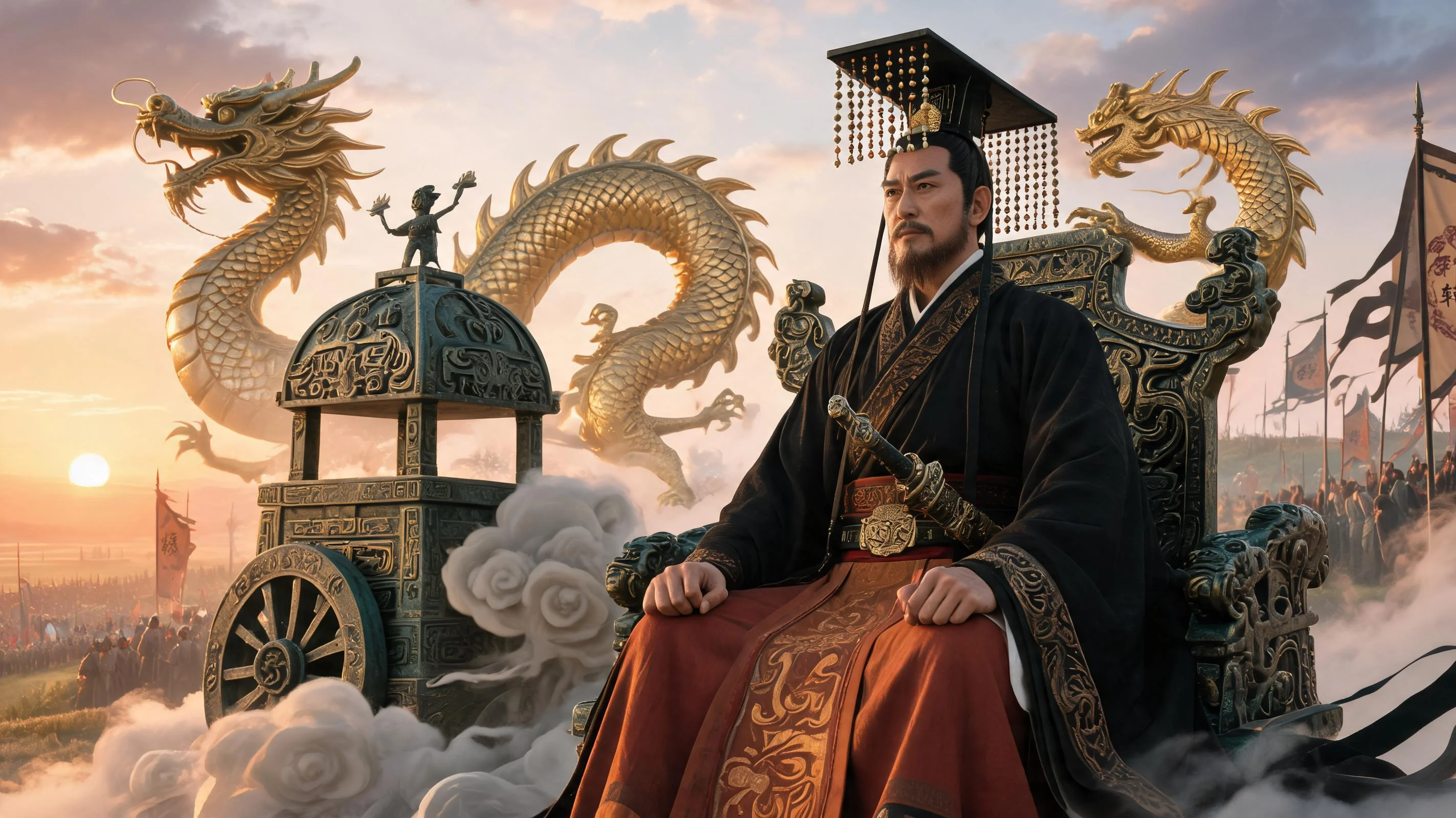 Safety & Blessing
 Children & Marriage
 Health & Averting Calamity
 Children & Marriage
 Safety & Blessing
 Safety & Blessing