
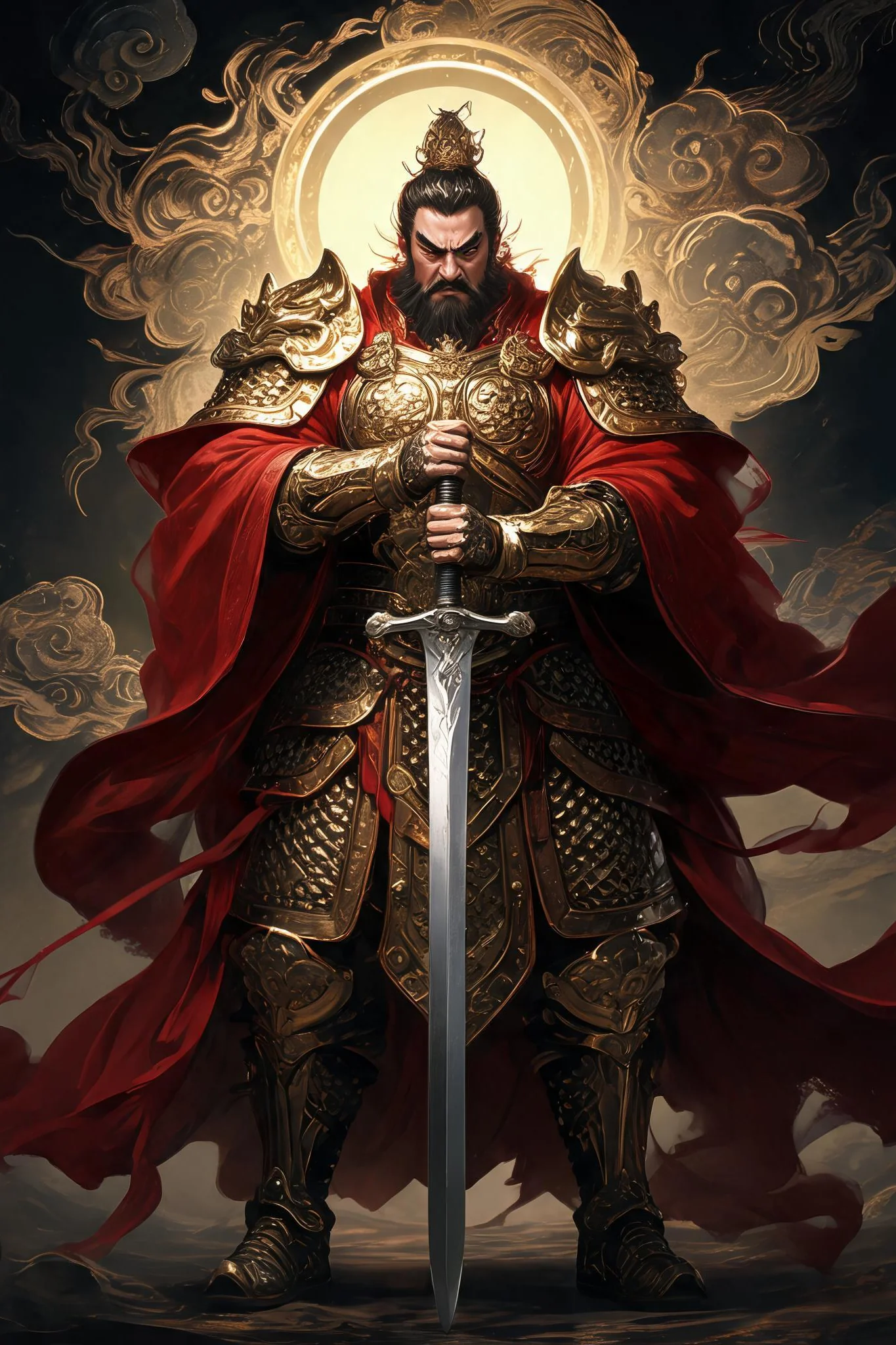
AI-generated likeness
Stars & Tai Sui
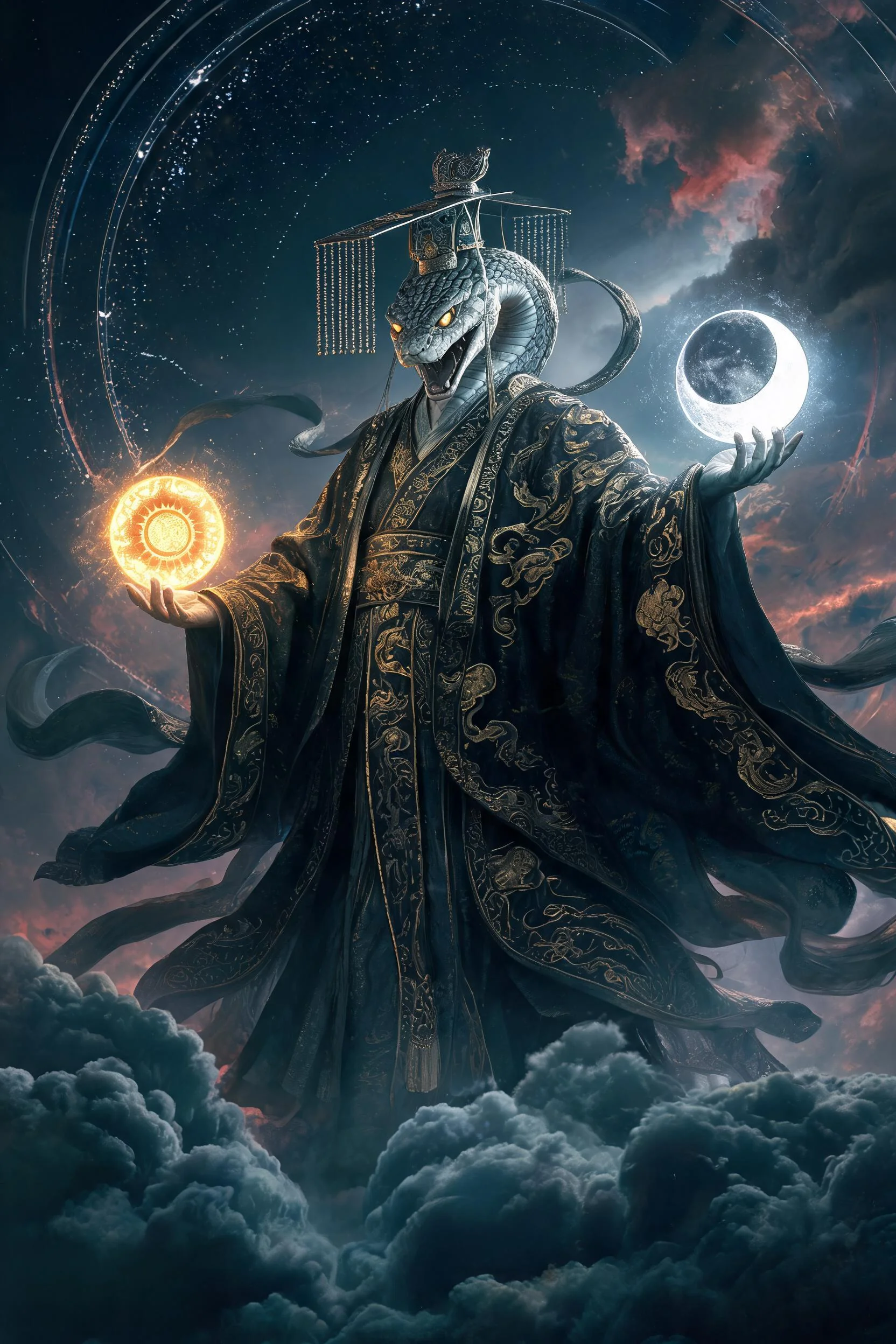
Ketu Star Lord
计都星君 · 計都星君
Jiaozhong Shenwei Xing Jidu Xingjun (Star Lord Ketu, the Deity of the Celestial Node and the Tail Star)
Divine Office
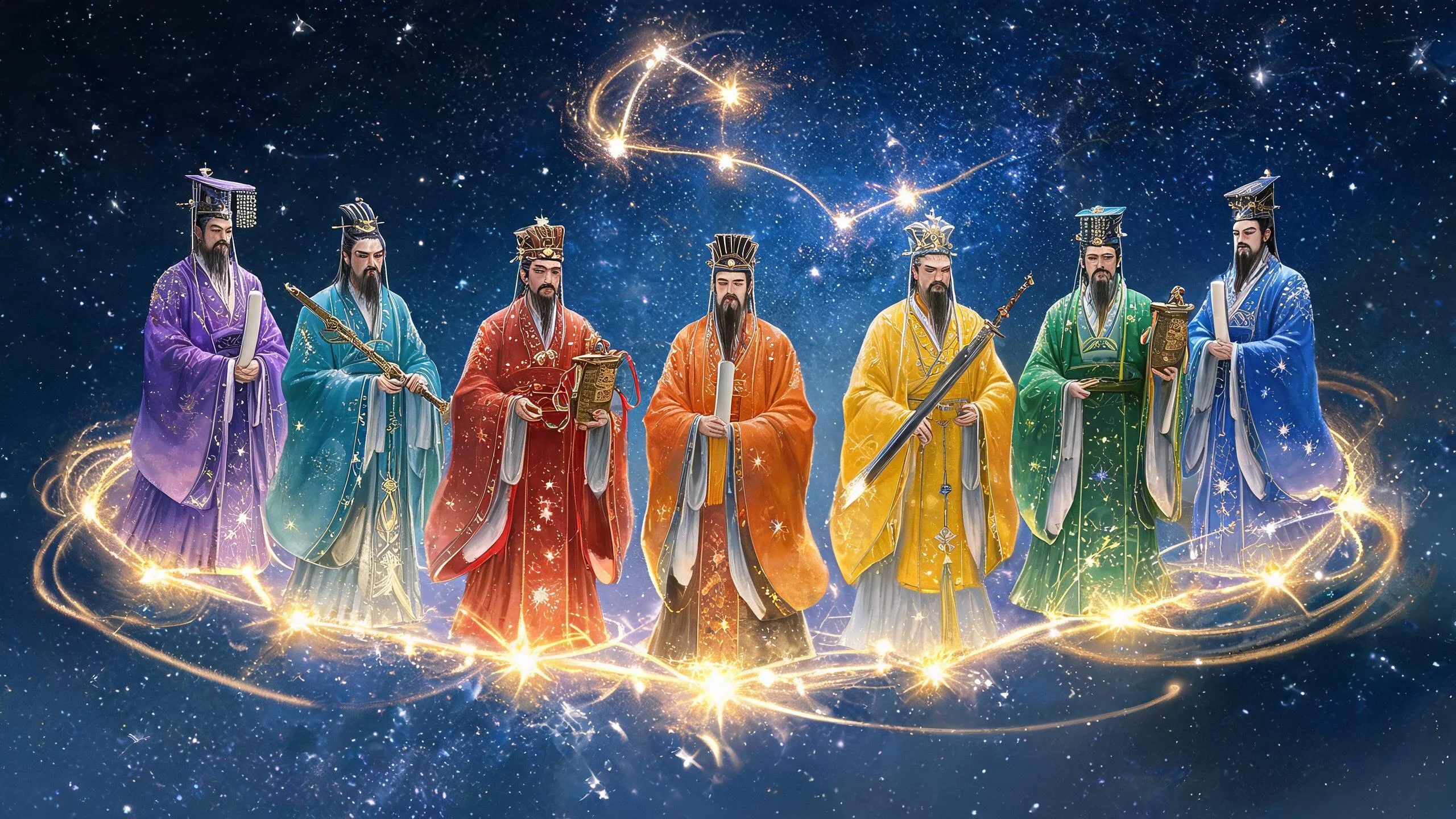
- One of the Nine Luminaries and Four Hidden Stars, governing calamities, misfortune, and the ominous energies of comets and bolides
- Overseeing the ritual resolution of adverse influences caused by Ketu’s annual transits and conjunctions
- Protecting life and bodily well-being from disasters and illnesses
- Counterbalancing Rahu Xingjun to jointly govern celestial transformations
Origin & Legend
Jidu Xingjun and Luohou Xingjun (Rahu Star Lord) are paired deities originating from Indian astronomical and calendrical traditions as shadowy or 'invisible' celestial nodes; they entered Chinese stellar worship through the syncretic exchange between Buddhism and Daoism and were venerated as Jiaozhong Xingjun (the Star Lord of the Celestial Node). Ancient Chinese observers interpreted the sudden appearance of comets and bolides in the sky as manifestations of Jidu’s malevolent energy, associating them with warfare, epidemics, and natural disasters—prompting both fear and ritual veneration. Daoist liturgies include the Jiuyao Jiao (Nine Luminaries Rite) and Sishu Ke (Four Hidden Stars Ritual), wherein devotees perform repentance ceremonies before Jidu Xingjun to avert annual misfortunes and pray for household peace and safety. The cult of Jidu Xingjun reflects the premodern Chinese reverence for anomalous celestial phenomena and embodies a longstanding psychological and ritual tradition: transforming ill omens into auspicious outcomes through disciplined liturgical practice. Astrologers calculating annual stellar influences—including Jidu’s transit through one’s natal chart—consistently urge moral vigilance, self-cultivation, and meritorious deeds to expiate and neutralize its adverse effects.
 Health & Averting Calamity
 Health & Averting Calamity
 Safety & Blessing
 Children & Marriage
 Health & Averting Calamity
 Health & Averting Calamity
 Health & Averting Calamity
 Health & Averting Calamity