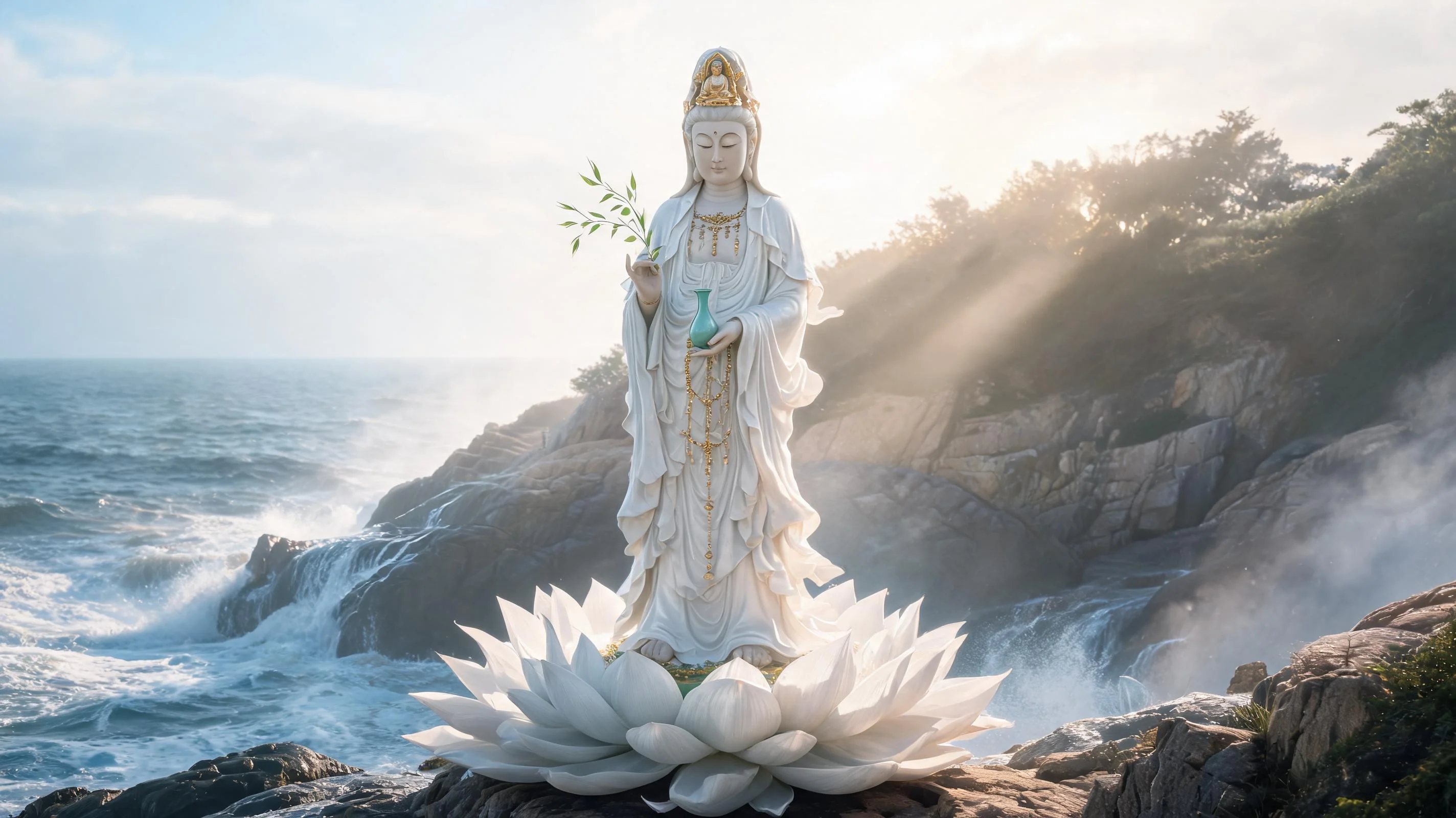
Guanyin Bodhisattva
观世音菩萨 · 觀世音菩薩
The Greatly Compassionate and Greatly Merciful One
Divine Office
- Responding instantly to cries for help and rescuing all beings from worldly perils
- Bestowing children and safeguarding women’s safe childbirth
- Fulfilling virtuous karmic connections and marital unions, and protecting familial harmony
- Averting calamities caused by water, fire, and weapons, and manifesting universally in thirty-three different forms
Origin & Legend
Guanyin Bodhisattva originated in Indian Buddhism, where the Sanskrit name Avalokiteśvara means 'the one who perceives the sounds of the world and thereby liberates sentient beings.' The cult of Guanyin entered China during the Eastern Jin and Western Jin dynasties and grew steadily in popularity; during the Tang dynasty, the name was shortened from 'Guanshiyin' to 'Guanyin' to avoid the personal name taboo of Emperor Taizong Li Shimin. Mount Putuo in Zhejiang Province has served as Guanyin’s principal sacred site since the Five Dynasties period, sharing this distinction with the Potala Palace in Tibet as a locus of Guanyin’s earthly manifestations. A popular Chinese legend tells of Princess Miaoshan, who cultivated enlightenment and attained Buddhahood—this narrative fully Sinicized Guanyin. Because Guanyin answers devotees’ prayers for offspring, blessings, and deliverance from suffering, she became the most widely worshipped bodhisattva in China: 'Every household enshrines Guanyin; every home chants Amitābha,' a saying that remains true to this day.
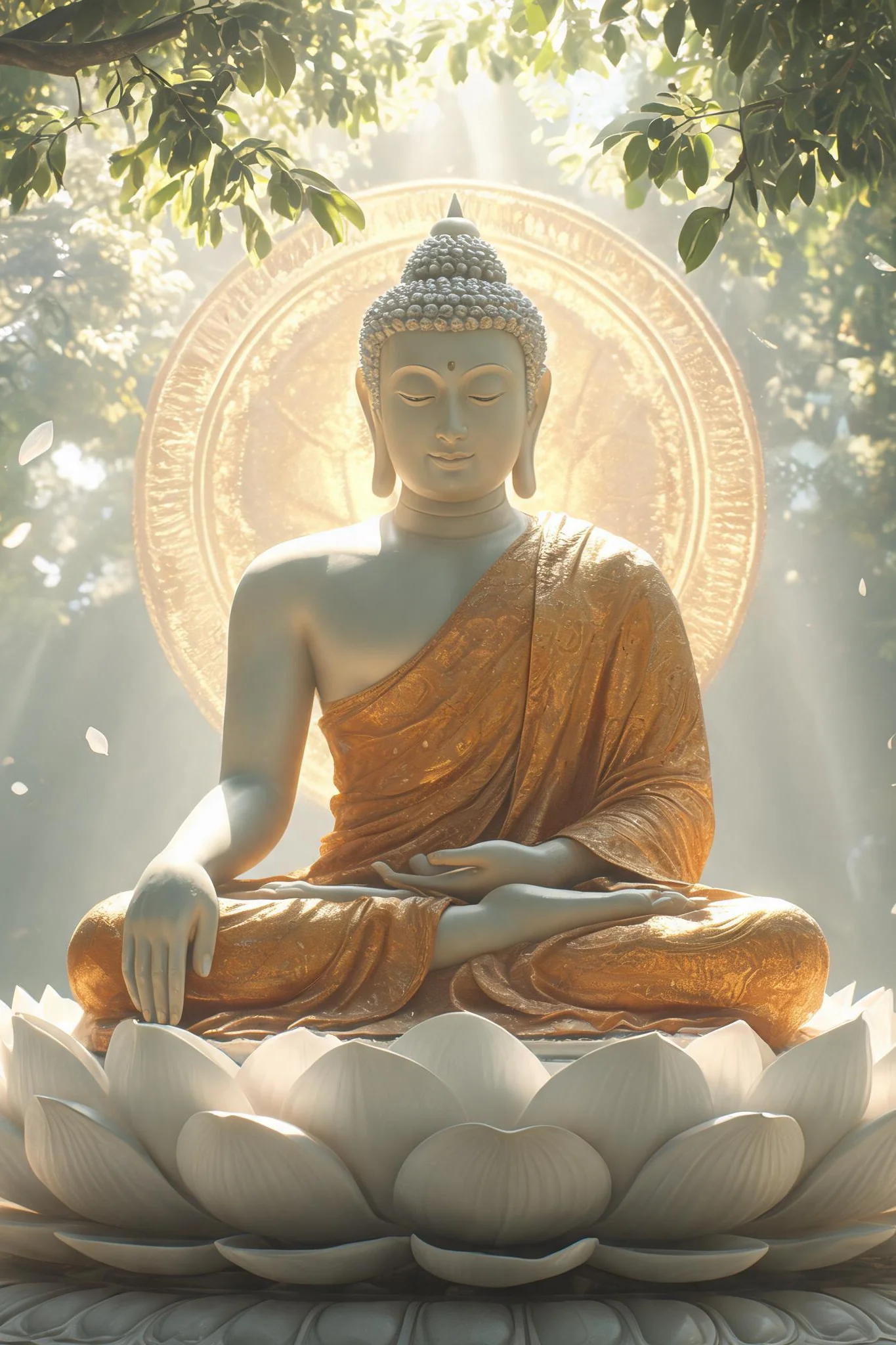 Safety & Blessing
 Safety & Blessing
 Health & Averting Calamity
 Studies & Exams
 Safety & Blessing
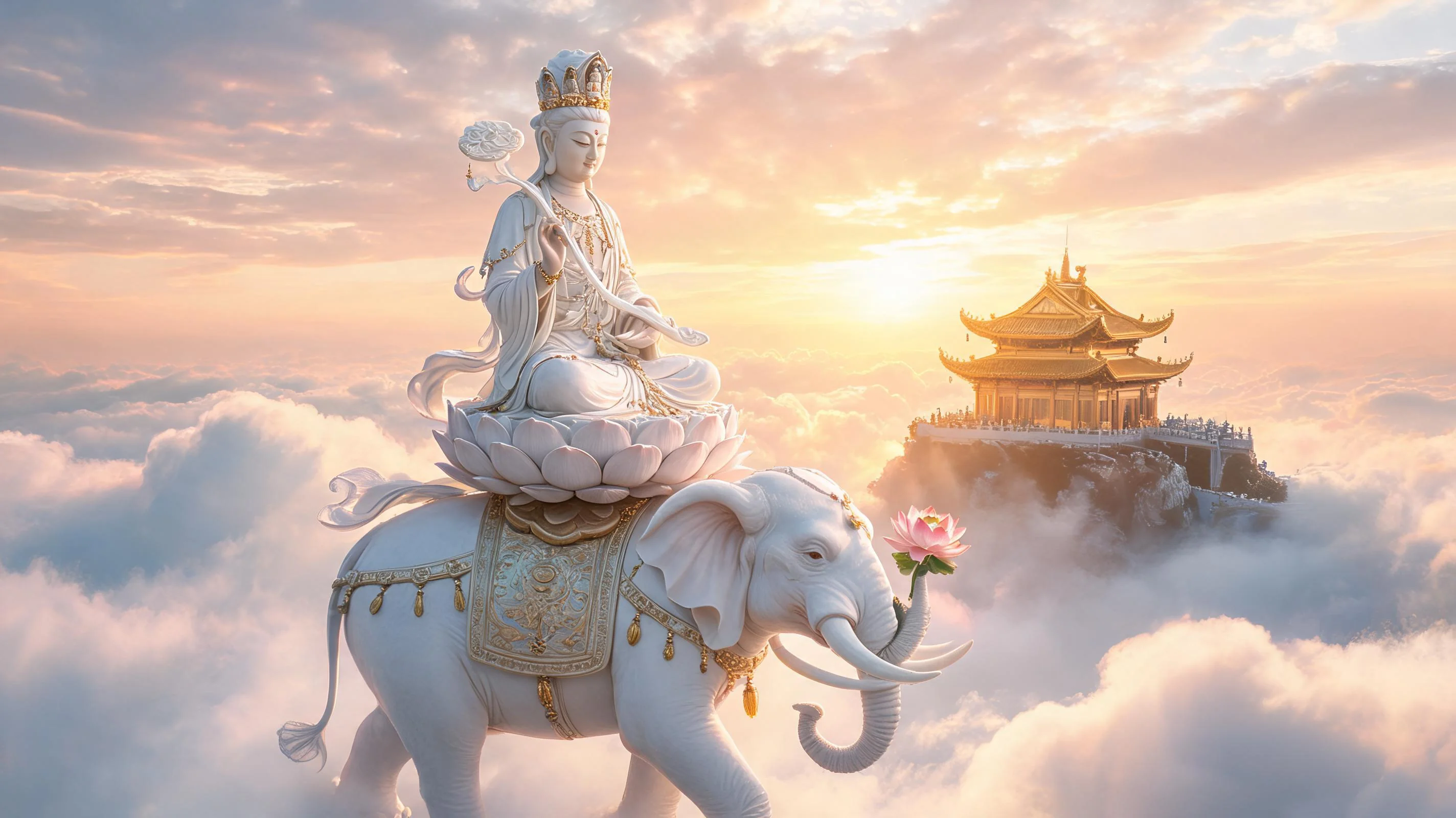 Safety & Blessing
 Health & Averting Calamity
 Safety & Blessing