
Ksitigarbha Bodhisattva
地藏王菩萨 · 地藏王菩薩
Great Vow Ksitigarbha Bodhisattva
Divine Office
- I vow not to attain Buddhahood until the hells are emptied
- Rescuing departed souls and guiding ancestors from suffering to bliss
- Fulfilling sentient beings’ wholesome aspirations and bearing their sufferings in their stead
- Prostrating before mountains and rivers of the earth, steadfast and unmoving as the earth itself
Origin & Legend
Ksitigarbha’s Sanskrit name, Kṣitigarbha, means ‘Earth Womb’ or ‘Earth Treasury’, signifying both unshakable endurance like the earth and deep, hidden wisdom like a secret treasury. According to the Sutra on the Fundamental Vows of Ksitigarbha Bodhisattva, in past lives he appeared as a Brahmin girl and later as Guangmu Girl, both of whom made vast vows to rescue their mothers from hellish realms—vowing never to attain Buddhahood until all hells were emptied. During the Tang Dynasty, Kim Gyo-gak, a prince from the Silla Kingdom of Korea, crossed the sea to China and settled at Jiuhua Mountain, where he cultivated austere practice for seventy-five years. Upon his death, his body remained incorrupt, and devotees recognised him as an incarnation of Ksitigarbha; thus Jiuhua Mountain became Ksitigarbha’s principal sacred site in China. In Chinese folk tradition, elaborate rituals are held throughout the seventh lunar month—especially during the Ghost Festival (Zhongyuan Festival) and on Ksitigarbha’s birthday—to guide and liberate wandering spirits; Ksitigarbha’s devotion has permeated households across the land.
 Children & Marriage
 Safety & Blessing
 Safety & Blessing
 Studies & Exams
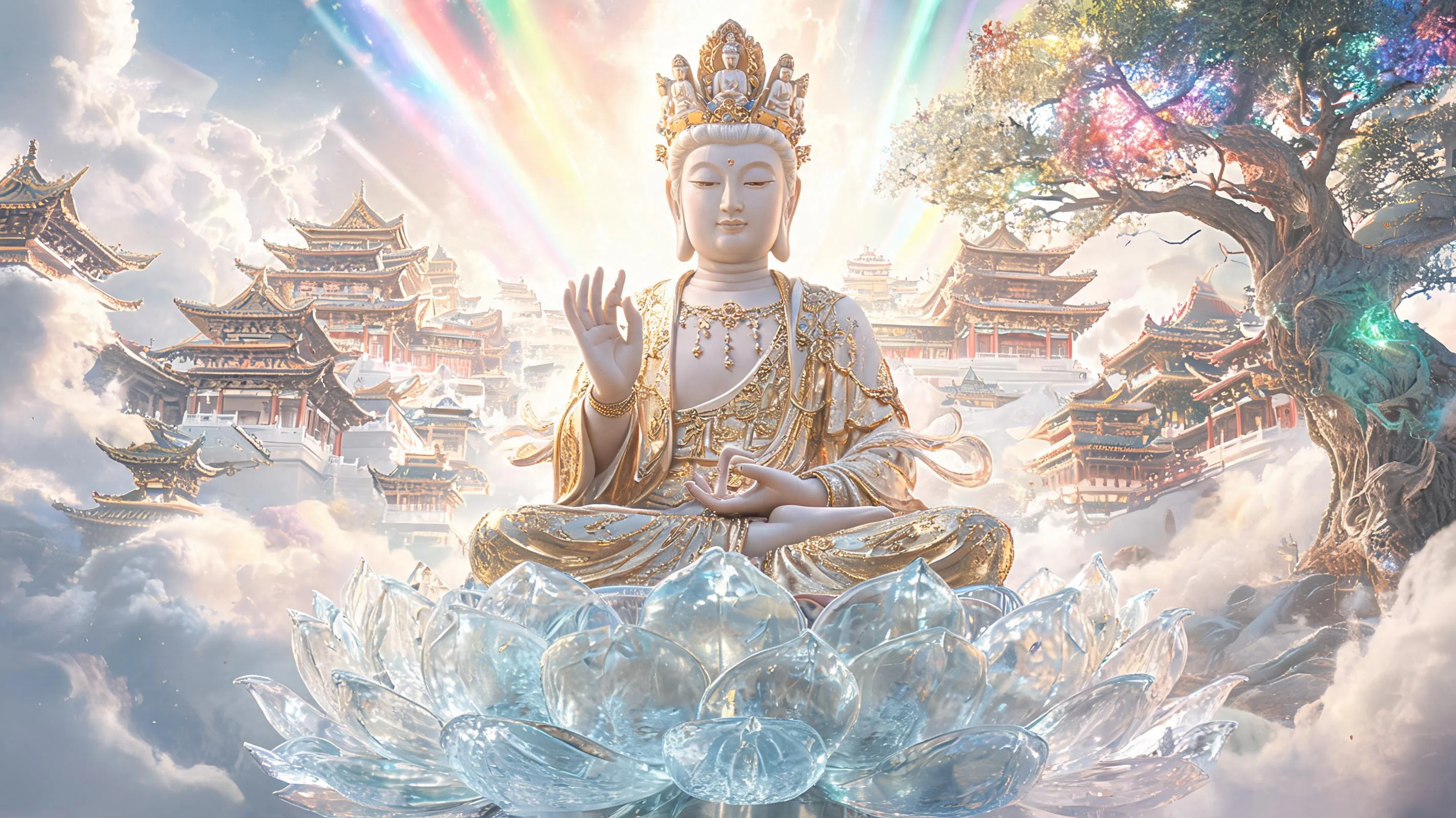 Safety & Blessing
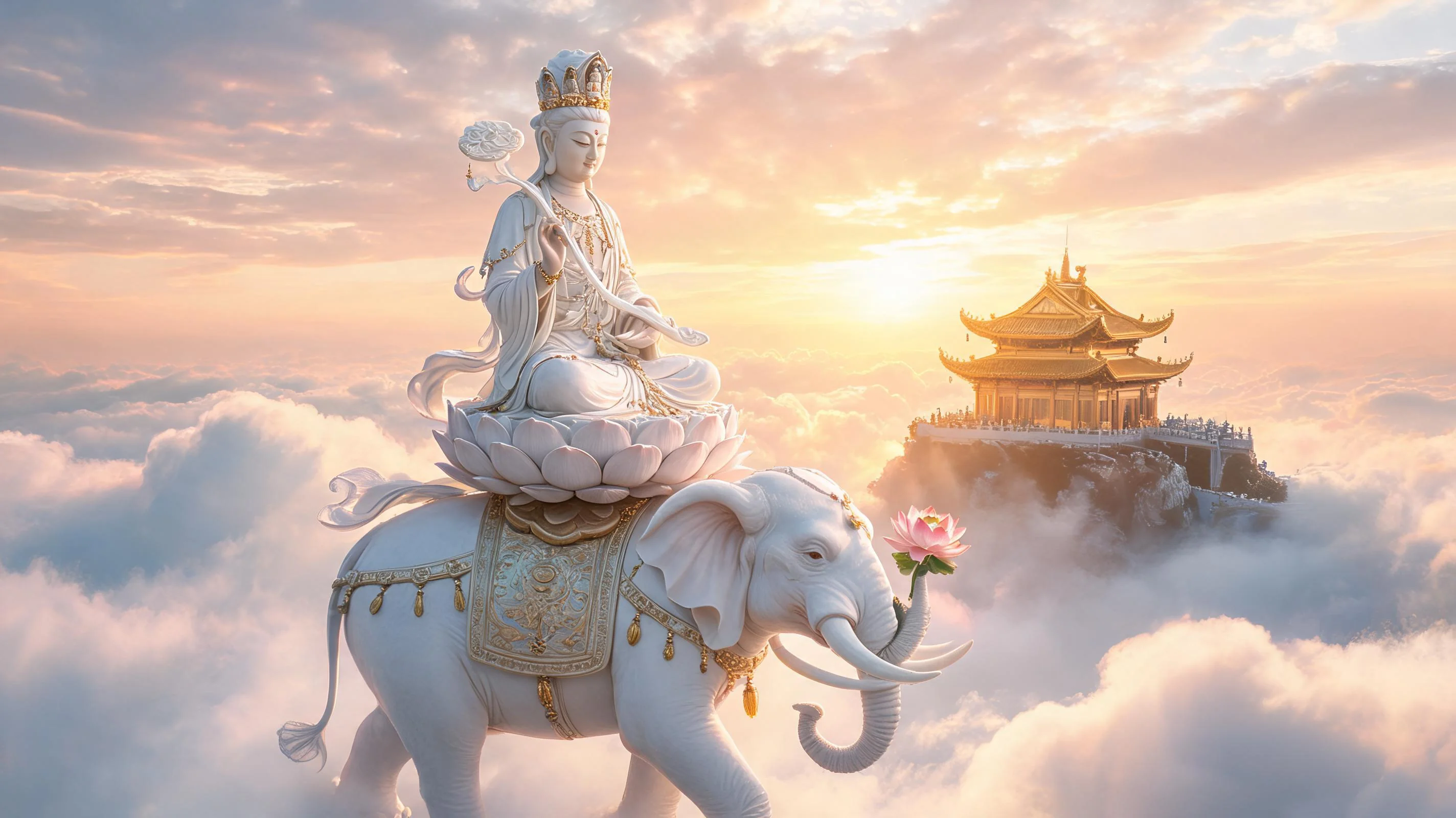 Safety & Blessing
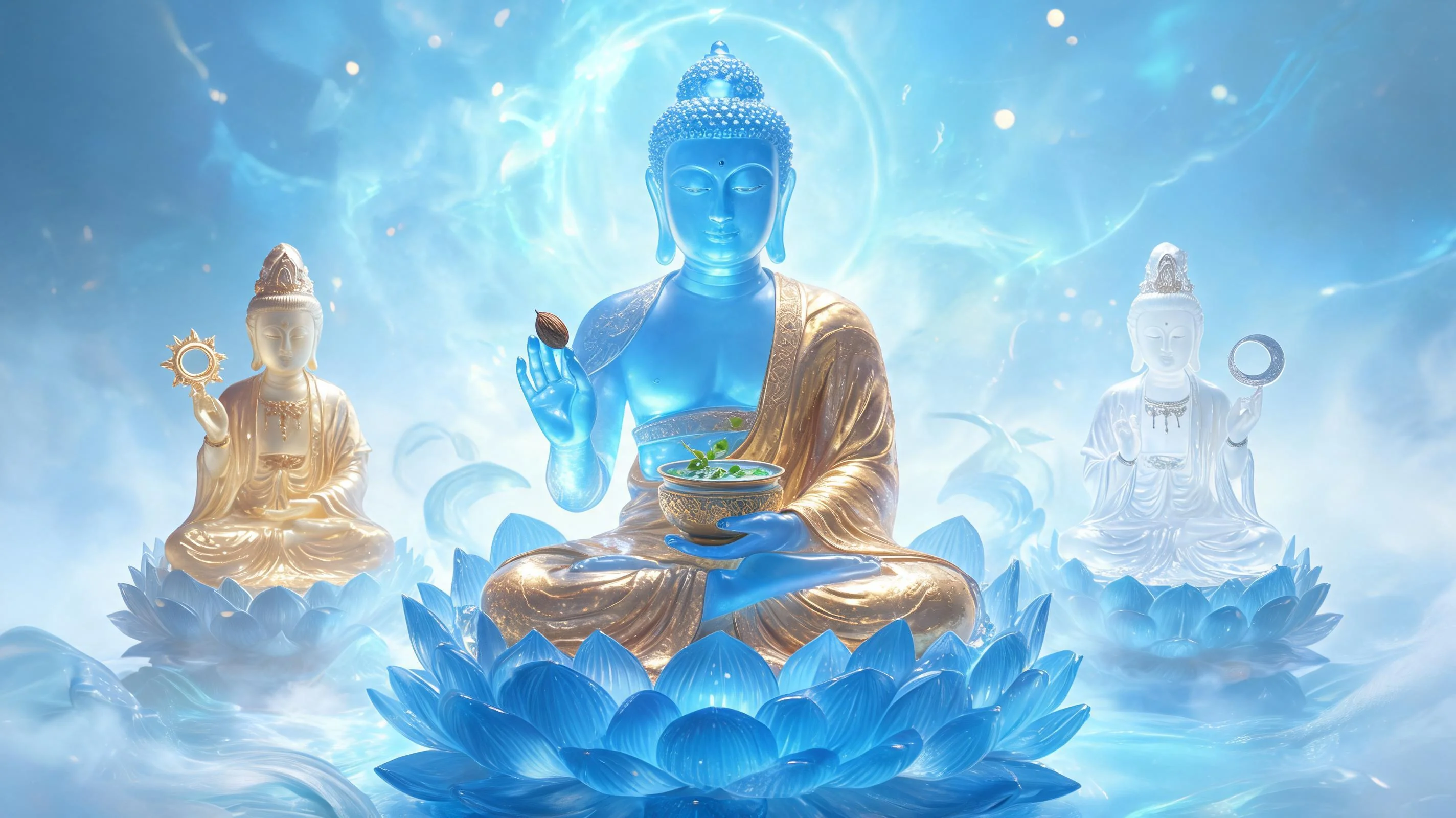 Health & Averting Calamity
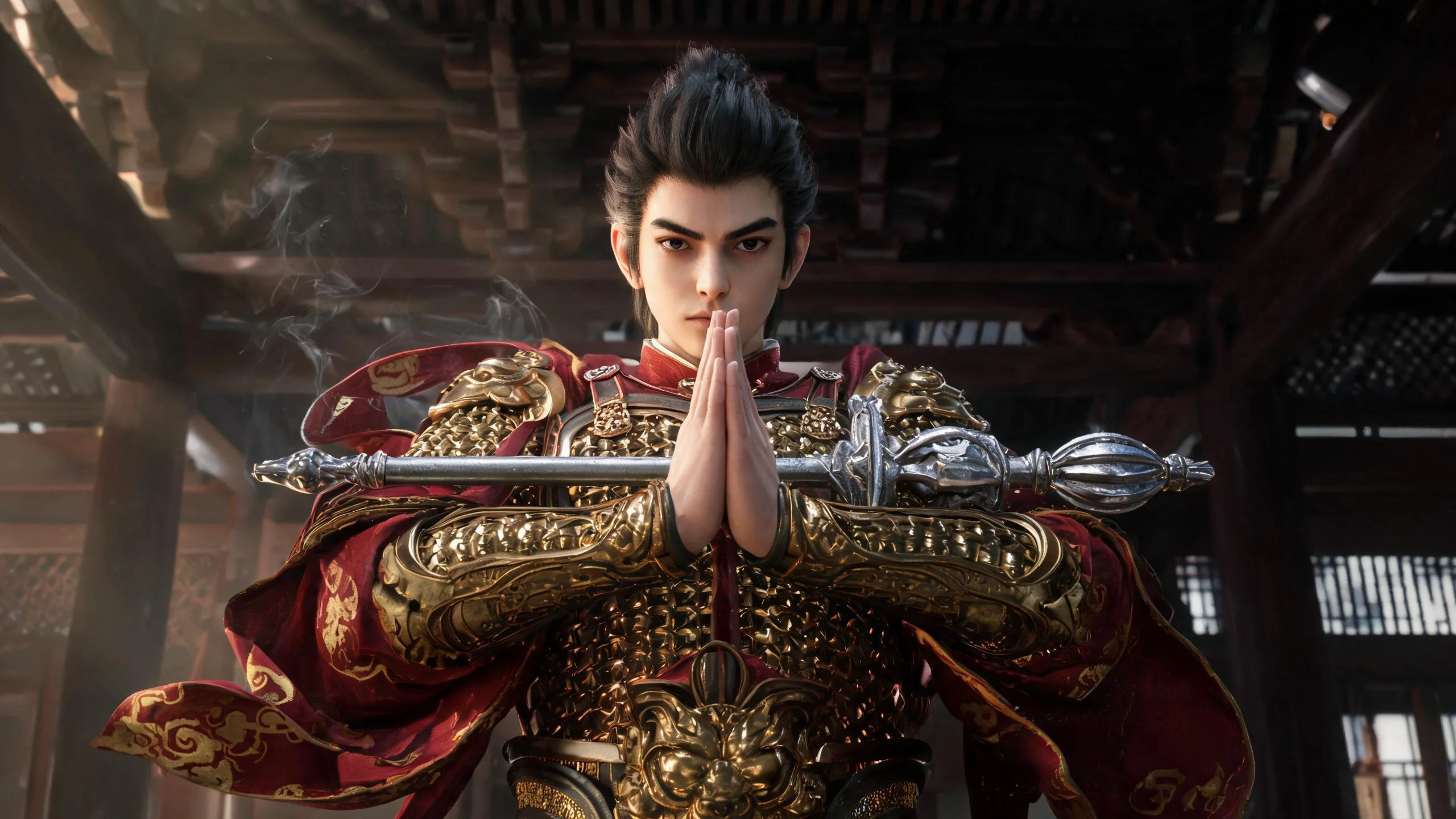 Safety & Blessing