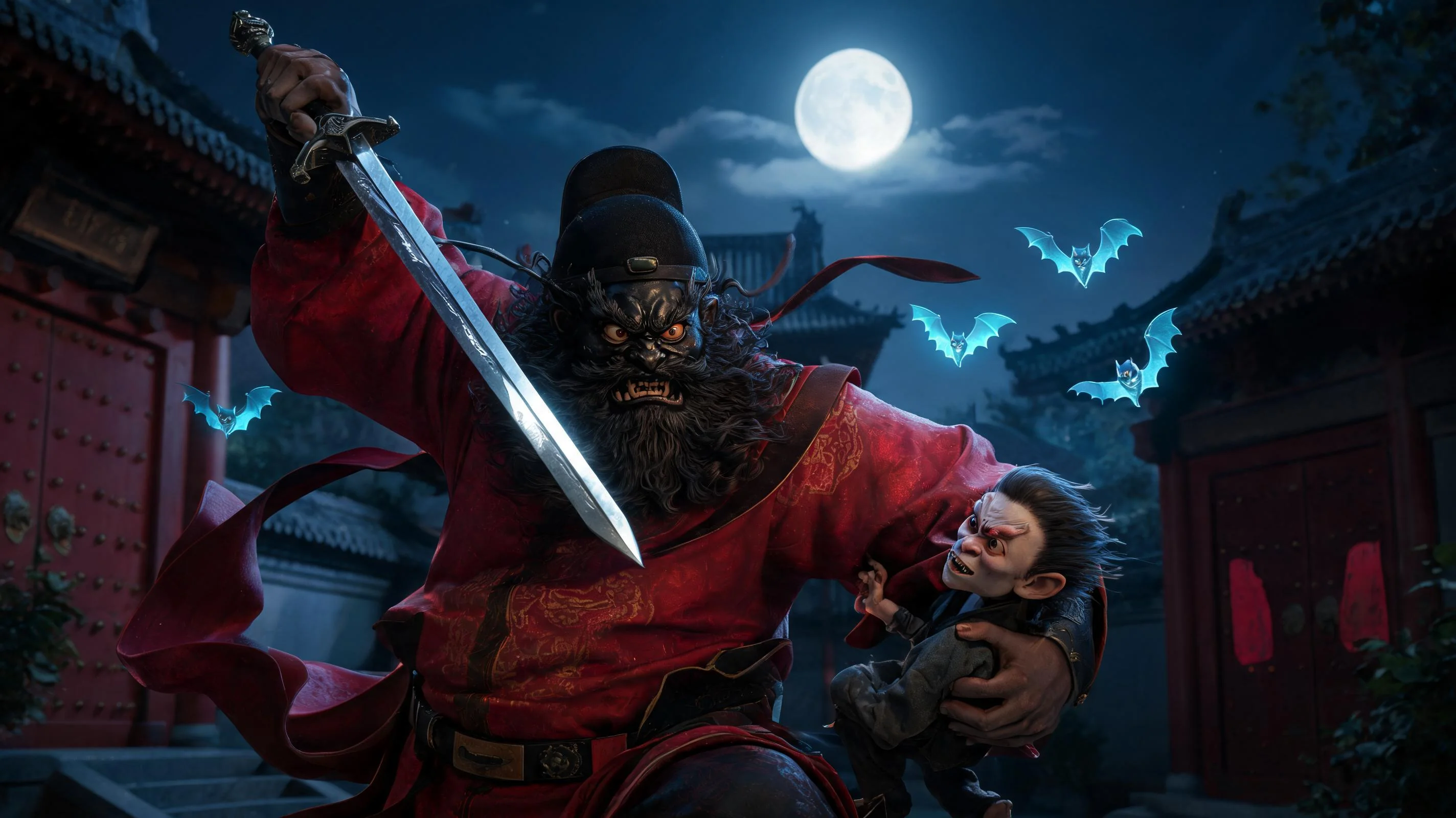
Zhong Kui (Demon Queller)
钟馗 · 鍾馗
Zhenmo Zhenjun, Zhenzhai Shengjun Zhong Kui (True Lord Who Subdues Demons; Holy Lord Who Pacifies Dwellings)
Divine Office
- Capturing and devouring ghosts, expelling malevolent spirits
- Pacifying dwellings and ensuring household safety
- Slaying demons and monsters, safeguarding justice
- Blessing scholarly success and overseeing integrity in imperial examinations
Origin & Legend
The legend of Zhong Kui crystallised during the Tang dynasty. According to Shen Kuo’s *Supplemental Brush Talks*, Emperor Xuanzong of Tang dreamt that a petty ghost stole his belongings while he was ill; then a giant ghost in a tattered hat and blue robe seized and devoured the thief. Introducing himself as Zhong Kui, a failed imperial examination candidate from Mount Zhongnan, the giant ghost explained that he had dashed his head against the palace steps in despair after being unjustly disqualified from the palace examination—and now vowed to eradicate all demons and monsters throughout the realm. Upon waking, the emperor recovered fully and commissioned the master painter Wu Daozi to create an image of Zhong Kui, which was then distributed nationwide for annual exorcism rites at the New Year. Over subsequent dynasties, literati expanded the legend, adding episodes such as ‘Zhong Kui Marrying Off His Sister’. In folk practice, images of Zhong Kui are hung on doors during the Dragon Boat Festival and Chinese New Year’s Eve, causing even minor ghosts to flee in terror. Huxian County (now Huyi District) in Shaanxi Province is traditionally revered as Zhong Kui’s ancestral home; its famed ‘Zhong Kui painting’ tradition—rooted in this legacy—has flourished uninterrupted to this day, and Zhong Kui’s image of stern integrity remains universally recognised across China.
 Wealth
 Safety & Blessing
 Wealth
 Safety & Blessing
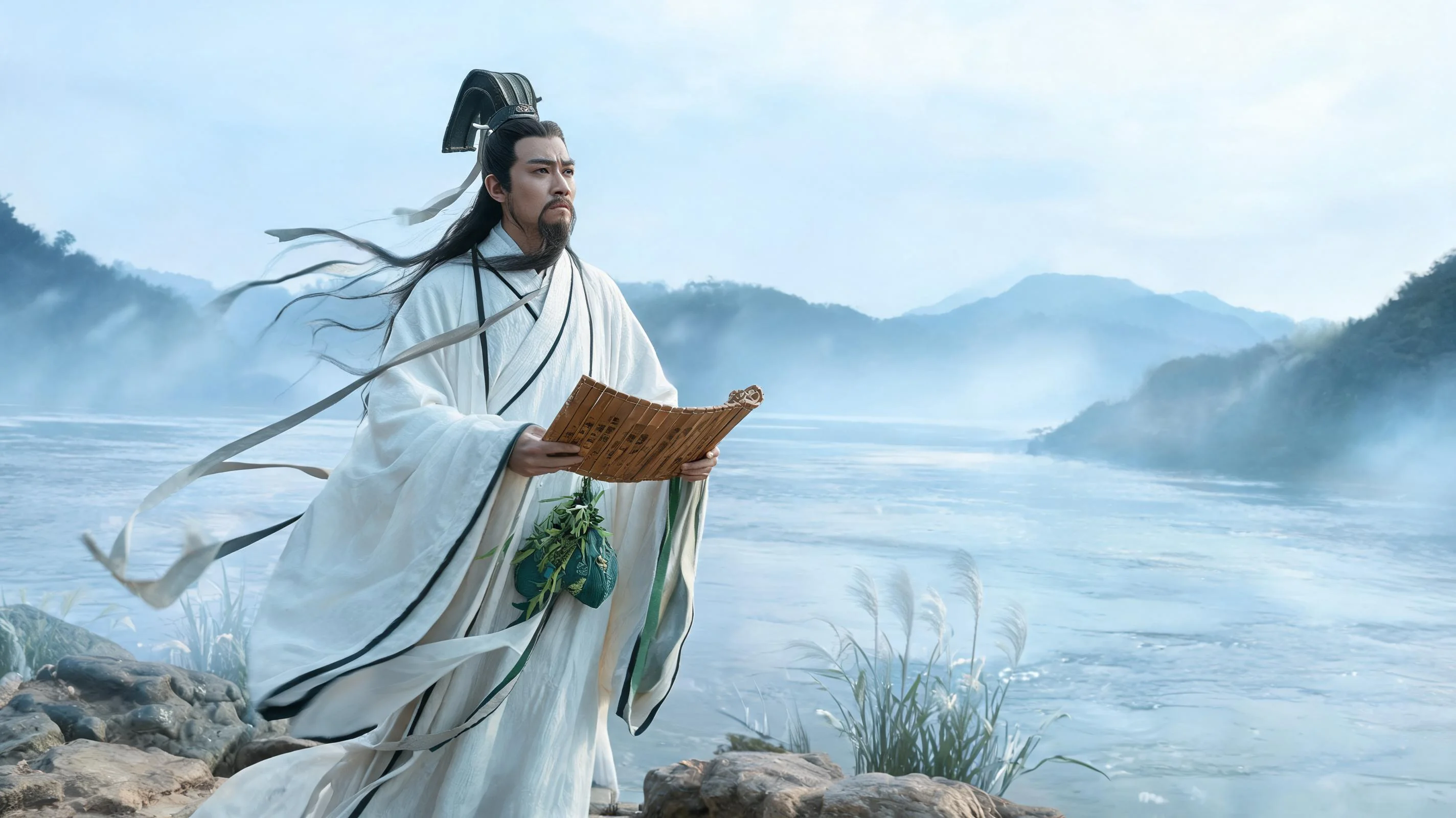 Studies & Exams
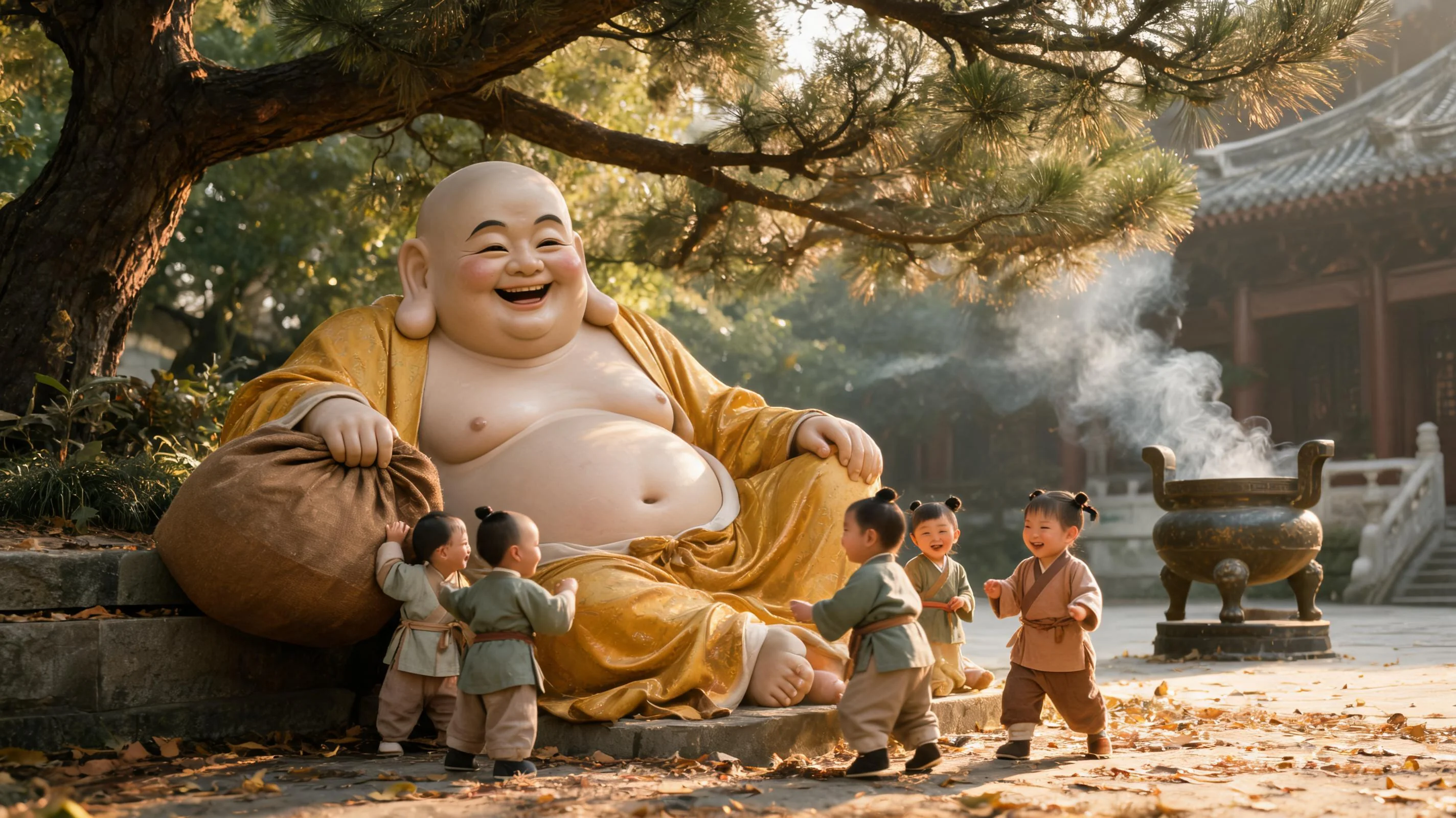 Wealth
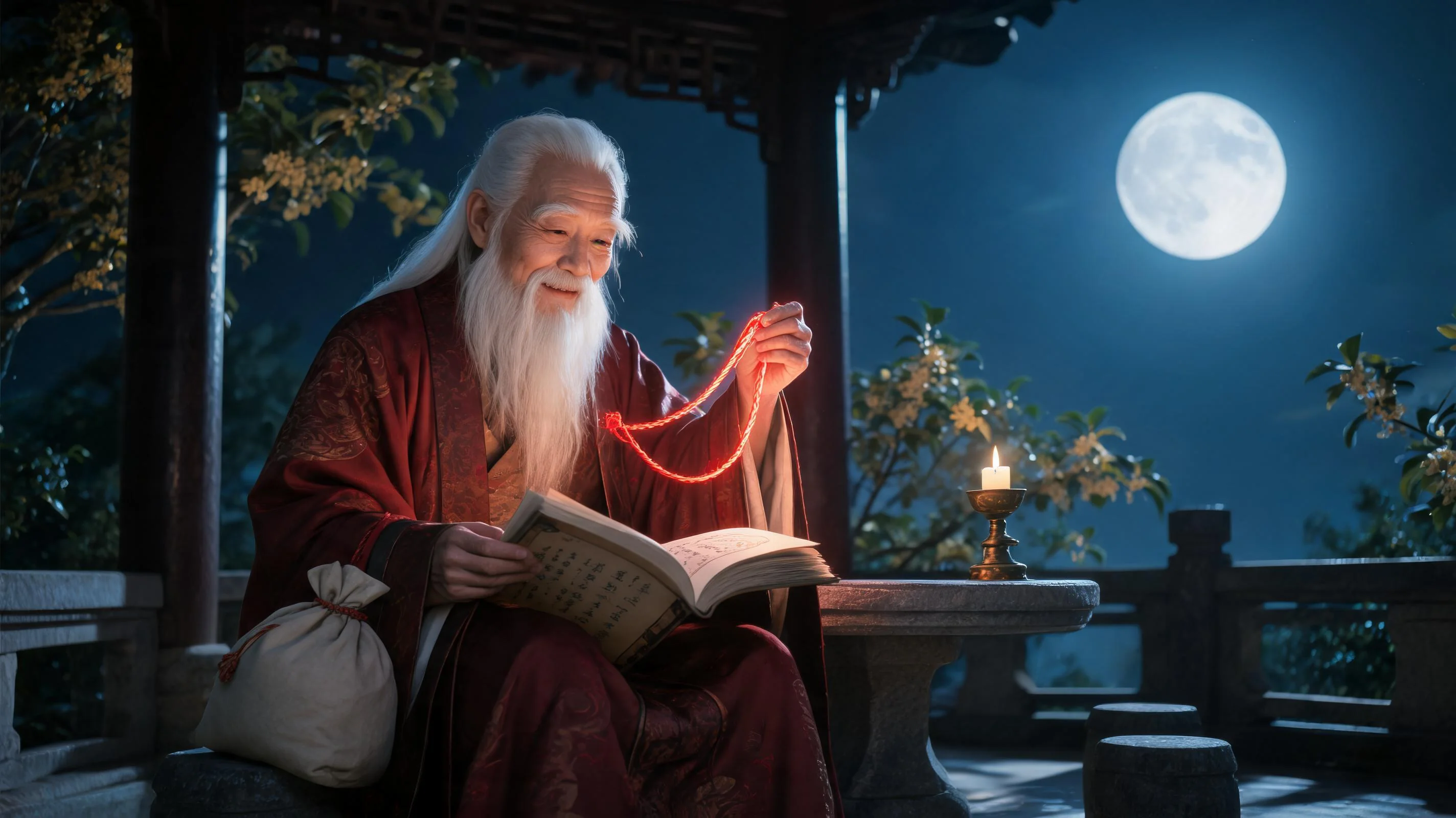 Children & Marriage
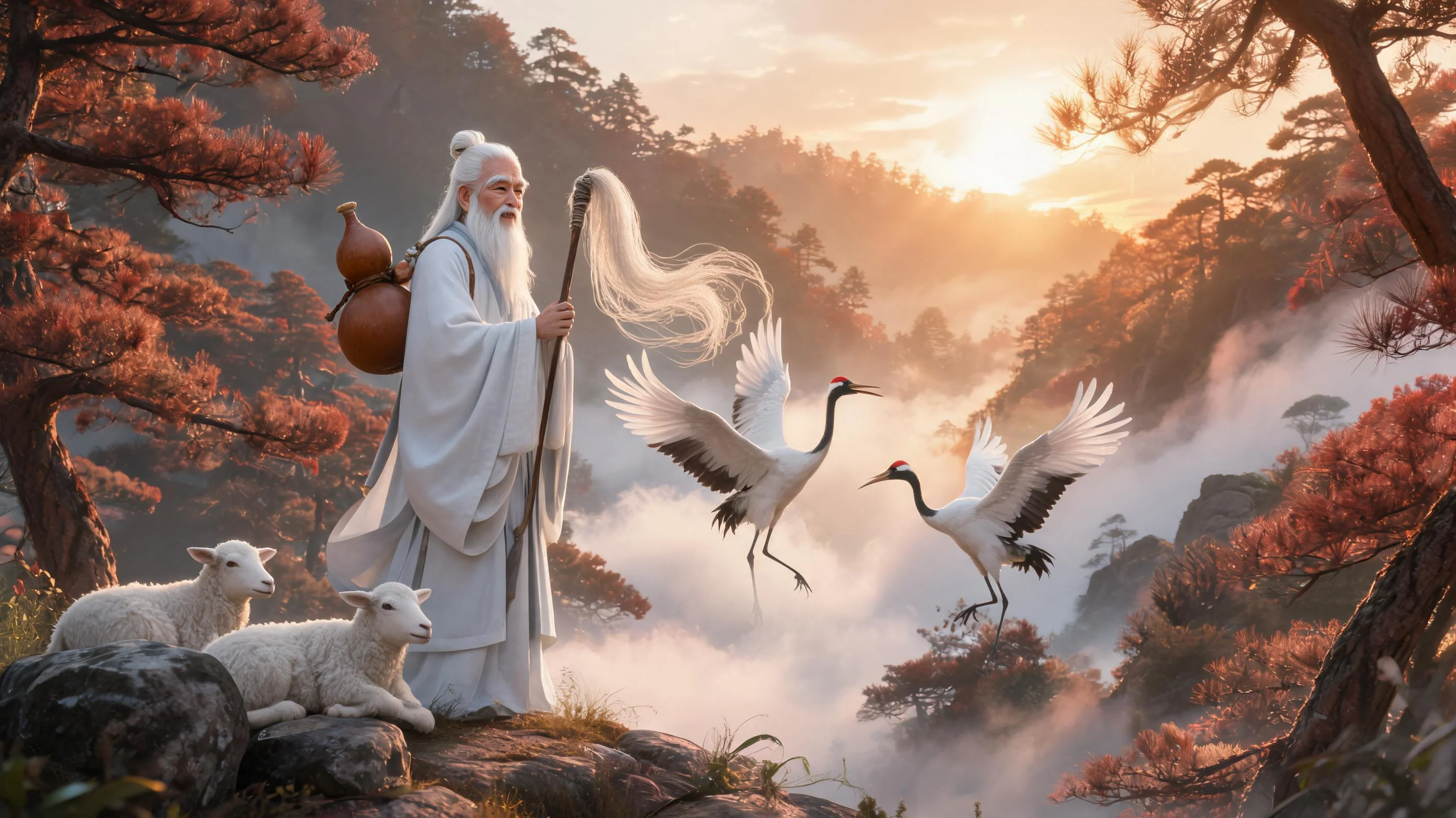 Wealth