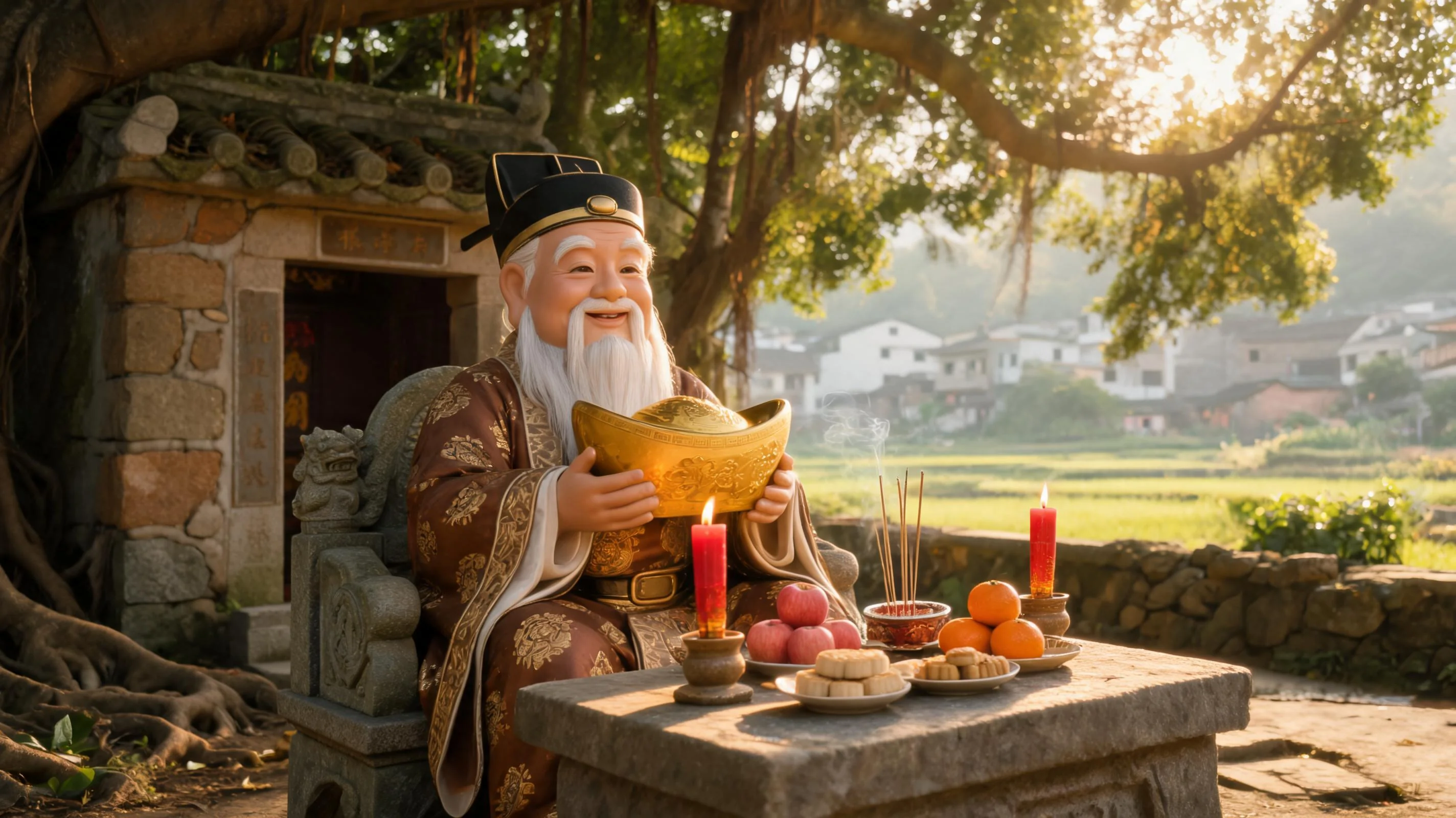
Tudigong (Earth God)
福德正神 · 福德正神
Fude Zhengshen Tudigong
Divine Office
- Guarding local land and waters, ensuring peace and security for the community
- Blessing bountiful harvests and thriving livestock
- Protecting household foundations and residential sites from harm, and expelling malevolent spirits
- Overseeing local prosperity and blessing merchants with steady business
Origin & Legend
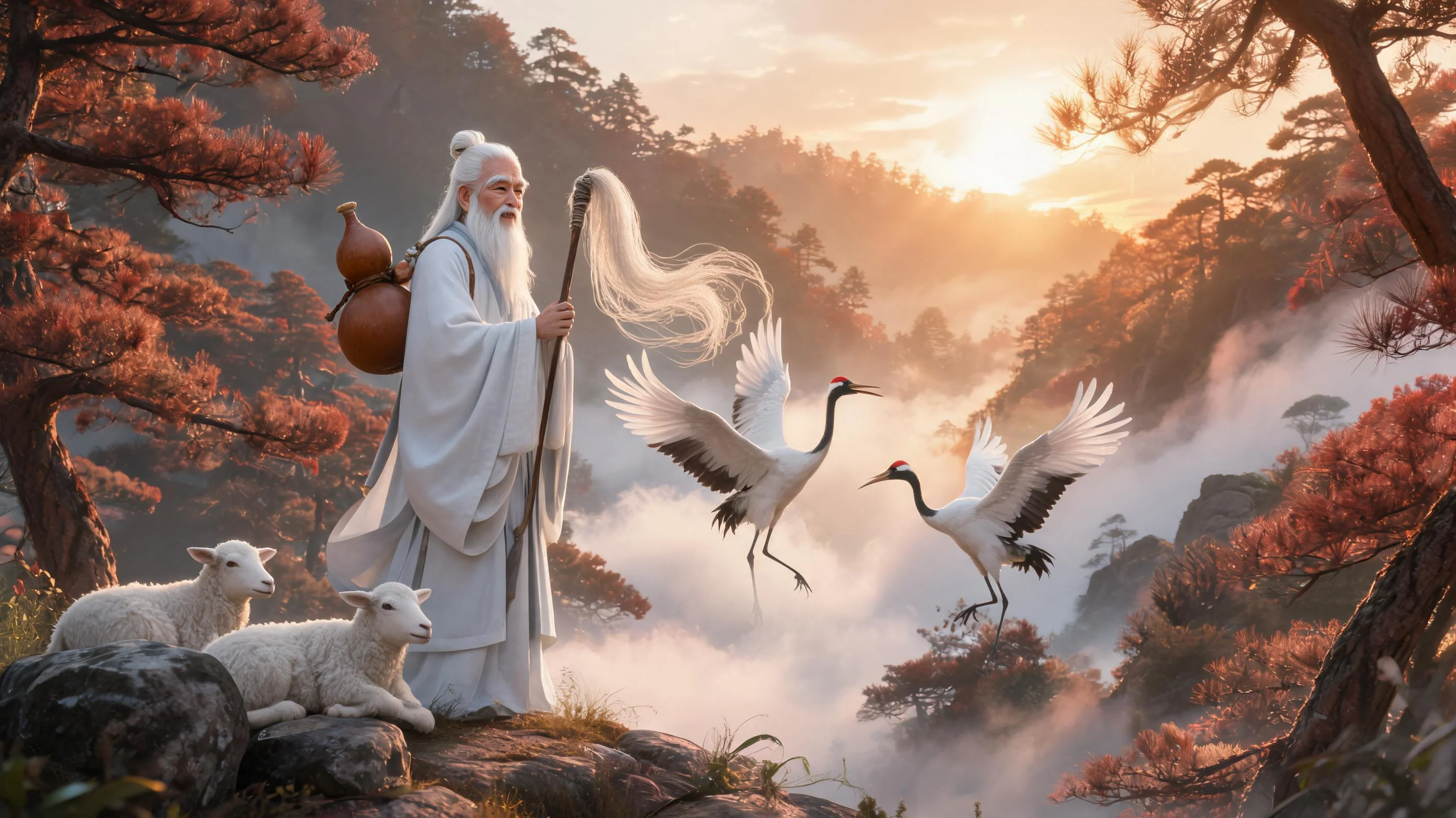
The cult of the Earth God originated in the ancient veneration of She Shen (the Soil Deity), one of the twin deities of state ritual—She (Soil) and Ji (Grain)—whose worship formed the core of imperial and communal land rites. From the Han dynasty onward, the She Shen gradually became personified and localized: small shrines were erected in every village, alleyway, mountain, river, and city wall to honour this tutelary spirit. Legend holds that Zhang Fude, a virtuous official of the Zhou dynasty born on the 2nd day of the 2nd lunar month, served with integrity and deep devotion to the people; after his death, grateful locals enshrined him as Fude Zhengshen (‘The Righteous Deity of Virtue and Abundance’). Though holding only a minor official rank, he remained the deity closest to ordinary life—his blessings are sought before weddings and funerals, ground-breaking ceremonies, house construction, and maritime trade. In Fujian and Taiwan, Tudigong worship is especially widespread: merchants continue the age-old custom of offering sacrifices on the 2nd and 16th days of each lunar month—the ‘Ya’ rituals—unbroken to this day.
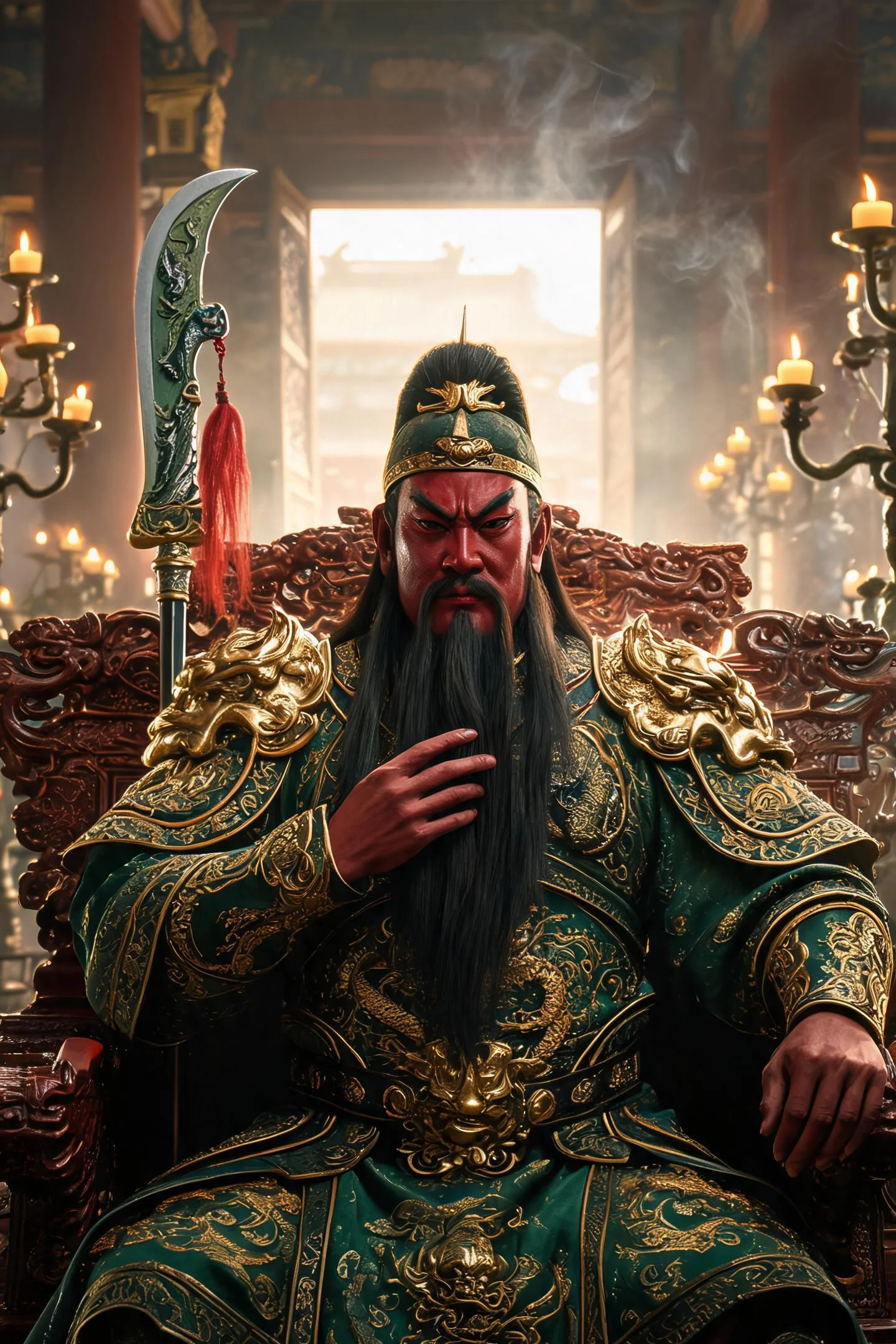 Wealth
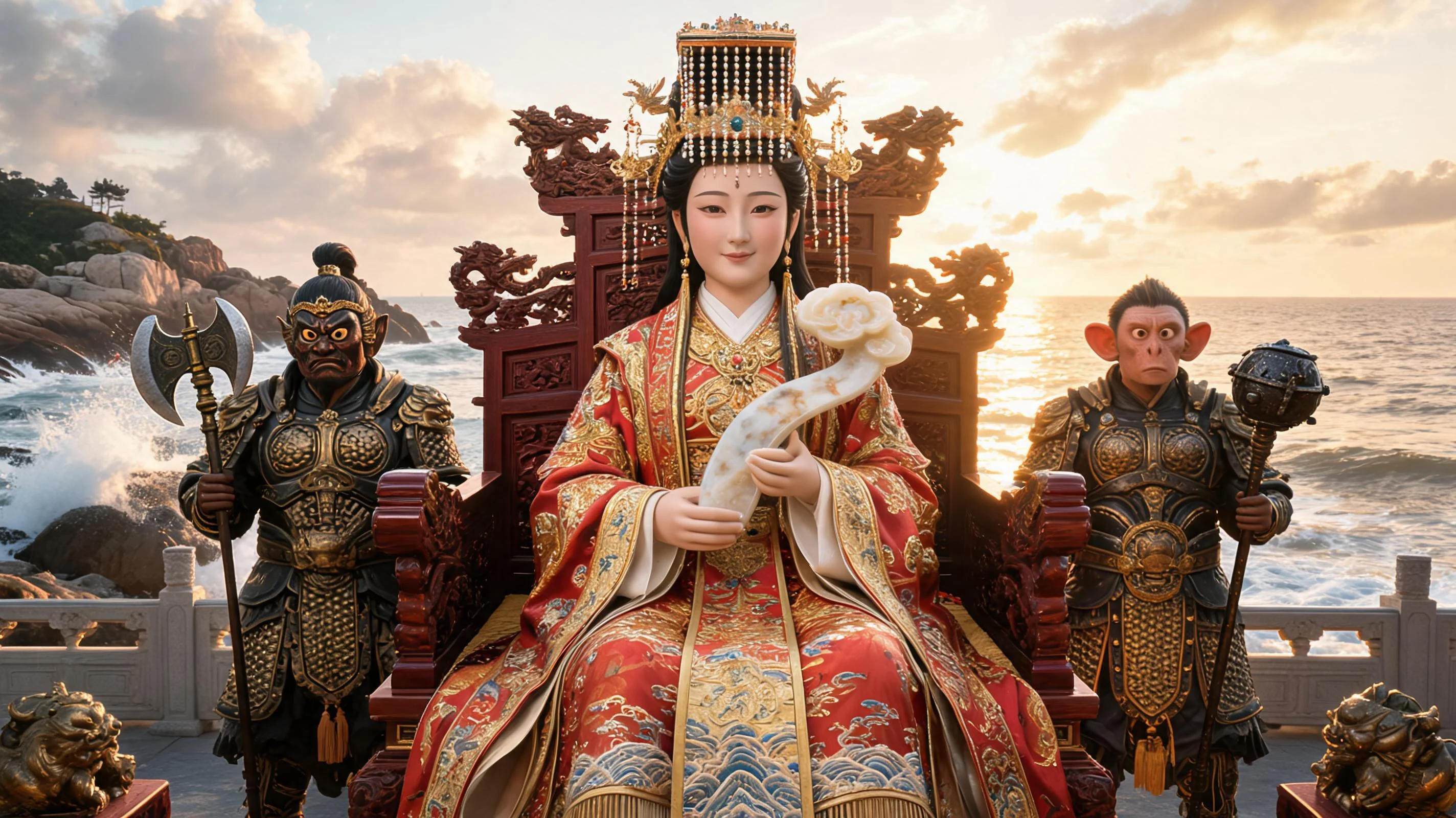 Safety & Blessing
 Wealth
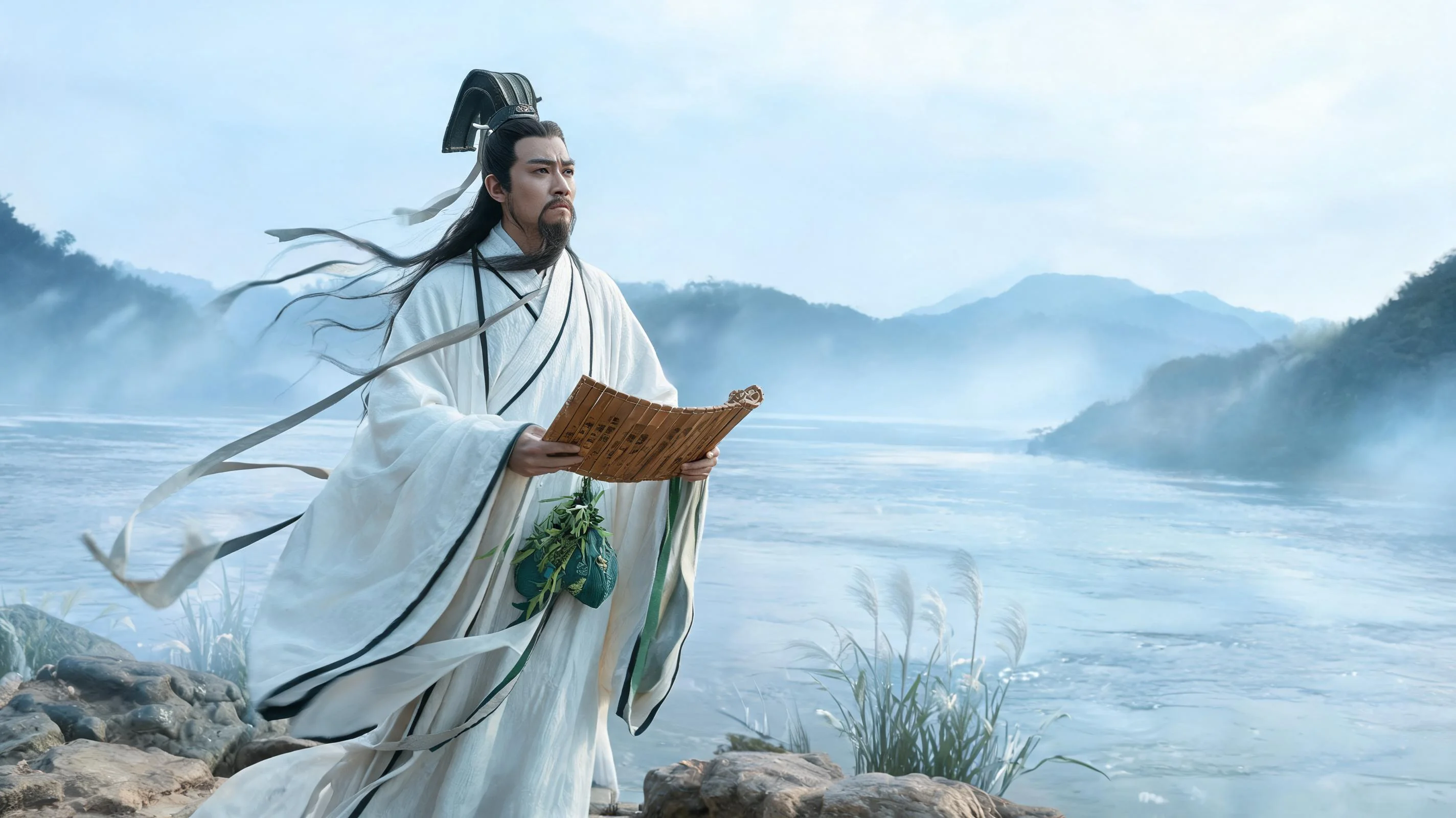 Studies & Exams
 Wealth
 Children & Marriage
 Wealth
 Safety & Blessing