
Li Jing, the Pagoda-Bearing Heavenly King
托塔天王李靖 · 托塔天王李靖
Pagoda-Bearing Heavenly King Li
Divine Office
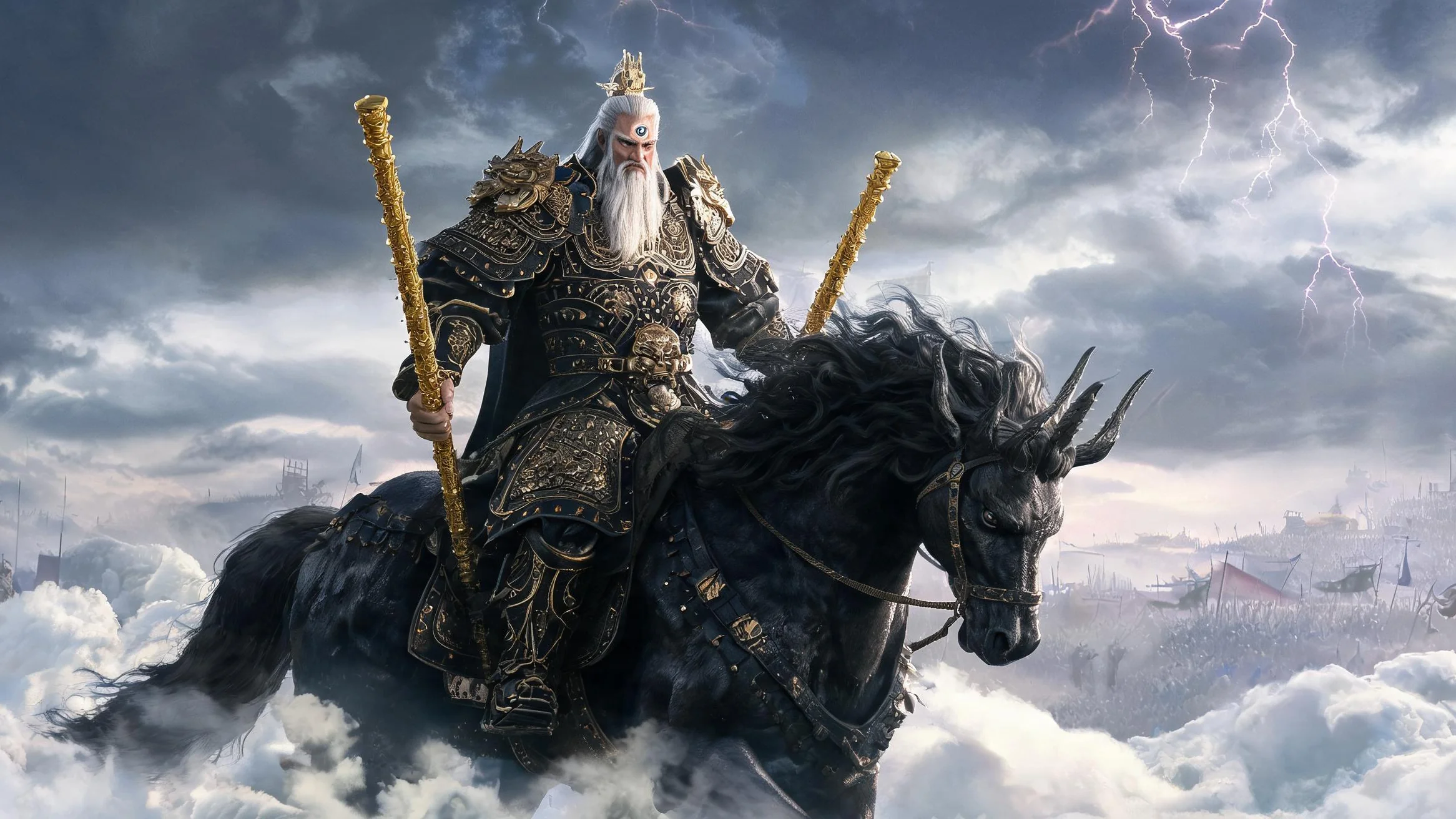
- Supreme Commander of the Celestial Army, leading heavenly troops and generals against demons and monsters
- Holding aloft the exquisitely crafted jewelled pagoda to subdue and suppress all malevolent spirits throughout the realm
- Commanding the Twenty-Eight Stellar Generals of Heaven to uphold cosmic order across the Three Realms (Heaven, Earth, and the Netherworld)
- Protecting local peace and safety, and guarding homes against evil influences
Origin & Legend
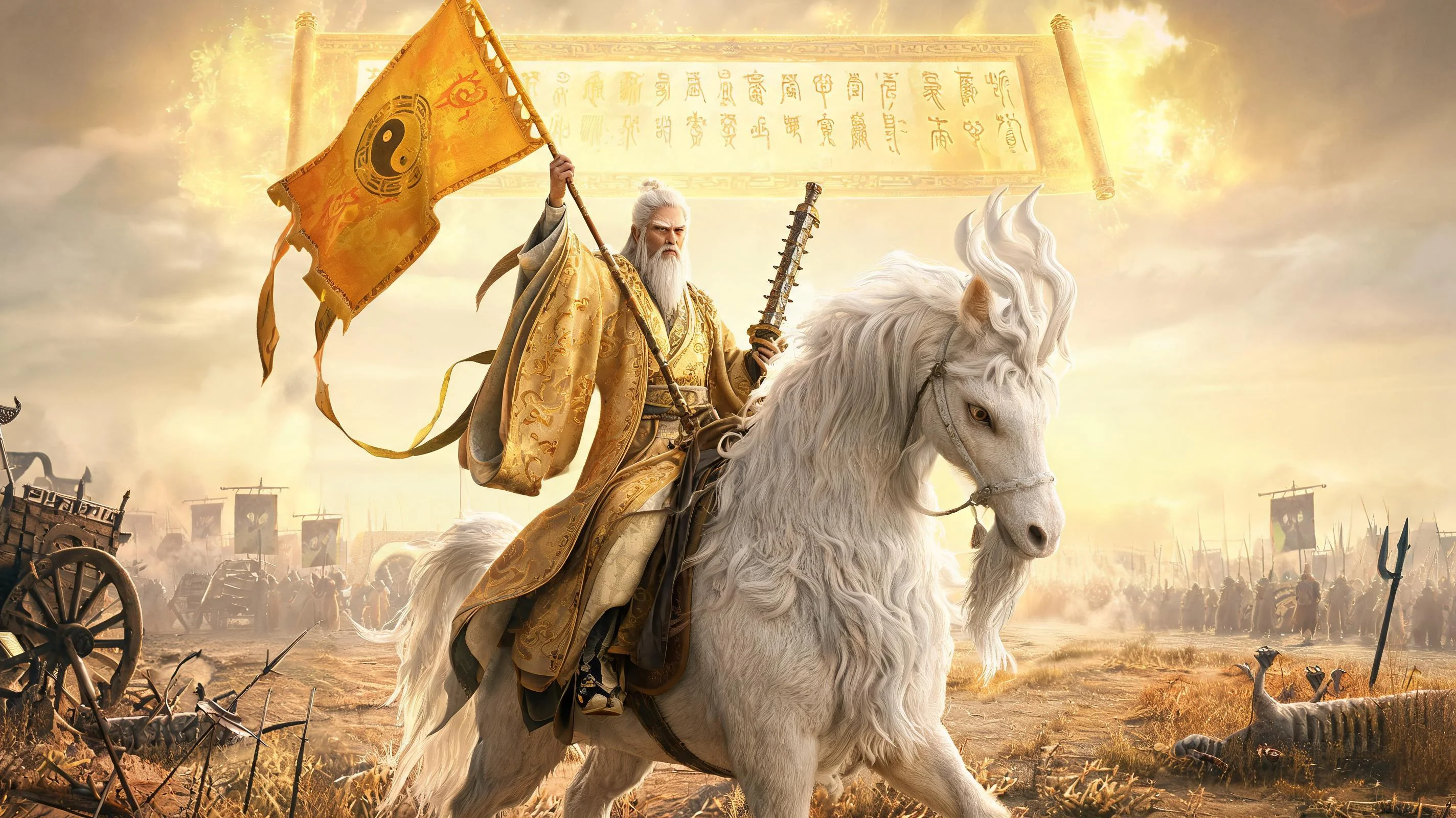
The figure of Li Jing, the Pagoda-Bearing Heavenly King, synthesises legends surrounding the Tang-dynasty general Li Jing—a celebrated military hero deified as a god of war—with those of Vaiśravaṇa (the Buddhist Guardian King of the North, also known as the 'Heavenly King Who Hears Much'). During the early Tang dynasty, General Li Jing’s extraordinary military achievements led to his posthumous deification as a martial deity; over time, his persona merged with that of Vaiśravaṇa, one of the Four Heavenly Kings in Buddhism, evolving into the celestial commander who bears the jewelled pagoda. In the classic novel *Investiture of the Gods*, he serves as the garrison commander of Chentang Pass; after his son Nezha causes havoc in the sea and, in penance, dismembers himself to return his flesh and bones to his parents, Li Jing is given the jewelled pagoda by the Daoist immortal Burning Lamp Immortal to subdue and reconcile with his son—thus resolving their filial conflict before both ascend together to the Celestial Court. In *Journey to the West*, he serves as Supreme Commander of the Celestial Army, leading 100,000 heavenly soldiers against Sun Wukong. His jewelled pagoda possesses the power to subdue all demons and monsters, and consequently, he is widely venerated in folk religion as a guardian deity who protects homes and wards off evil.
 Warding Off Evil
 Warding Off Evil
 Warding Off Evil
 Warding Off Evil
 Warding Off Evil
 Safety & Blessing
 Health & Averting Calamity
 Warding Off Evil