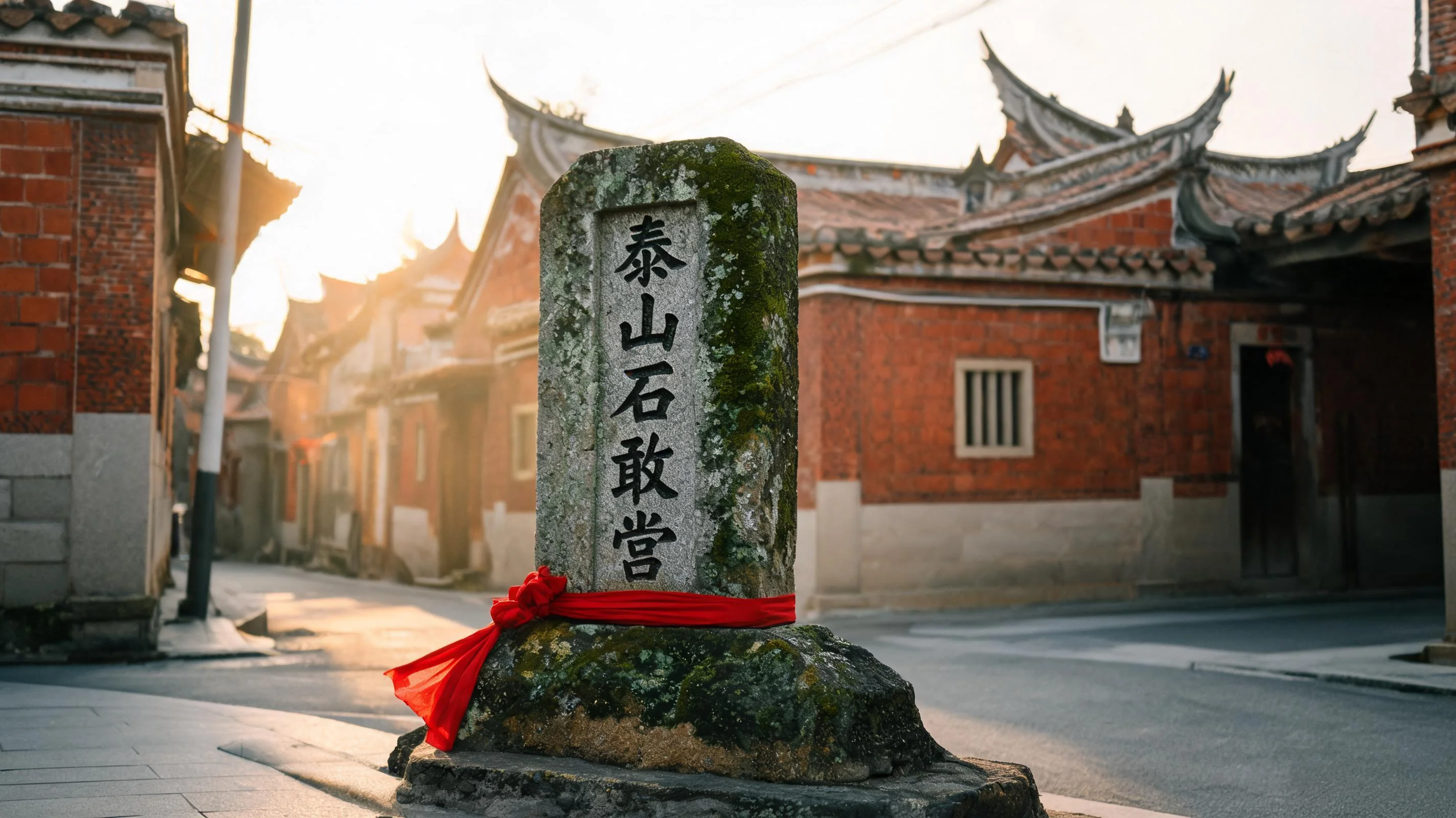
Taishan Shigandang
泰山石敢当 · 泰山石敢當
: Spirit Stone for Home Protection
Divine Office
- Warding off malevolent energies and evil influences, neutralizing harmful 'road assaults' (lu chong) and 'alley assaults' (xiang chong)
- Guarding streets, alleys, and residential compounds, compensating for deficiencies in fengshui layout
- Expelling ghosts, spectres, and malevolent spirits to ensure local peace and safety
- Accompanying Chinese migrants across Fujian, Taiwan, and overseas Chinatowns
Origin & Legend
The Shigandang cult originated in ancient China’s veneration of spiritually potent stones. Traditional practice called for erecting stone steles inscribed with the five characters 'Taishan Shigandang' at hazardous intersections—such as T-junctions, alley entrances, or bridge approaches—to suppress malign forces, dispel evil spirits, and rectify fengshui imbalances. The name 'Shigandang' appears as early as the Western Han dynasty in Shi You’s primer *Ji Jiu Pian* (‘Quick Access Chapter’). Legend holds that stones from Mount Tai—the preeminent peak among China’s Five Sacred Mountains—possess uniquely sovereign spiritual power, causing all ghosts, demons, and malevolent entities to flee upon sight. Consequently, such stones were installed wherever homes faced ‘road assault’ or where local geomancy proved insufficient to contain harmful energies. From the Ming and Qing dynasties onward, this custom spread overseas with southern Fujianese migrants, becoming deeply entrenched in Taiwan’s urban and rural landscapes—especially dense in Kinmen and Penghu—and later carried by overseas Chinese to Southeast Asia and Chinatowns across Europe and North America. A simple, unyielding stone thus bears witness to the most resilient and elemental protective impulse within Chinese folk belief.
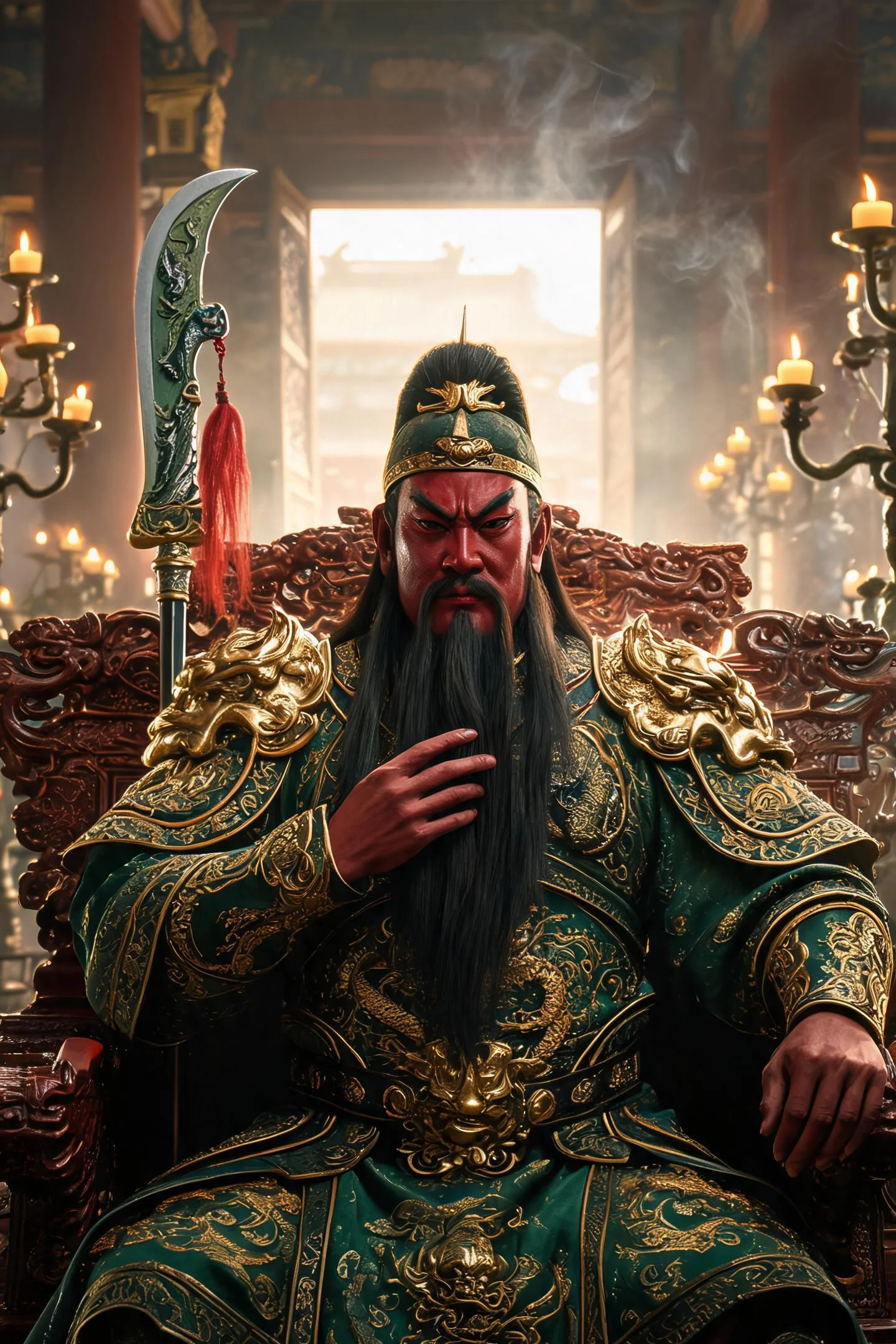 Wealth
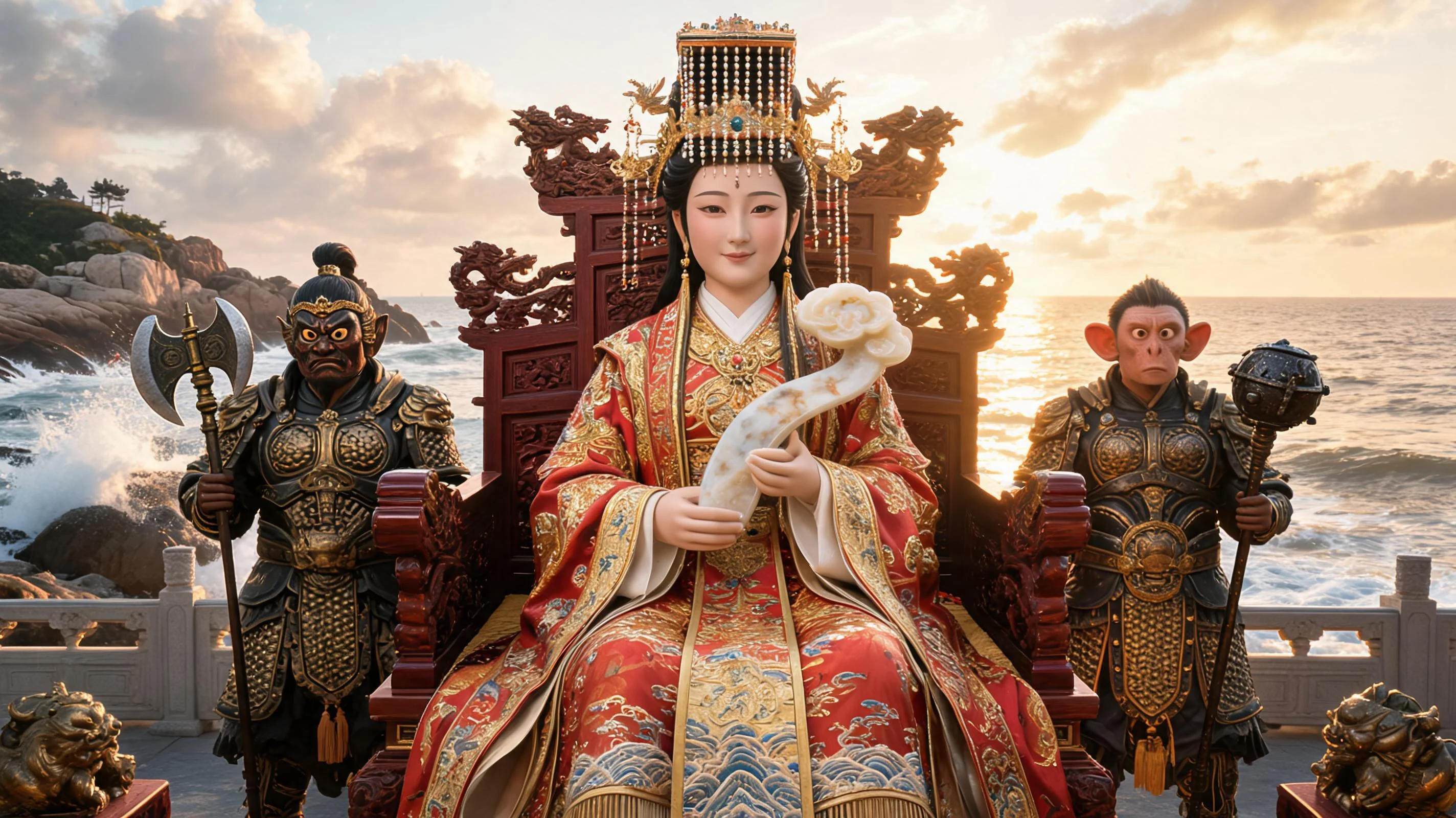 Safety & Blessing
 Wealth
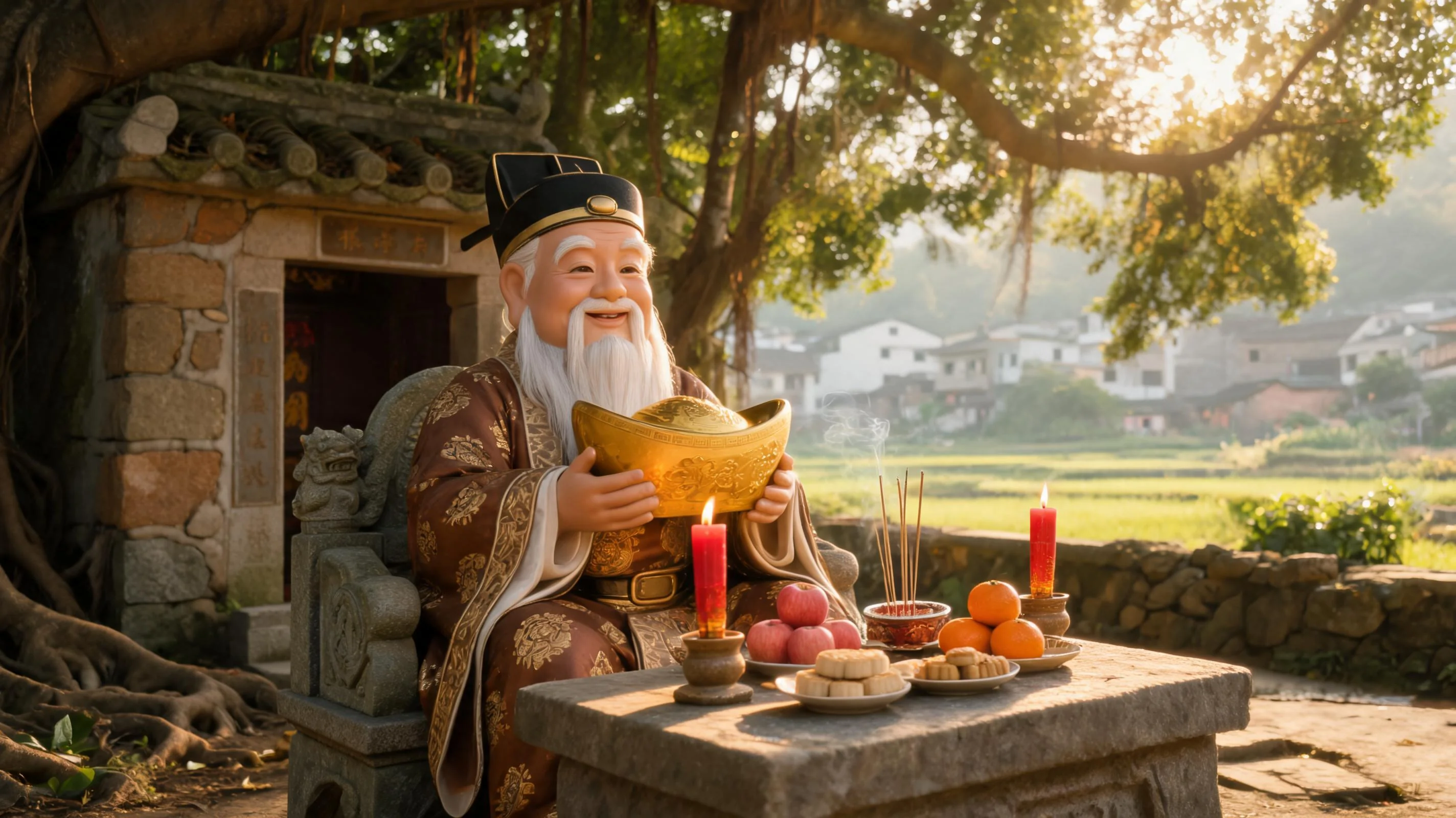 Safety & Blessing
 Studies & Exams
 Wealth
 Children & Marriage
 Wealth