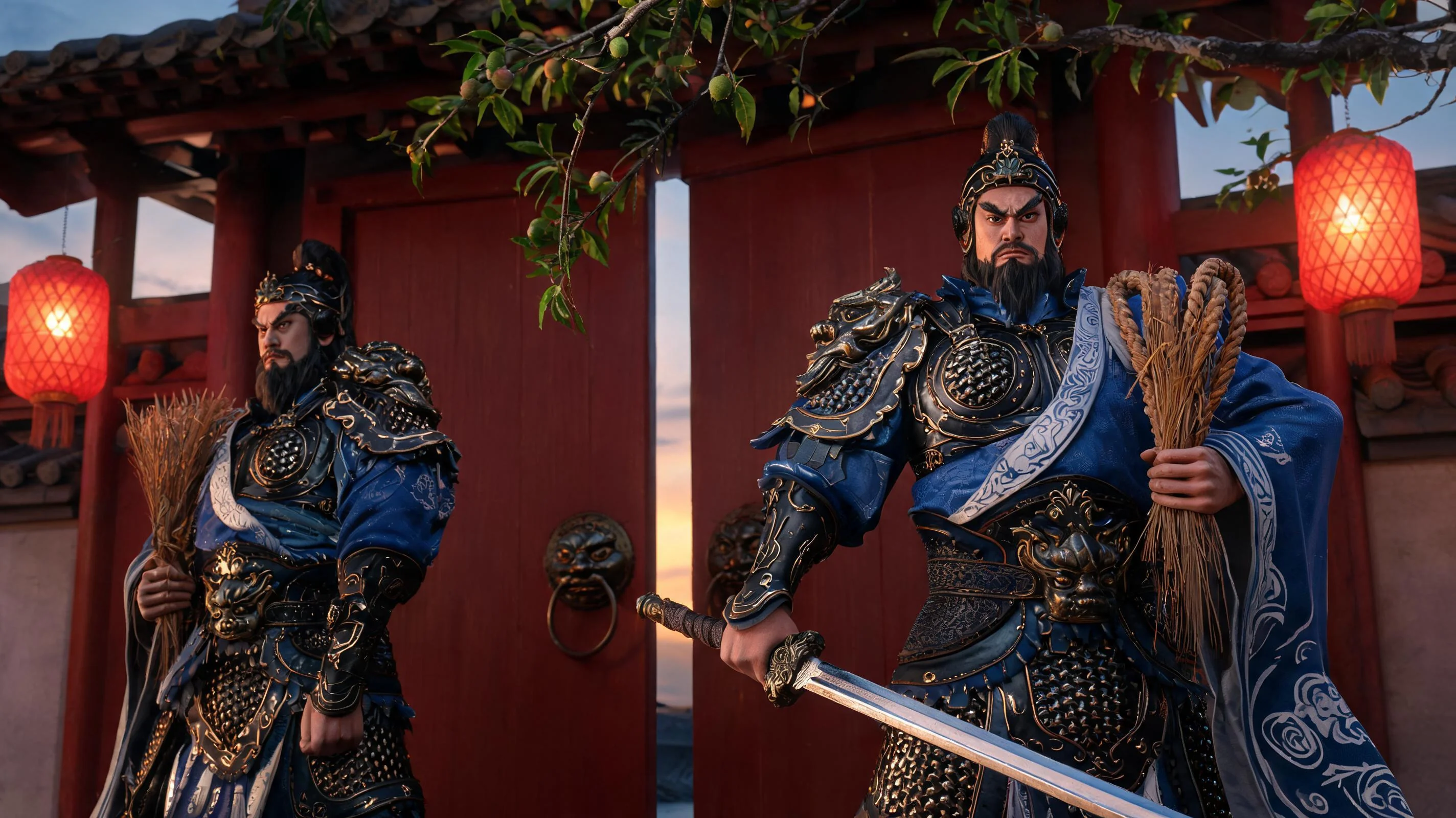
Door God Yulv
门神郁垒 · 門神鬱壘
Venerable Deity of Dushuo Mountain · Right-Side Door God · God Who Binds Ghosts
Divine Office
- Stands guard alongside Shen Tu, one at each side of the household gate, jointly protecting the home
- Captures and binds malevolent ghosts that cause harm or haunt dwellings, punishing evildoers and apprehending demons
- Oversees the Ghost Gate and patrols the comings and goings of all malevolent spirits
- Ensures the safety and well-being of ordinary people as they enter and exit their homes, shielding them from illness and misfortune
Origin & Legend
Yulv and Shen Tu were both divine wardens of ghosts beneath the sacred peach tree on Taodu Mountain, Dushuo Mountain. Ancient texts record his name alternatively pronounced as Yulü. The two deities worked in complementary roles: Shen Tu commanded and supervised the ghostly realm, while Yulv specialized in binding and punishing malevolent spirits; any harmful or wicked ghost was seized with a reed rope and fed to a tiger. Consequently, during seasonal festivals, people hung wooden plaques made of peach wood above their doors, inscribed with the names of Shen Tu and Yulv—these were known as 'peach-wood charms' (taofu), the direct precursors of later Spring Festival couplets. The famous line by Wang Anshi—'replacing old peach charms with new ones'—evokes precisely this millennium-old custom. As one of the earliest Door Gods in Chinese civilization, Yulv embodies the full evolution of Door God culture in China, from mythic archetype to enduring folk tradition.
 Wealth
 Safety & Blessing
 Wealth
 Safety & Blessing
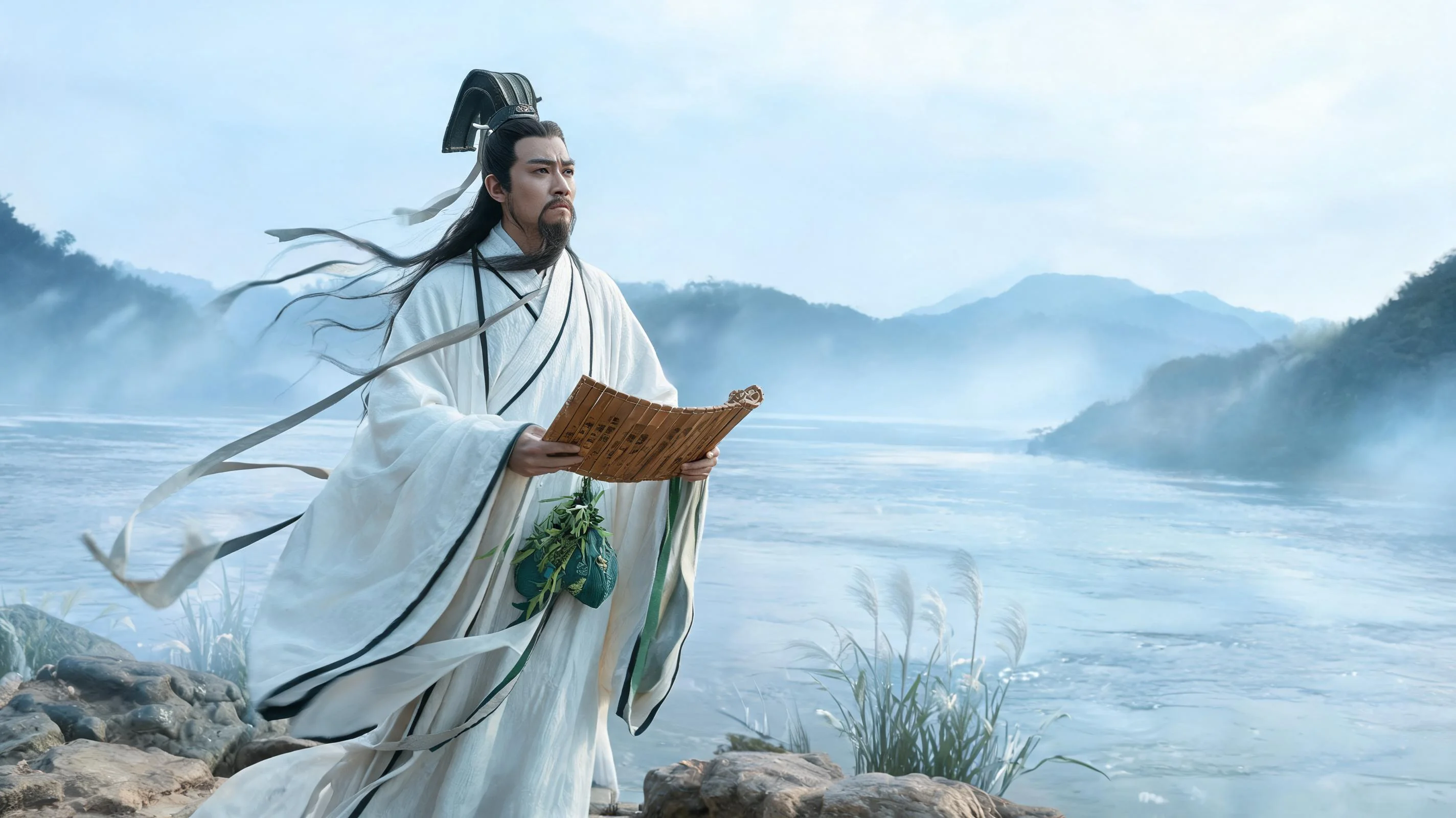 Studies & Exams
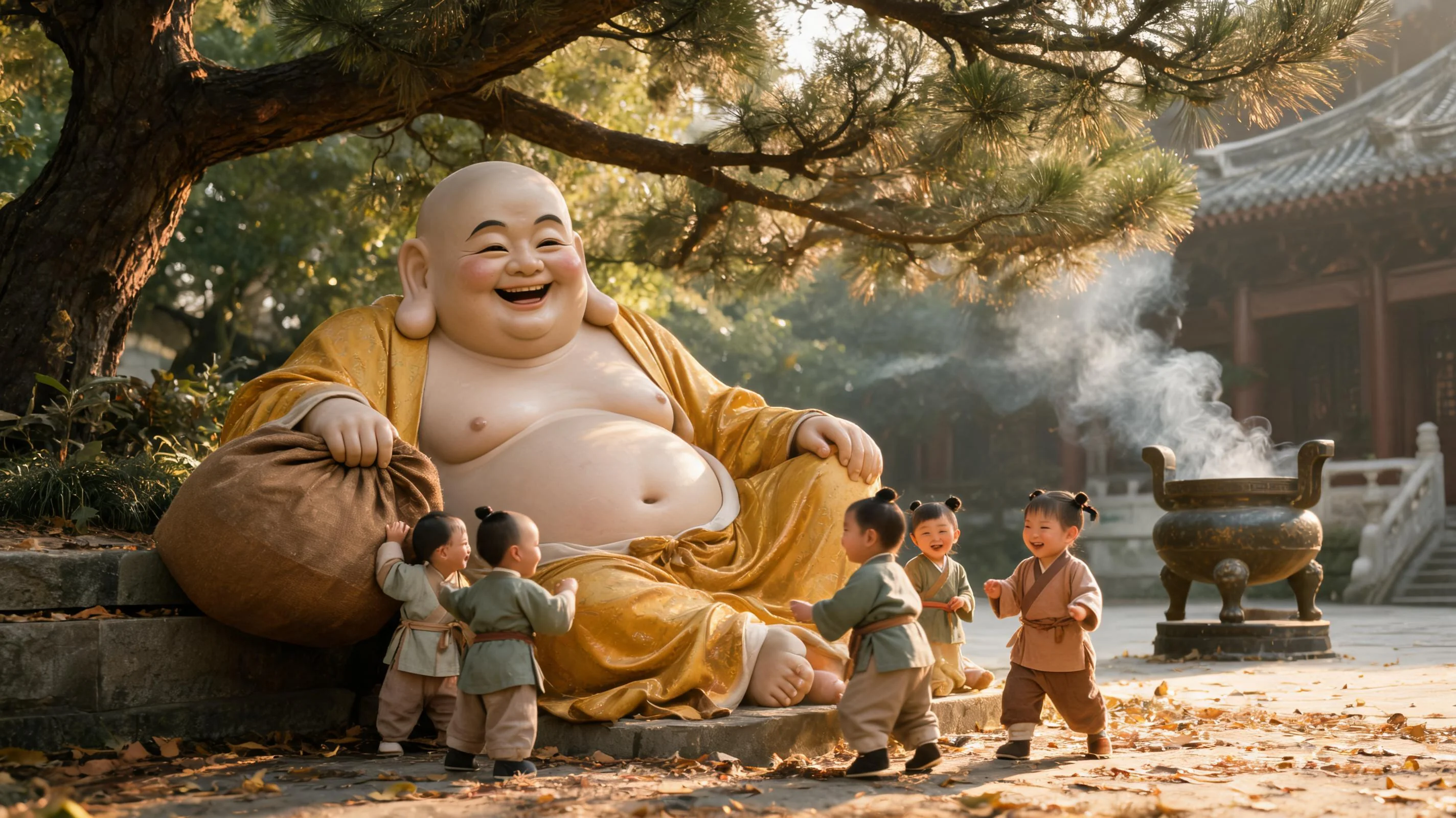 Wealth
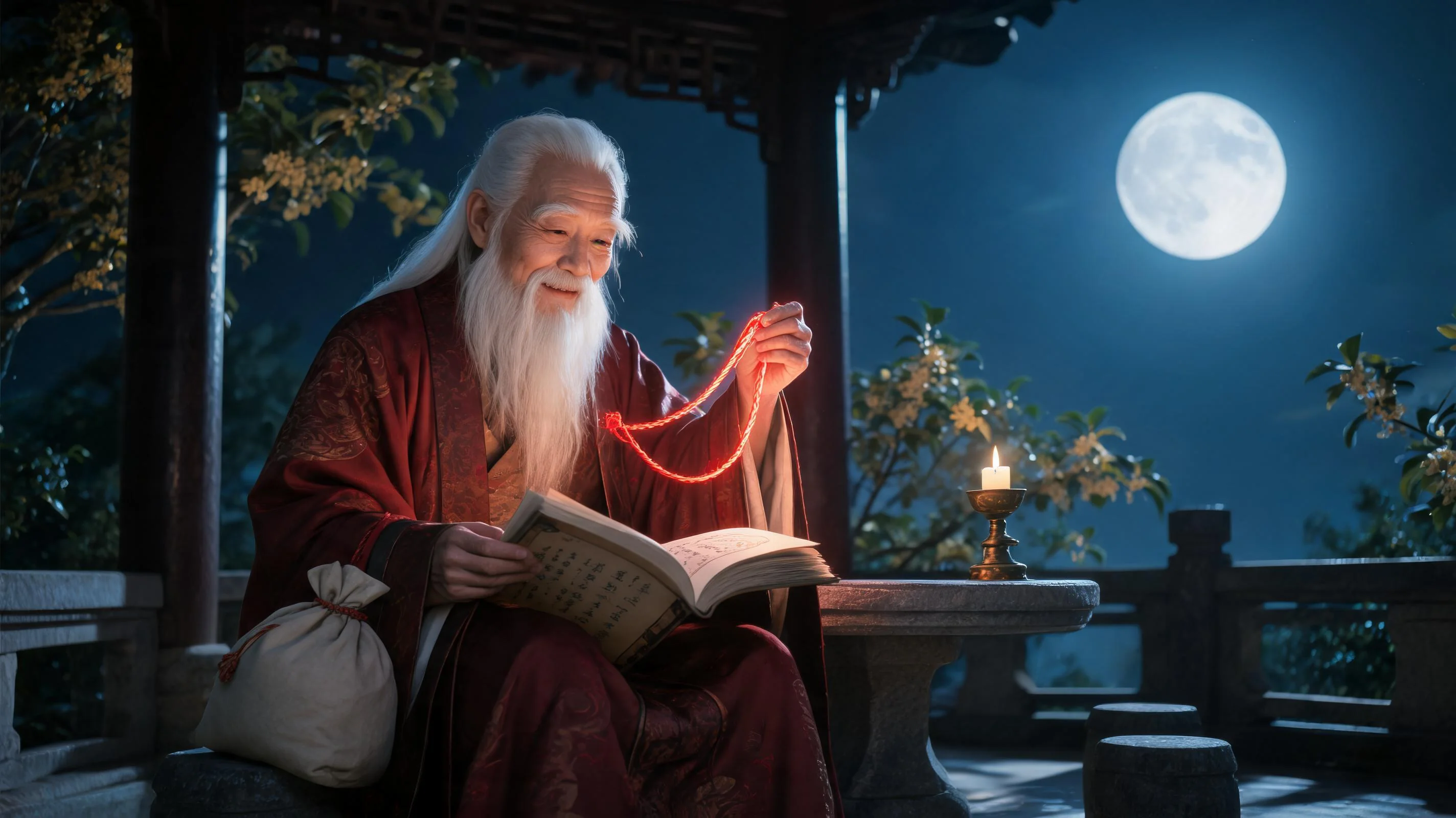 Children & Marriage
 Wealth