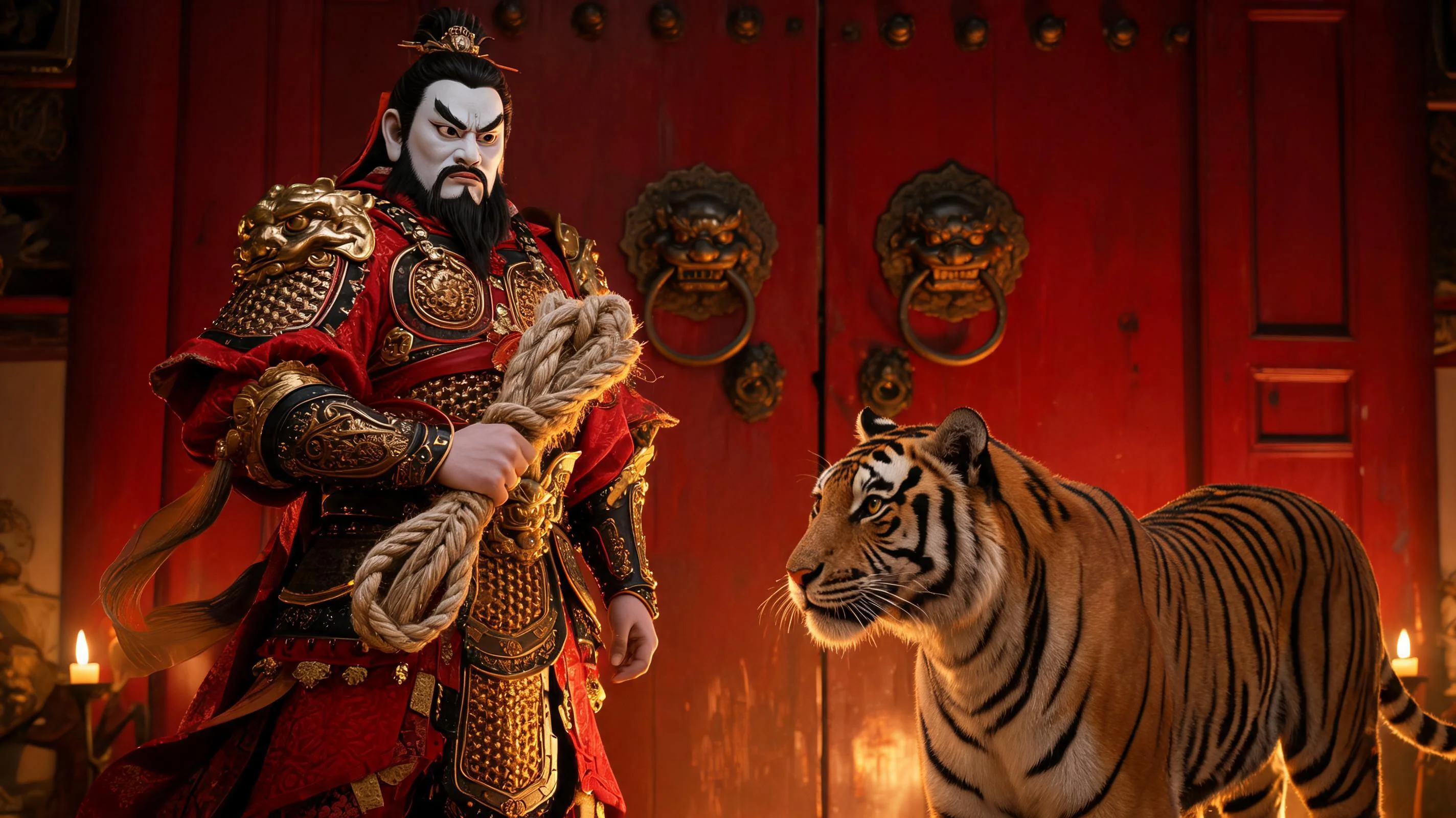
Door God Shentu
门神神荼 · 門神神荼
Venerable Deity of Duoshuo Mountain · Left-Door Door God · Commander-in-Chief of Ten Thousand Ghosts
Divine Office
- Guarding household gates and doors to bar malevolent ghosts and evil spirits from entering
- Commanding all ghosts throughout the realm and restraining demonic hordes from acting wantonly
- Wielding a reed rope to bind evil ghosts and hurling them to tigers for devouring
- Ensuring peace and safety for the entire family, year after year without worry
Origin & Legend
According to ancient texts such as the Shan Hai Jing (Classic of Mountains and Seas), a colossal peach tree grows on Mount Duoshuo in the East Sea, its branches spreading over three thousand li; at the northeast extremity of its boughs lies the Ghost Gate—the passage through which all ghosts enter and depart. The deities Shentu and Yulei were appointed to guard this site beneath the tree, overseeing the ten thousand ghosts: whenever they encountered harmful or malicious spirits, they bound them with reed ropes and cast them to tigers for consumption. Upon learning of this, the Yellow Emperor honoured the two gods with ritual reverence, instituting seasonal exorcistic rites (qu nuo) and ordering people to erect large peach-wood effigies and paint images of Shentu and Yulei on their gateways, suspending reed ropes beside them to repel malevolent spectres. This custom persisted from the pre-Qin era through the Han and Tang dynasties; thus Shentu became the archetypal Door God in China. His image appears repeatedly on stone gateways in Han-dynasty tombs and in New Year woodblock prints across subsequent dynasties, embodying the ancient people’s simple yet profound aspirations to expel evil, invite blessings, and protect home and hearth.
 Wealth
 Safety & Blessing
 Wealth
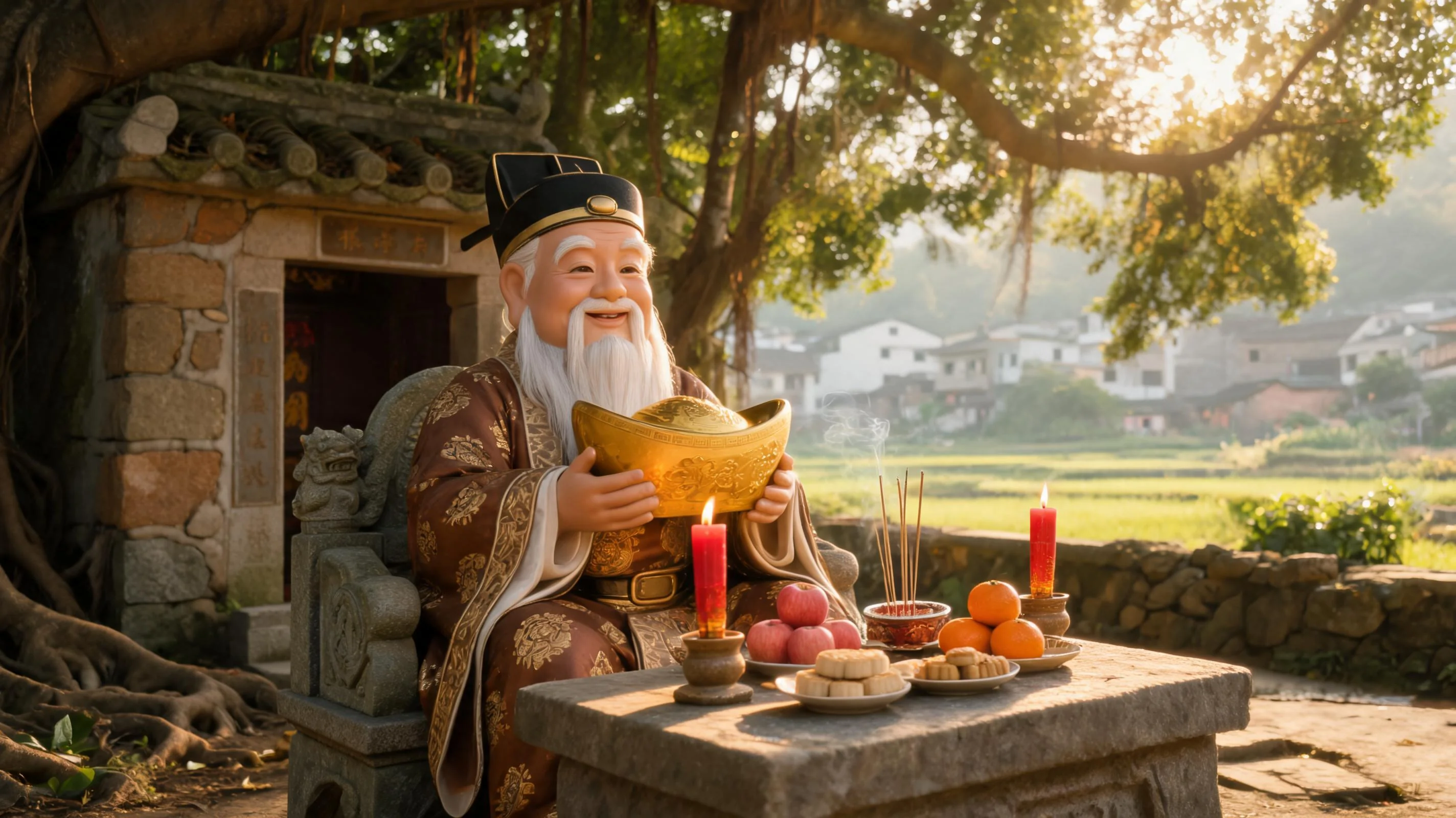 Safety & Blessing
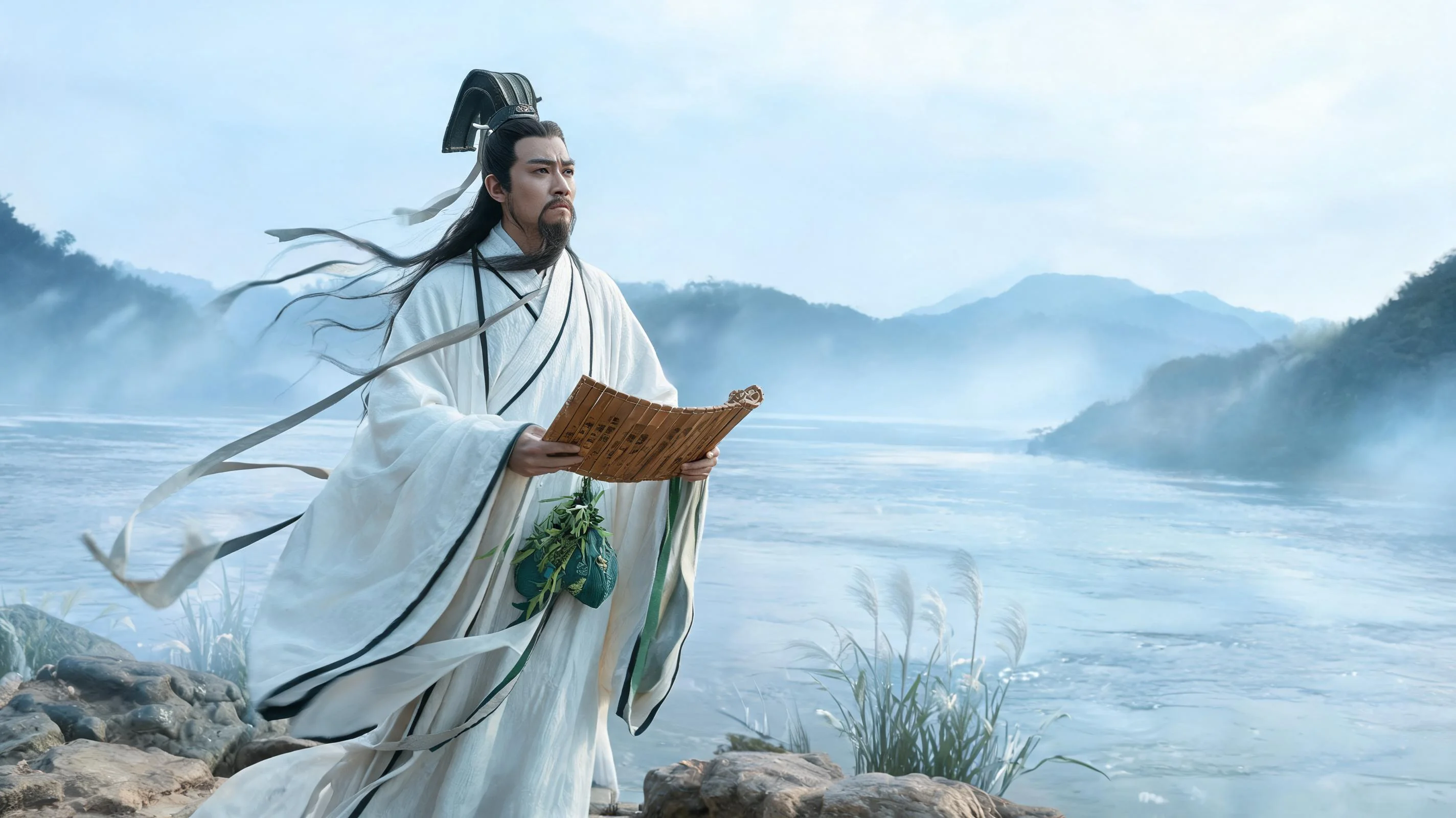 Studies & Exams
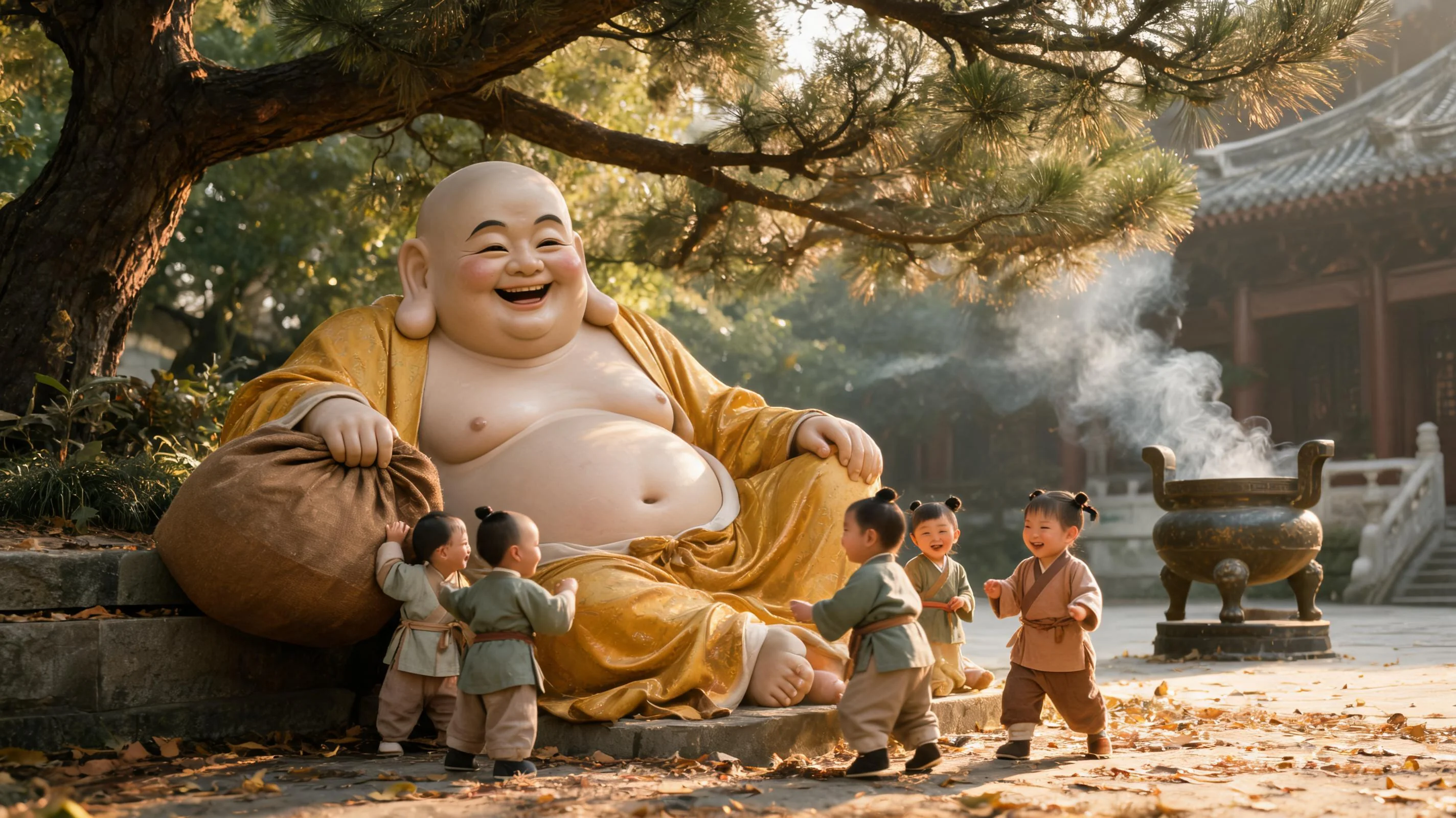 Wealth
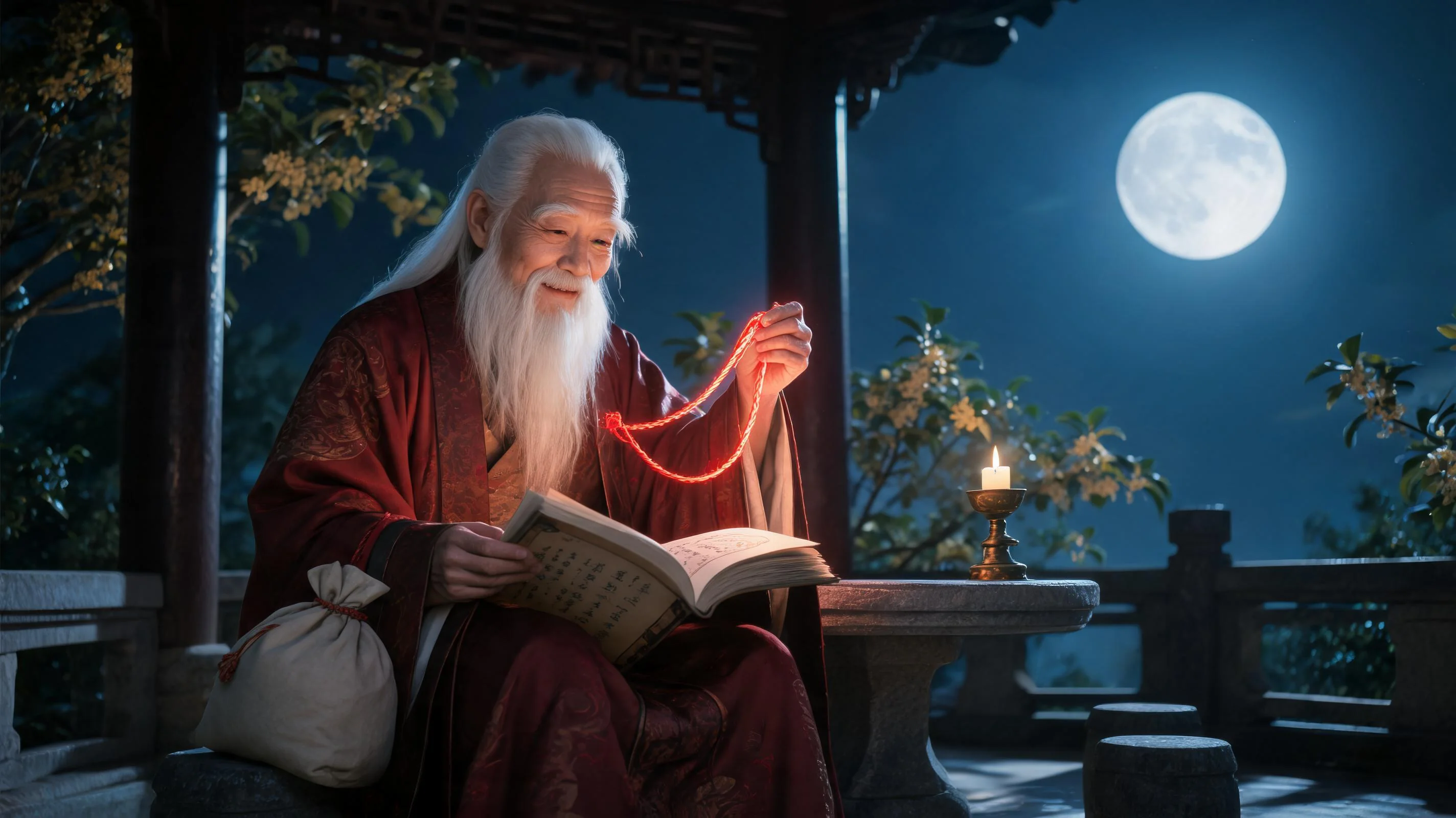 Children & Marriage
 Wealth