
Kuixing (God of Literature)
魁星 · 魁星
The Star Lord Who Points to the Dipper and Governs Literary Fortune
Divine Office
- Oversees literary fortune and civil service examinations
- Determines rankings on the imperial examination honor roll
- Blesses scholars in their academic pursuits and quest for official rank
- Grants the auspicious fortune of standing alone atop the turtle-shaped stone balustrade (a symbol of supreme scholarly achievement)
Origin & Legend
Kuixing is the stellar deity who governs literary fortune and the imperial civil service examinations—originally a personification and popular appellation of the ancient star constellation Kuixiu (the 'Legs' asterism), long associated with literary excellence. In antiquity, the Kuixiu constellation was believed to preside over literature and scholarship, and candidates for the civil service examinations venerated it with particular devotion. Because the character 'kui' (奎) was considered obscure and difficult, it was gradually replaced in popular usage by the homophonous character 'kui' (魁), meaning 'chief' or 'foremost', and the deity was given an increasingly vivid, almost grotesque anthropomorphic form: blue-skinned and red-haired, resembling a fearsome demon; holding a vermilion brush in his right hand and a carpenter’s ink marker in his left; standing triumphantly upon the head of a giant turtle—a motif known as 'standing alone atop the turtle', symbolising unrivalled scholarly distinction; and raising his left leg in a distinctive backward curve, mirroring the hook-shaped stroke of the character 'kui'. Thus arose the idioms 'Kuixing points to the Dipper' and 'standing alone atop the turtle', both signifying supreme academic achievement. The 7th day of the 7th lunar month is traditionally observed as Kuixing’s birthday; in former times, scholars would worship him on this day and hold festive 'Kuixing assemblies', invoking the auspicious connotation of 'Kuixing seizing first place'. Even today, students preparing for examinations or seeking academic advancement continue to visit Kuixing Pavilions and Wenchang Pavilions nationwide to offer incense and prayers. Throughout history, such pavilions were erected in virtually every prefecture and county renowned for its scholarly tradition and literary flourishing.
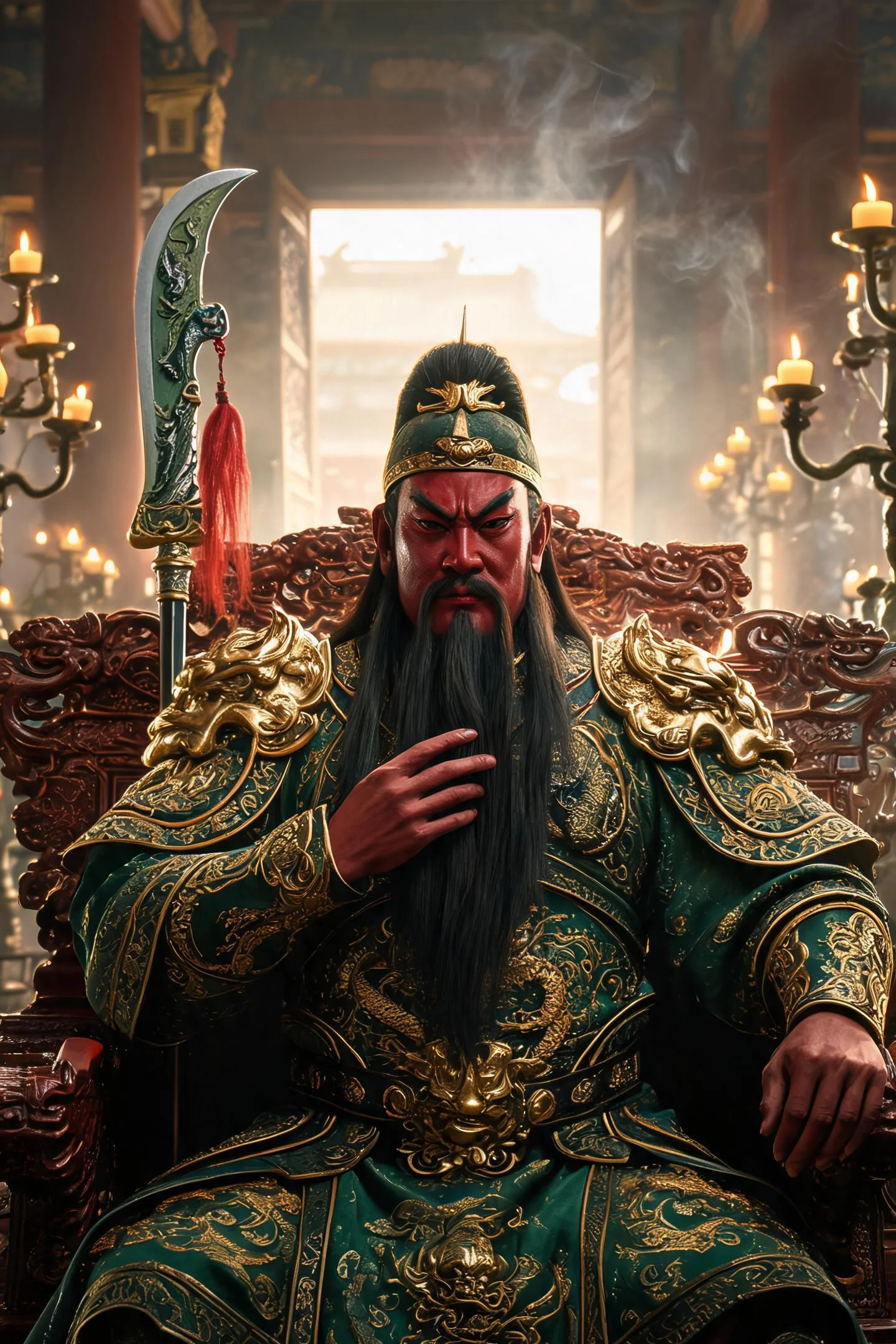 Wealth
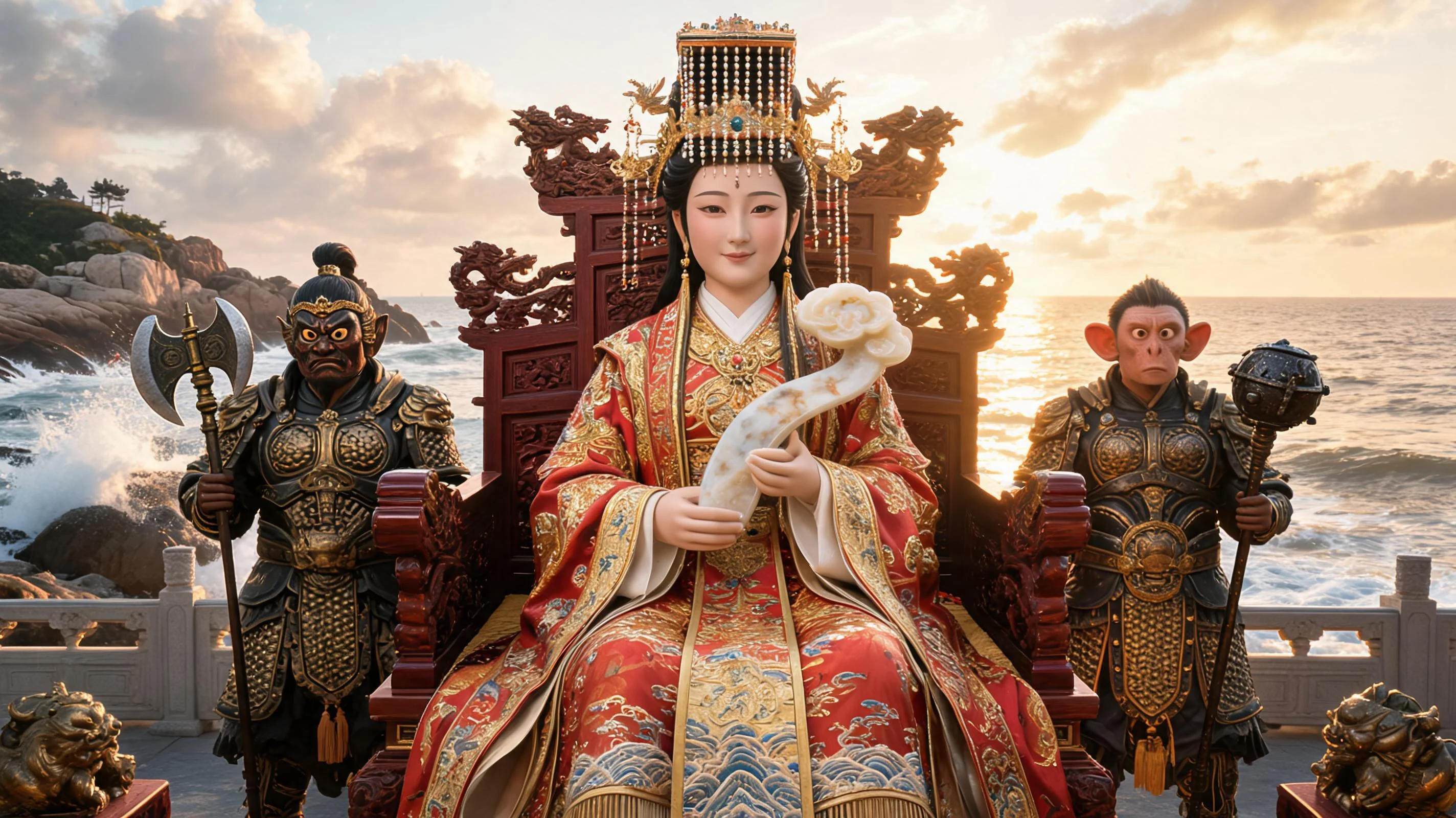 Safety & Blessing
 Wealth
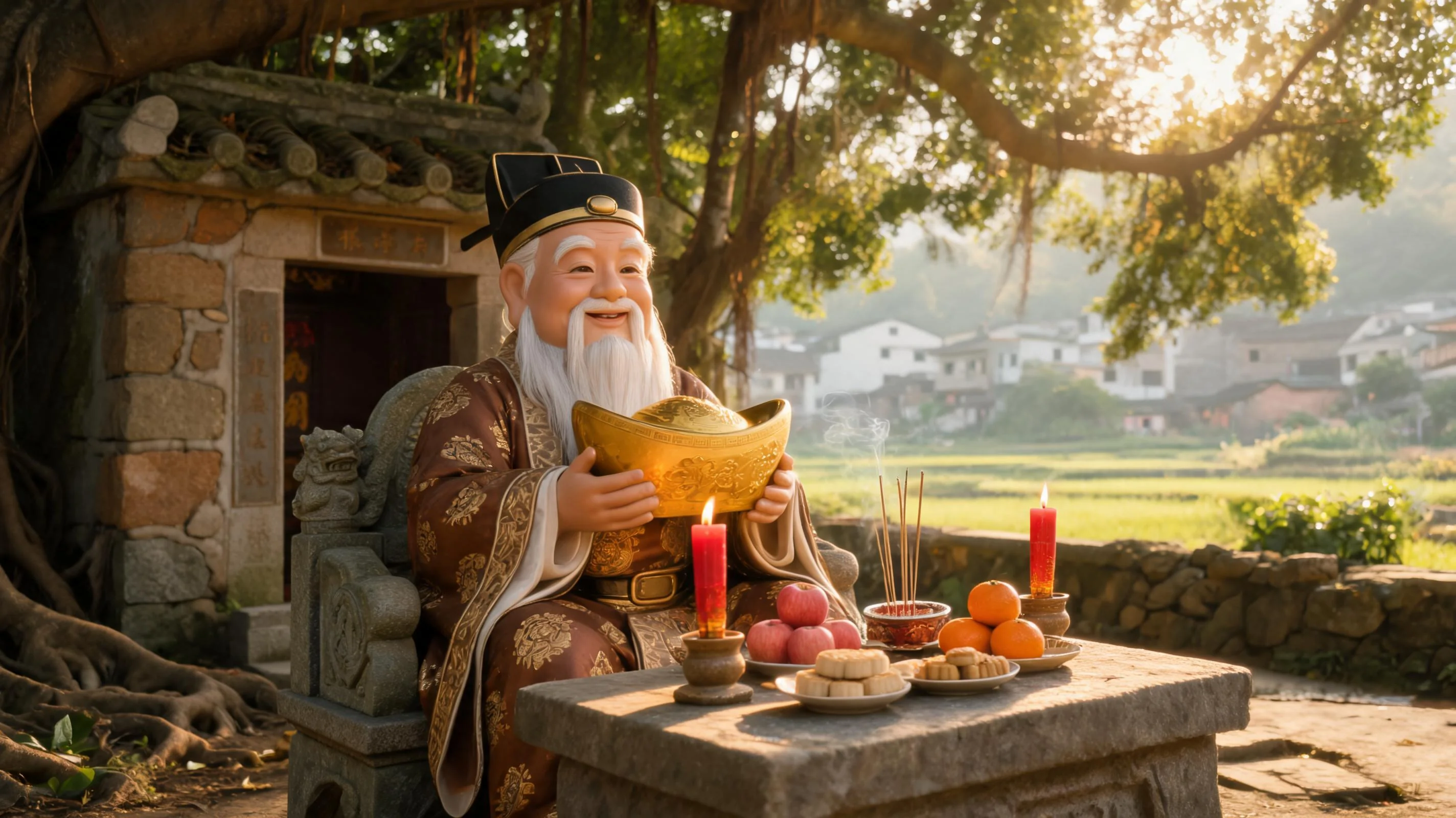 Safety & Blessing
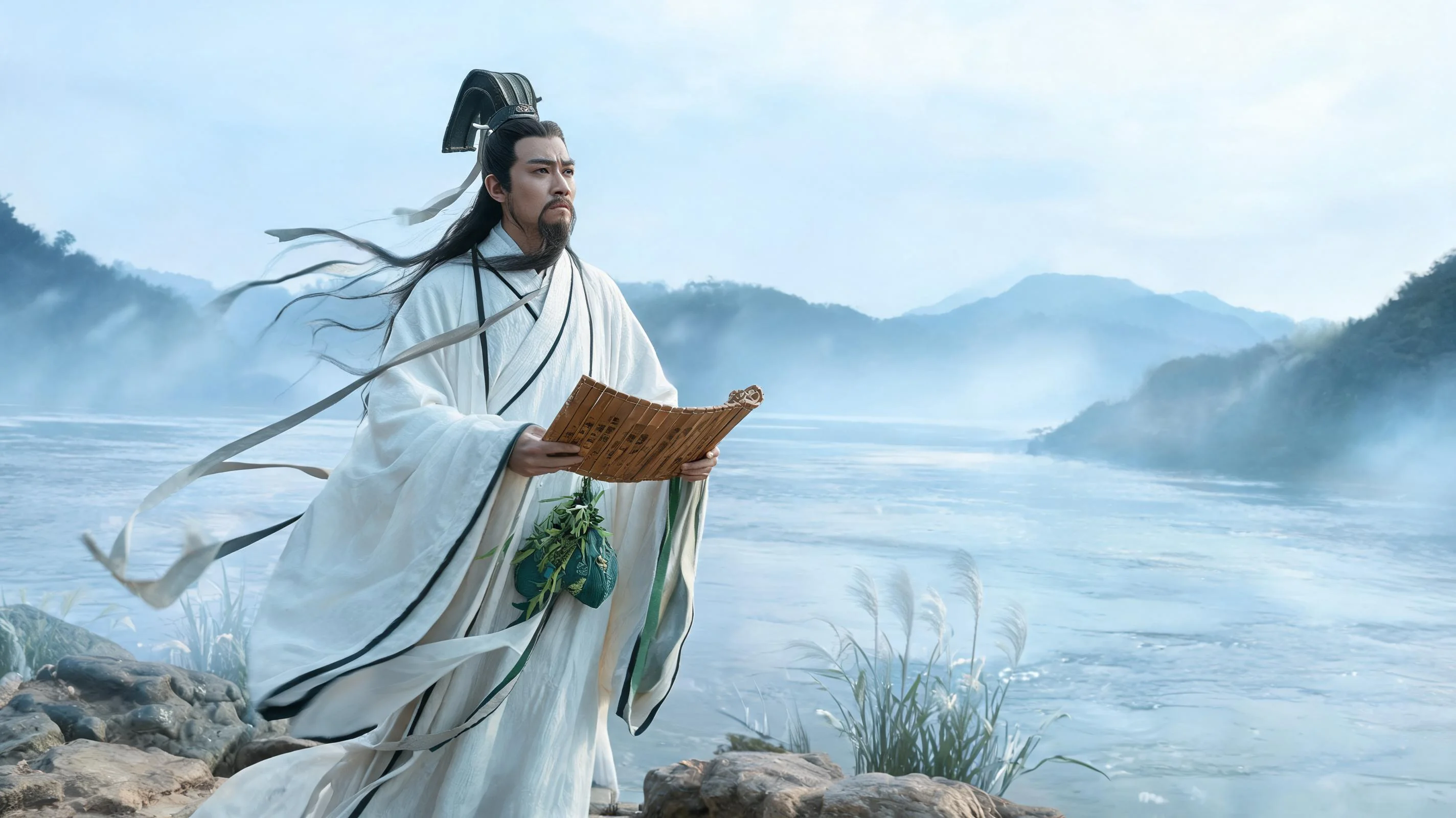 Studies & Exams
 Wealth
 Children & Marriage
 Wealth