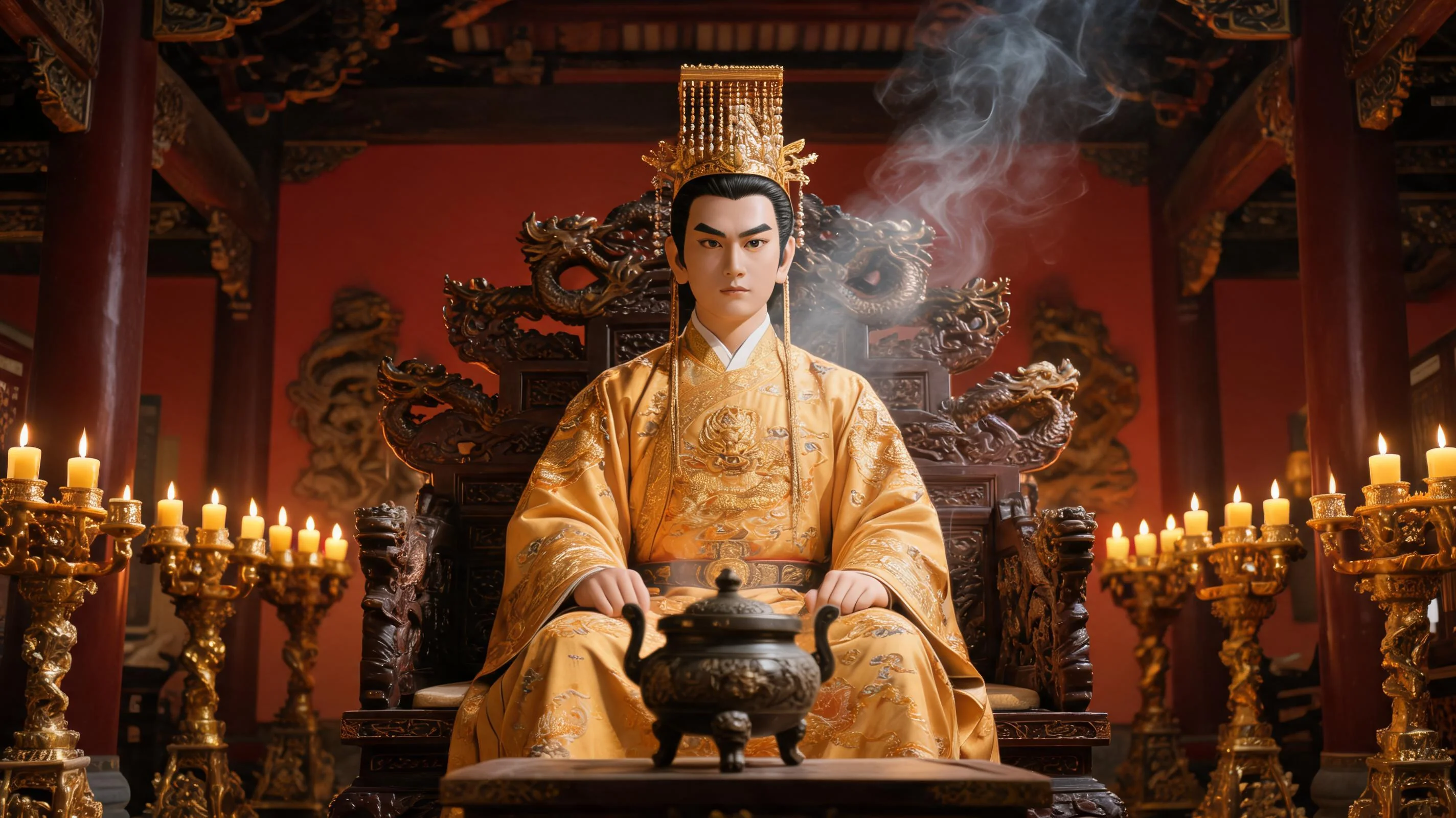
Guangze Zunwang
广泽尊王 · 廣澤尊王
Guo Shengwang (Lord Guo), the Honorable and Revered King of Vast Benevolence
Divine Office
- Guarding native soil and ensuring peace and security within local borders
- Protecting overseas Chinese migrants during their voyages and ensuring prosperity for their households
- Warding off disasters and curing illnesses, responding unfailingly to all petitions
- Presiding over Fengshan Mountain and overseeing the fengshui of the southern Quanzhou region
Origin & Legend
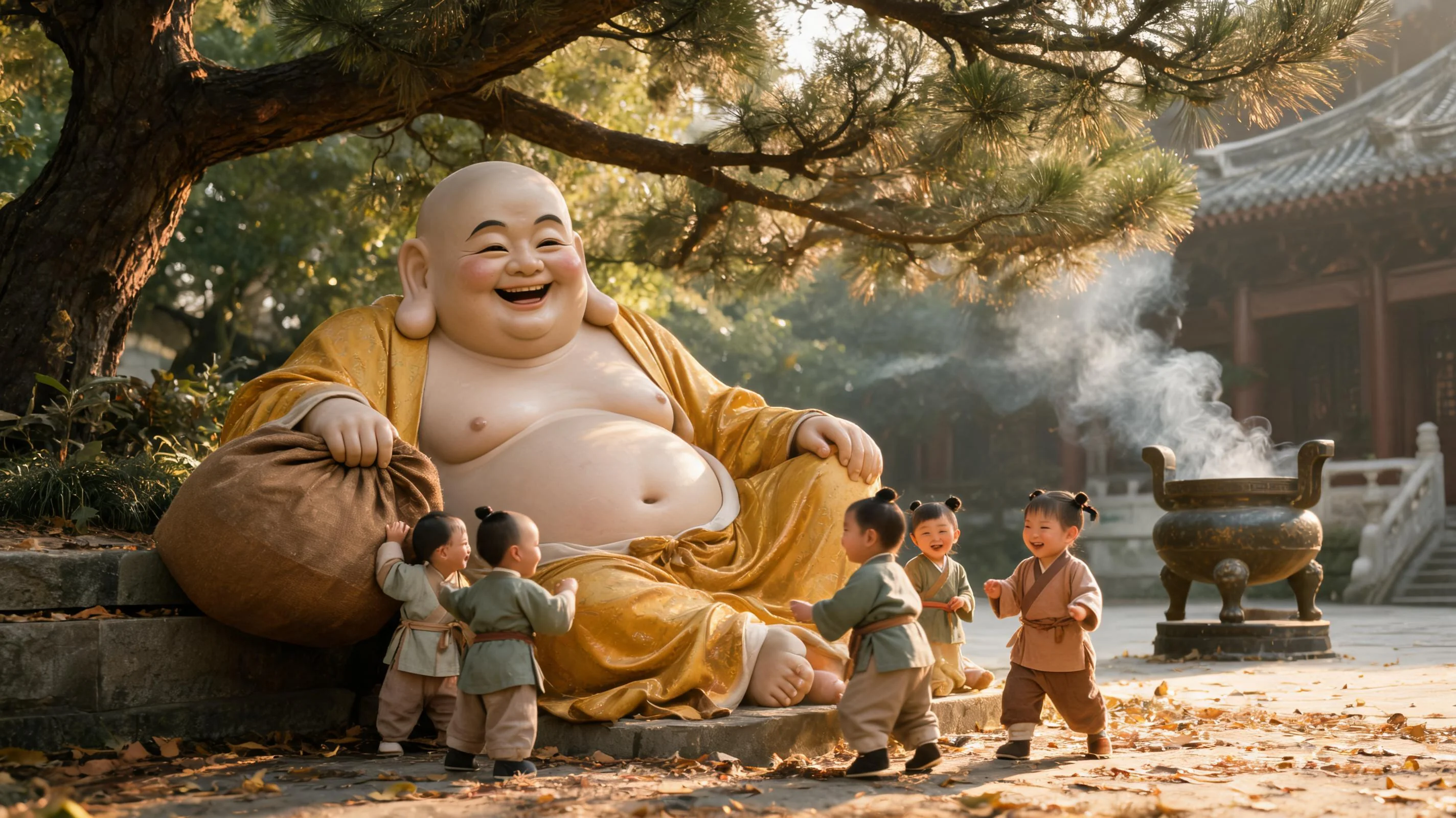
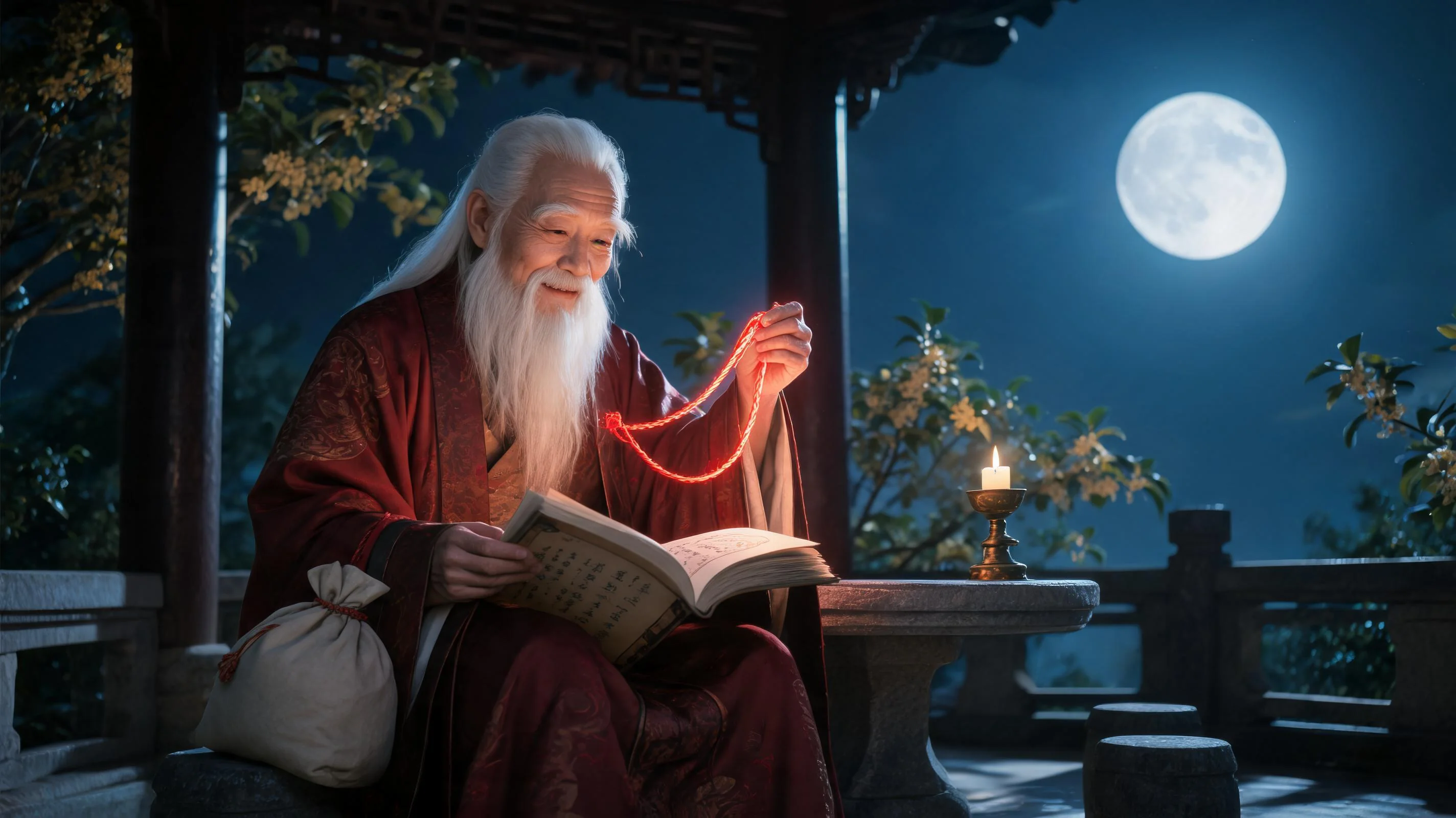
Guangze Zunwang’s secular name was Guo Zhongfu, a native of Shishan, Nan'an, during the Later Jin dynasty of the Five Dynasties period. Orphaned young, he worked as a servant while dutifully caring for his mother. Legend recounts that at age sixteen, he climbed Fengshan Mountain carrying a bow and wine, and achieved spiritual transcendence—sitting in meditation beneath an ancient, gnarled vine—whereupon he passed into divinity. Villagers, awestruck by his miraculous manifestations, erected a temple in his honour. From the Song dynasty onward, successive imperial courts conferred upon him increasingly august titles, culminating in 'Wei Zhen Zhong Ying Fu Hui Wei Wu Ying Lie Bao An Guang Ze Zun Wang' (The Honorable and Revered King of Vast Benevolence, Mighty and Stabilising, Loyal and Responsive, Benevolent and Gracious, Valiant and Martial, Heroic and Fierce, Guardian of Peace). He is popularly known as Guo Shengwang (Lord Guo the Sage-King). As southern Fujianese migrated across the seas, they carried this faith to Taiwan and maritime Southeast Asia; nearly every overseas community tracing its roots to Quanzhou venerates Guangze Zunwang. Each year on the 22nd day of the 8th lunar month—the deity’s birthday—pilgrims flood Fengshan Temple in Nan'an, while overseas Chinese journey thousands of miles home to pay homage, making Guangze Zunwang a vital spiritual and cultural linchpin binding the Minnan homeland with its global diaspora through shared ancestry and nostalgic longing.
 Wealth
 Safety & Blessing
 Wealth
 Safety & Blessing
 Studies & Exams
 Wealth
 Children & Marriage
 Wealth