
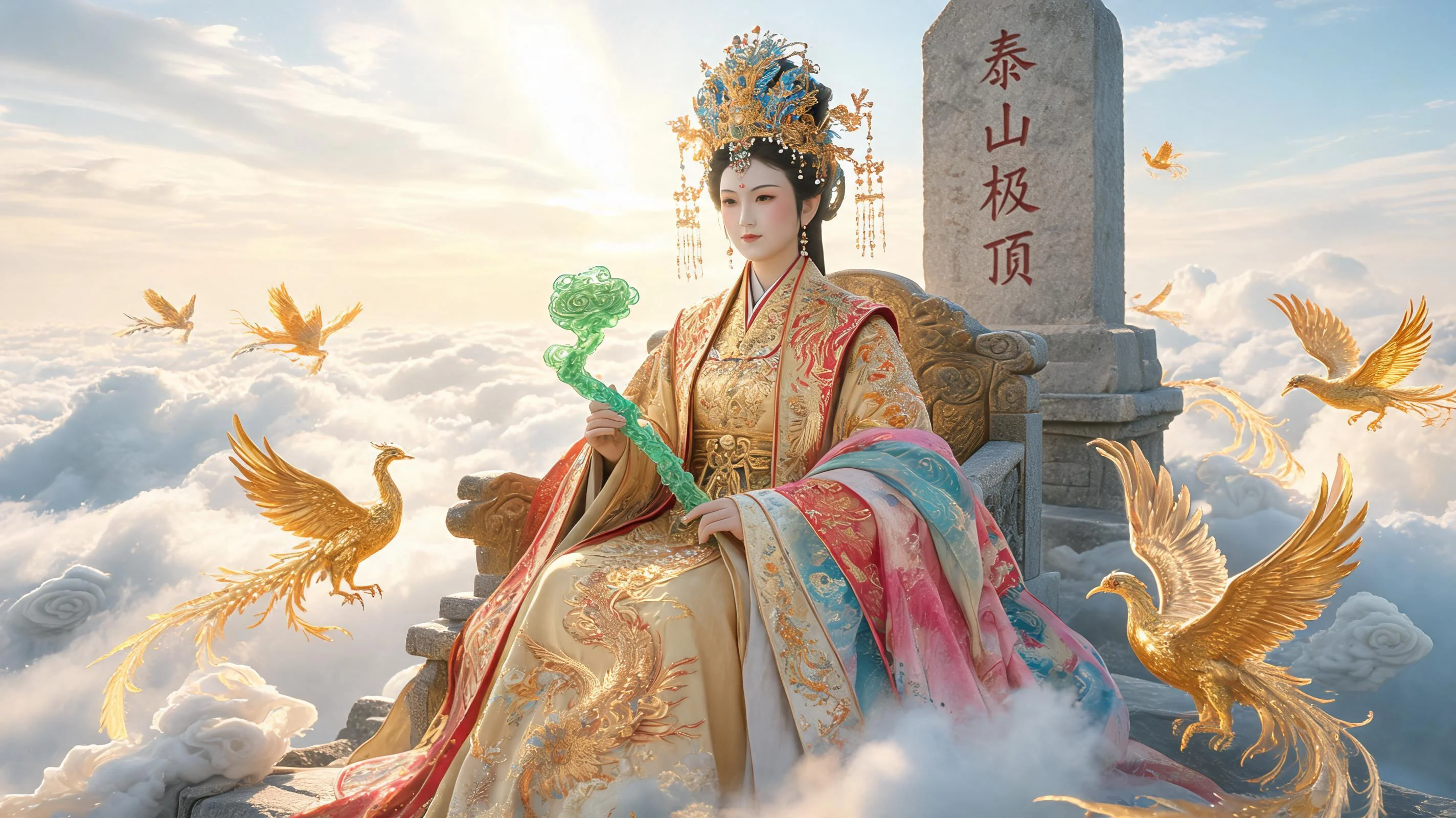
Great Emperor of Mount Tai
东岳大帝 · 東嶽大帝
Heavenly Qi and Benevolent Holy Great Emperor of Mount Tai
Divine Office
- Sovereign of Mount Tai—the foremost of the Five Sacred Mountains—and arbiter of auspiciousness, misfortune, fortune, and calamity throughout heaven, earth, and humanity
- Ruler of the netherworld and overseer of the registers of life and death for both humans and spirits
- Governor of human rank, status, social standing, and lifespan
- Supreme commander of all deities, guardian of national prosperity and civilian peace
Origin & Legend
Dongyue Dadi is the supreme deity of Mount Tai, the foremost of China’s Five Sacred Mountains, whose veneration originates in ancient mountain worship. As Mount Tai lies in the east—the direction associated with birth, growth, and vital generative energy—ancient Chinese believed that human souls returned to Mount Tai after death. Consequently, Dongyue Dadi assumed dual dominion over mortal fate—including rank, fortune, and longevity—and the administration of the underworld. Successive emperors performed the fengshan sacrifices on Mount Tai to report their achievements to heaven and pay homage to Dongyue Dadi; Emperor Xuanzong of the Tang dynasty enfeoffed him as the King of Heavenly Qi, and Emperor Zhenzong of the Song dynasty elevated his title to the Heavenly Qi and Benevolent Holy Emperor. Historically, Dongyue Temples were erected across the empire as his official palaces; on his birthday—the 28th day of the 3rd lunar month—grand temple fairs drew vast crowds offering incense for longevity and fulfilling vows. In popular belief, Dongyue Dadi presides over the underworld judiciary, assisted by seventy-two subordinate bureaus responsible for adjudicating karma and overseeing reincarnation—making him a unique synthesis of nature deity and sovereign ruler of the afterlife.
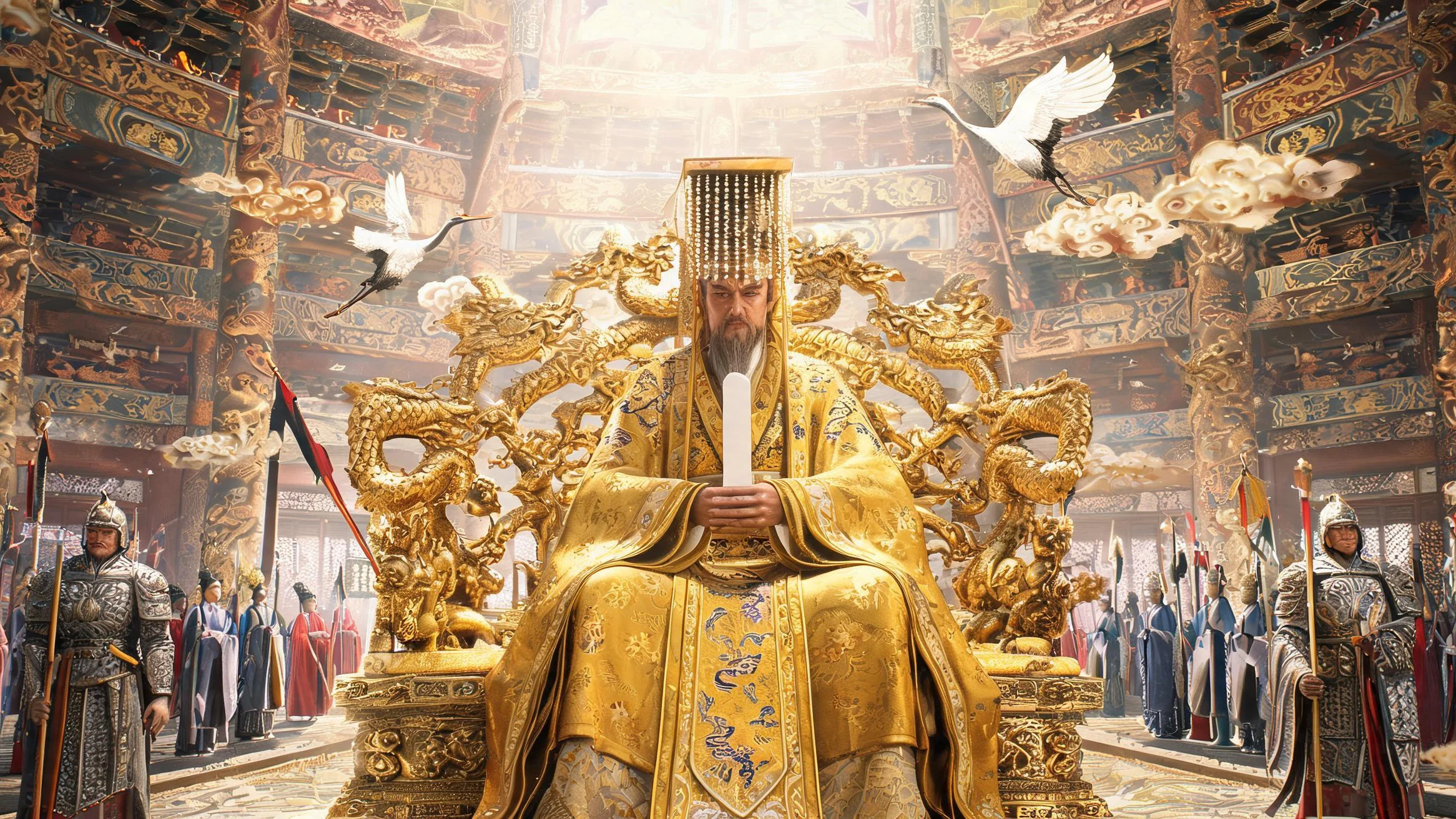 Safety & Blessing
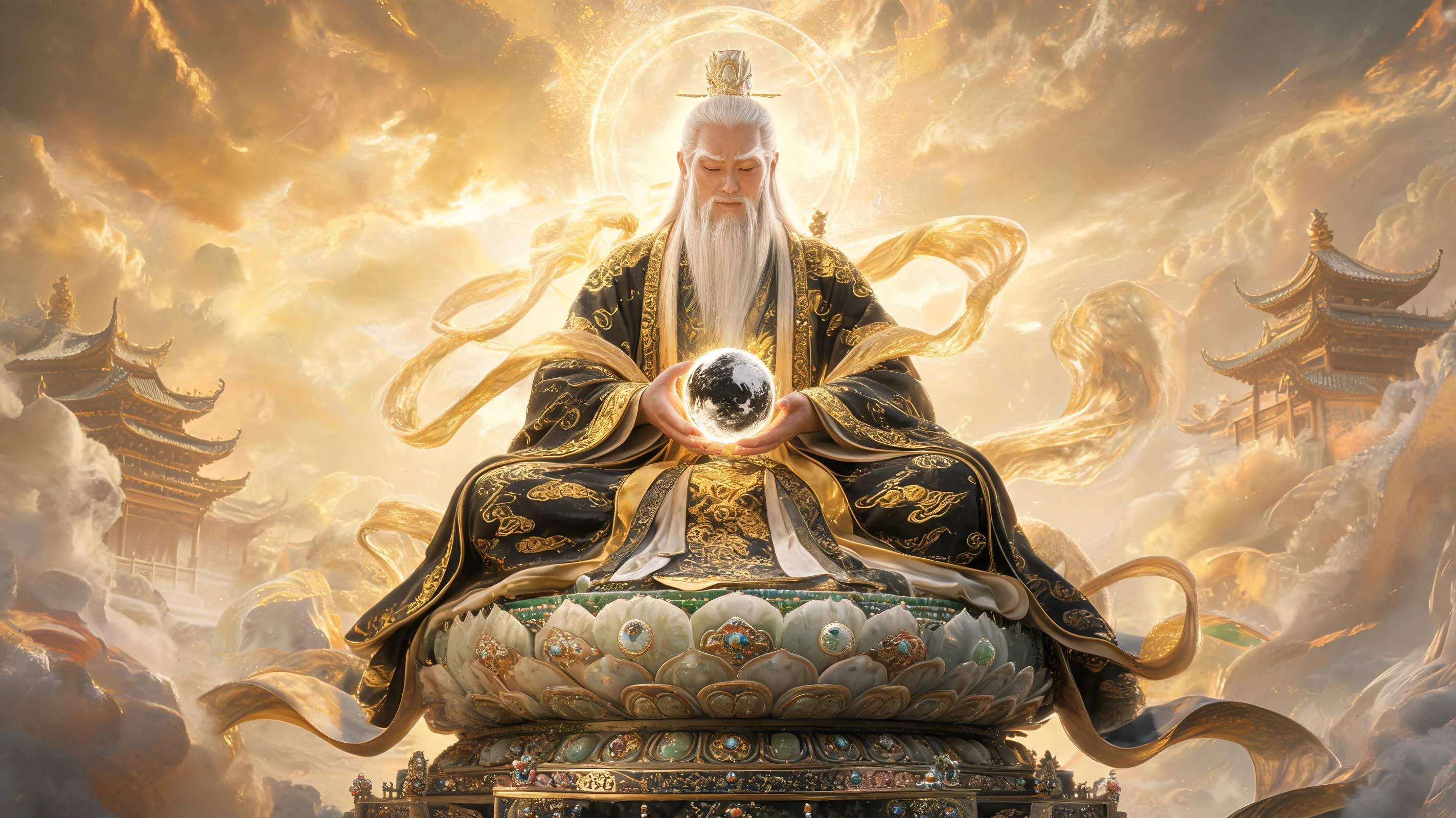 Safety & Blessing
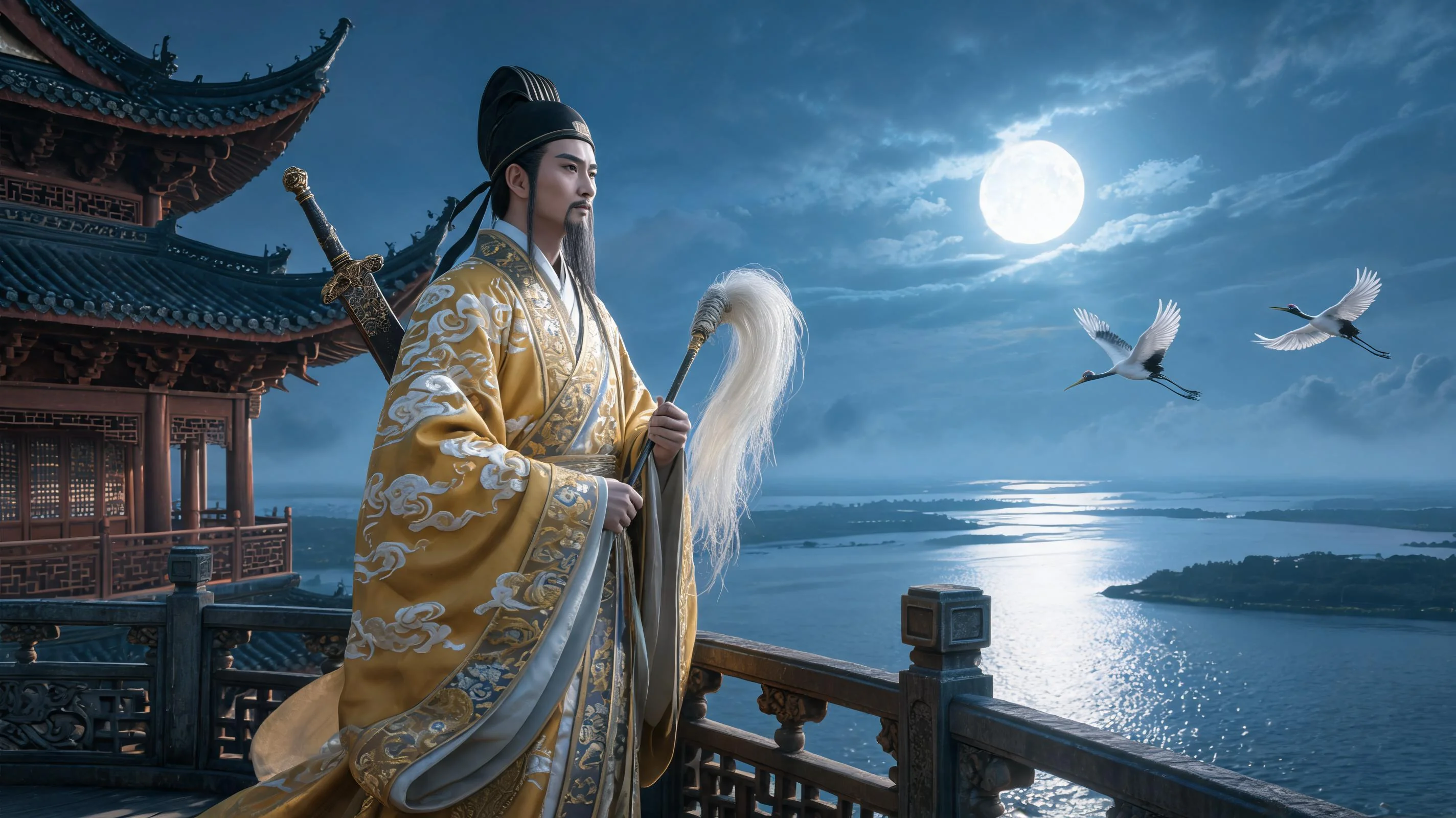 Health & Averting Calamity
 Studies & Exams
 Children & Marriage
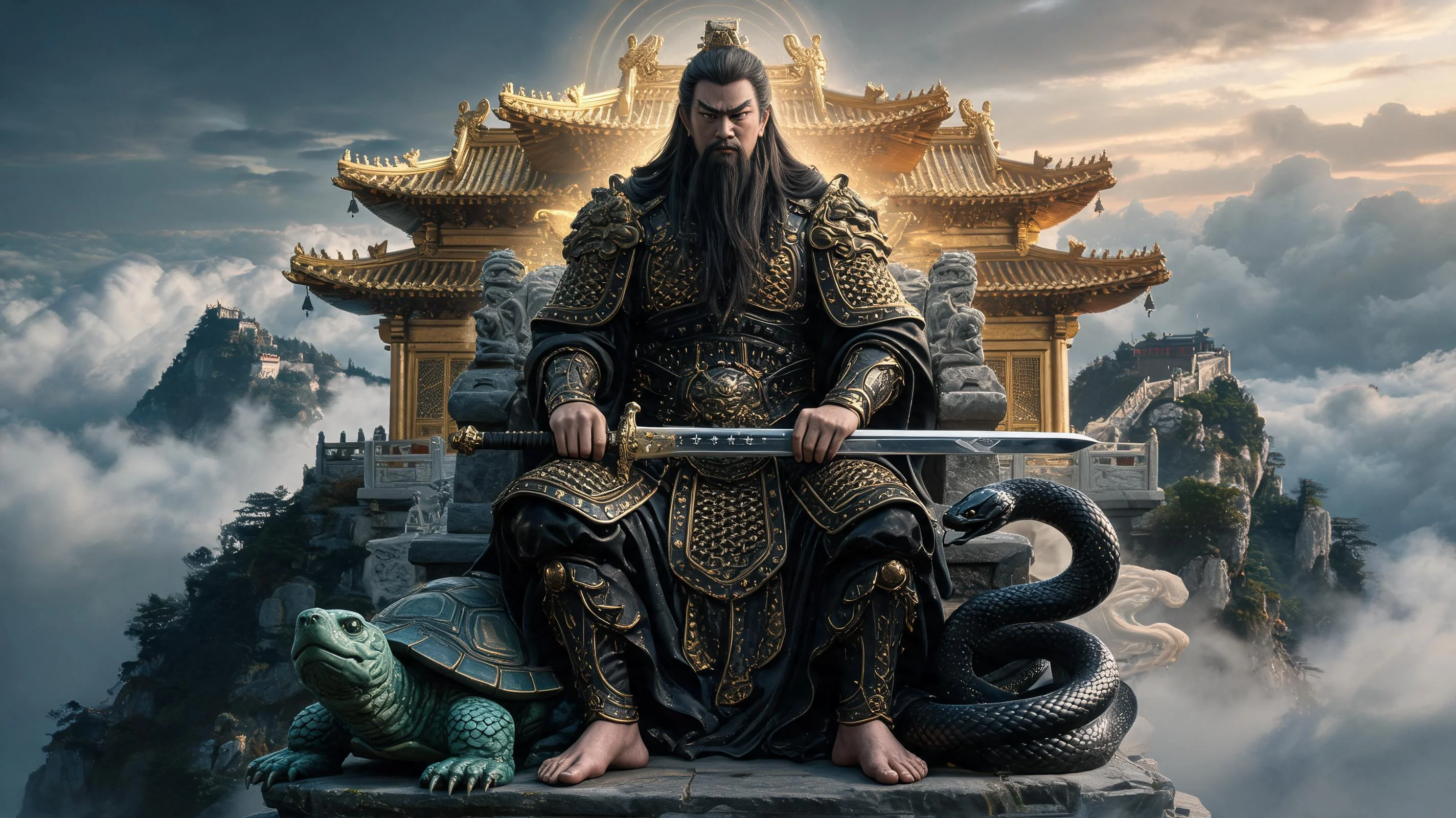 Warding Off Evil
 Safety & Blessing
 Children & Marriage