
Donghua Dijun
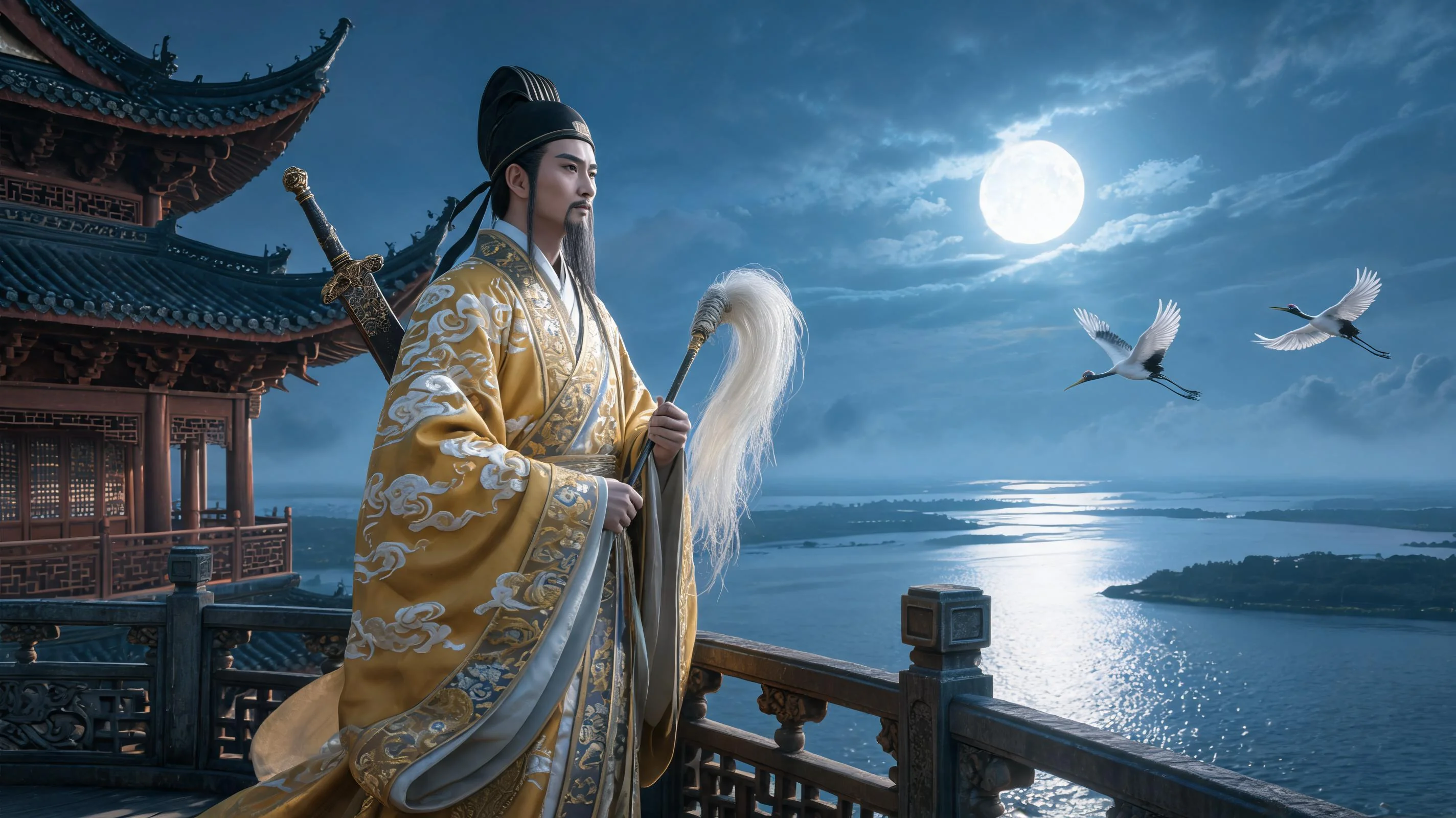
东华帝君 · 東華帝君
Donghua Zifu Shaoyang Dijun (Lord of the Eastern Radiance Purple Mansion and Sovereign of the Lesser Yang)
Divine Office
- Supreme sovereign of all male immortals, commanding all male cultivators who have attained transcendence across the Three Realms
- Master of the Lesser Yang Qi of the East, overseeing the celestial register of immortals and their sacred names
- Co-regent with the Queen Mother of the West (Xiwangmu) over the dual forces of Yin and Yang, thereby nurturing and transforming all things
- First patriarch of the Northern Five Ancestors of the Quanzhen Daoist tradition, protector and patron of all Daoist cultivators
Origin & Legend
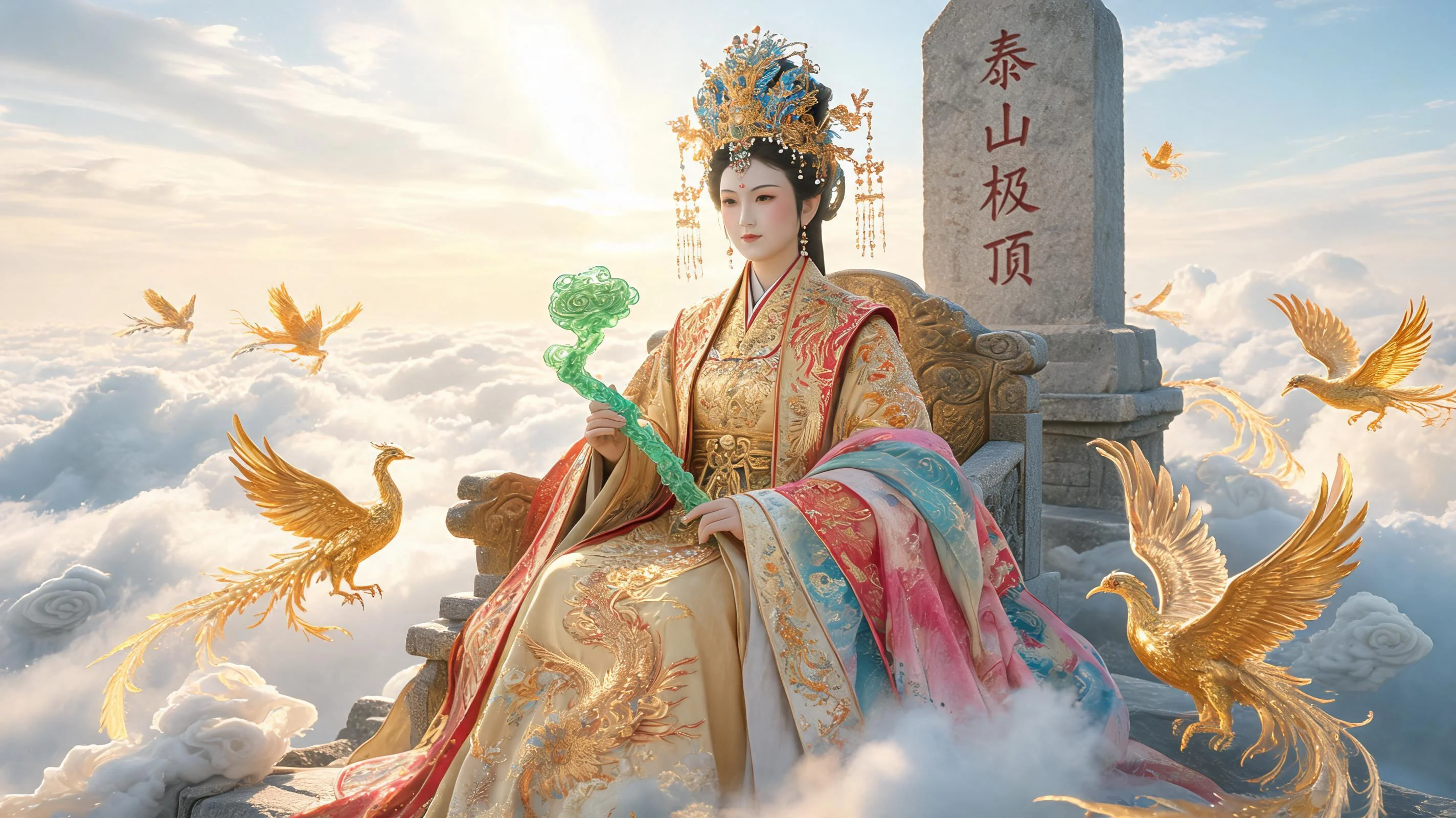
Donghua Dijun is also known as Dongwanggong (Lord of the East) or Mugong (Lord of the Tree), and together with the Queen Mother of the West (Xiwangmu) forms a divine pair presiding over the complementary forces of Yin and Yang. According to Daoist scriptures, all male immortals who attain transcendence fall under his jurisdiction; any soul ascending to immortality must first pay homage to Dongwanggong before appearing before Xiwangmu. His cult was already widespread during the Han dynasty, and pictorial stone carvings frequently depict Dongwanggong and Xiwangmu seated symmetrically on left and right, embodying this sacred duality. During the Jin and Yuan dynasties, with the rise of the Quanzhen School of Daoism, he was enshrined as the First Patriarch among the Northern Five Ancestors—identified as Wang Xuanfu, Donghua Dijun—and revered as the source from whom Zhongli Quan and Lü Dongbin received their transmission. Popular awareness of Donghua Dijun appears widely in vernacular literature such as the novel Journey to the West and in local temples dedicated to immortals. As sovereign of the Lesser Yang Qi of the East—the vital, generative force associated with dawn, spring, and renewal—he is also venerated as a guardian of Daoist cultivation and a bestower of spiritual vitality and life-force.
 Safety & Blessing
 Safety & Blessing
 Health & Averting Calamity
 Studies & Exams
 Children & Marriage
 Warding Off Evil
 Safety & Blessing
 Children & Marriage