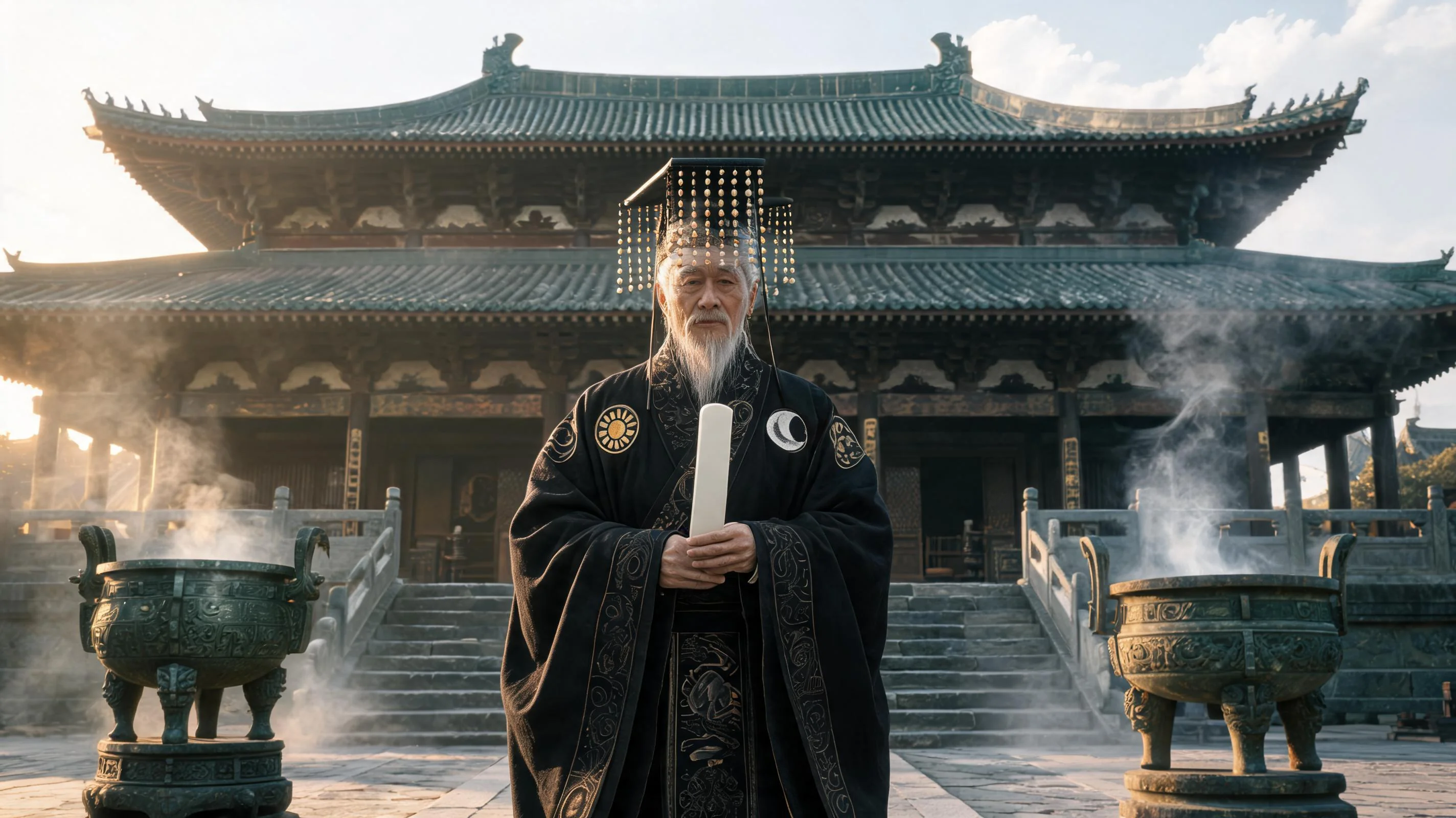
Duke of Zhou
周公 · 周公
Sage of Ritual and Music · Deity of Dream Interpretation
Divine Office
- Safeguarding ritual and musical education
- Protecting dream divination and interpretation
- Ensuring peaceful and restful sleep
- Inspiring the creation of ritual systems and musical compositions
- Guarding loyal and diligent governance
Origin & Legend
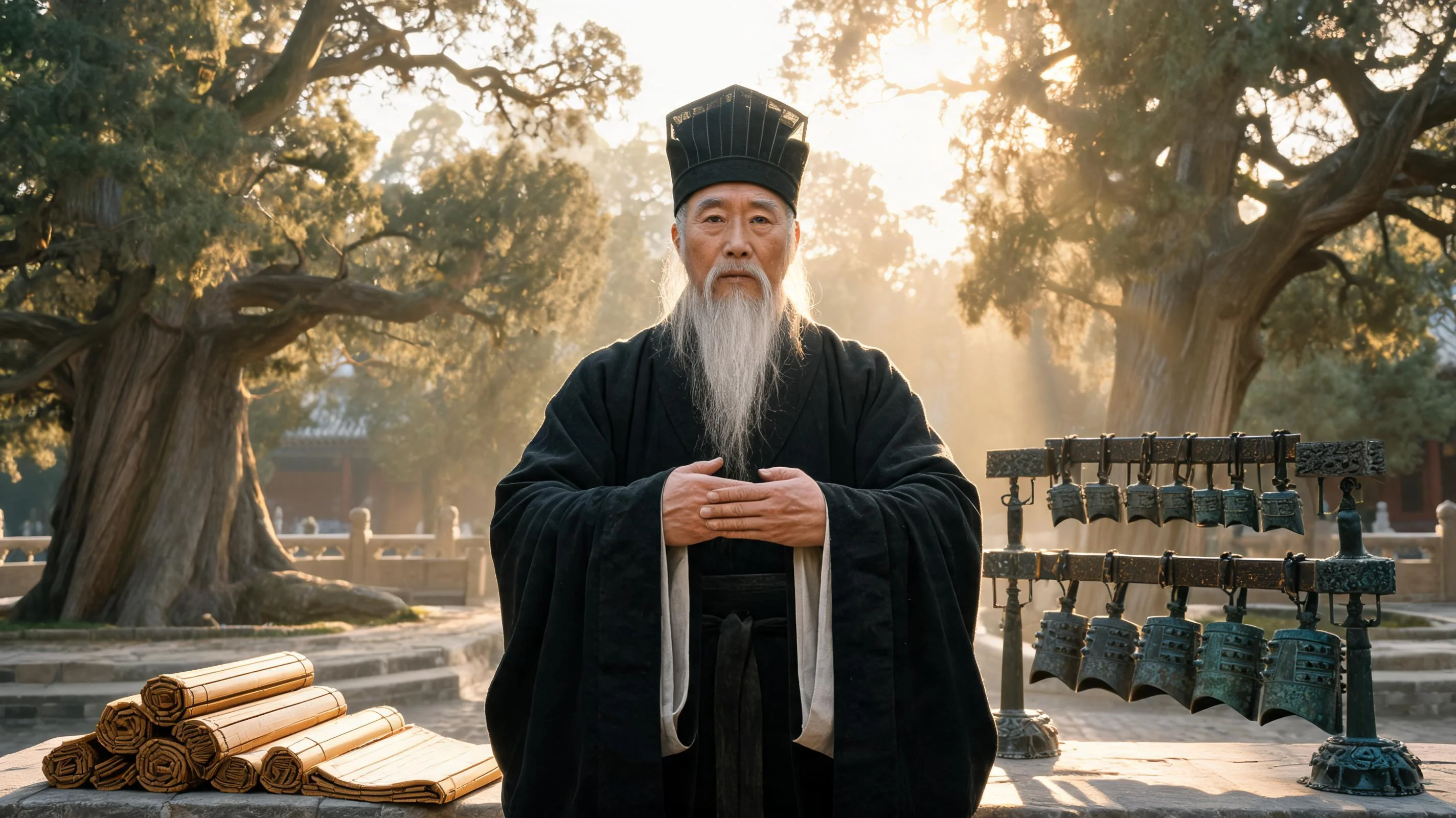
Zhou Gong’s given name was Dan; he was the son of King Wen of Zhou and younger brother of King Wu. He assisted King Wu in overthrowing the Shang dynasty, then served as regent for the young King Cheng after King Wu’s death, quelling the Rebellion of the Three Guards and overseeing the construction of Chengzhou (the eastern capital) at Luoyi. He instituted the ritual and music system and established the patriarchal enfeoffment system, laying the foundation for centuries of Zhou civilisation rooted in ritual and music. Confucius held him in lifelong veneration, declaring, 'How rich and splendid were its rites and music—I follow the Zhou!' In his later years, Confucius lamented, 'It has been long since I last dreamed of the Duke of Zhou'—a phrase that evolved into the idiom 'dreaming of the Duke of Zhou', signifying sleep itself, and led folk tradition to revere Zhou Gong as the Deity of Dream Interpretation, with numerous dream-interpretation manuals attributed to his name. The Zhou Gong Temple at Juan’a in Qishan County has been consecrated since the Tang dynasty, with seasonal rituals performed there continuously, sustaining an unbroken lineage of incense and devotion.
 Studies & Exams
 Health & Averting Calamity
 Safety & Blessing
 Health & Averting Calamity
 Health & Averting Calamity
 Studies & Exams
 Safety & Blessing
 Studies & Exams