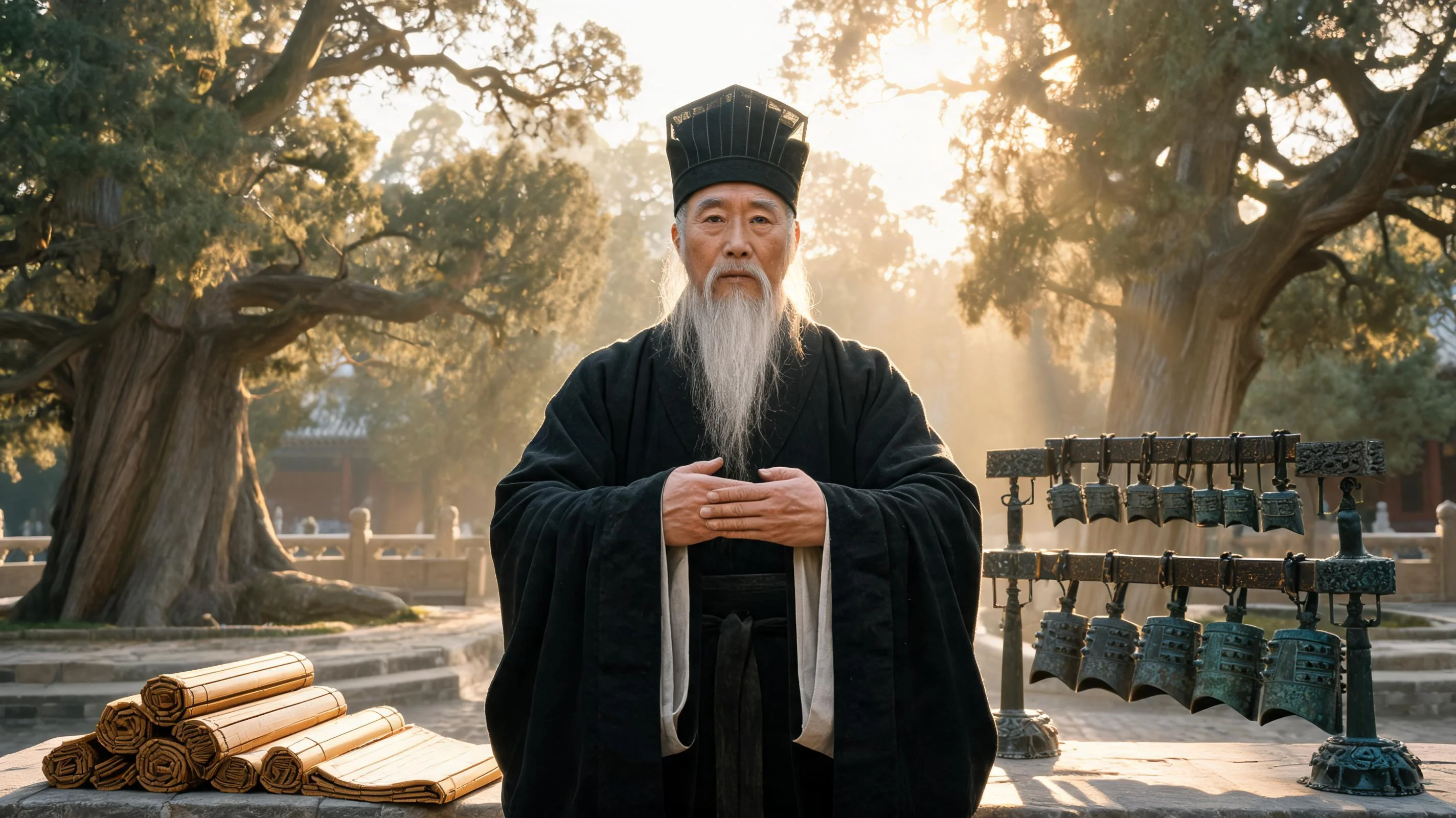
Confucius
孔子 · 孔子
The Supreme Sage and Perfected Teacher, Exemplar for Ten Thousand Generations
Divine Office
- Blessing students with success in imperial examinations and scholarly achievement
- Protecting scholars to foster quick wit, lucid thinking, and intellectual awakening
- Safeguarding the dignity of teachers and promoting flourishing moral education
- Overseeing literary fortune, civil service examinations, and ethical instruction
Origin & Legend
Confucius, personal name Qiu, style name Zhongni, was a native of Zouyi in the State of Lu during the late Spring and Autumn period. He stands as ancient China’s greatest philosopher and educator. He pioneered private schooling, teaching without discrimination—tradition holds he instructed three thousand disciples, seventy-two of whom attained exceptional virtue and wisdom. In his later years, he edited the Six Classics, and his teachings and conversations were compiled by his disciples into the Analects. After Emperor Wu of the Han dynasty abolished the Hundred Schools of Thought and enshrined Confucianism as state orthodoxy, Confucius was posthumously honored as the Supreme Sage and Perfected Teacher, receiving the highest sacrificial rites (tailao) from imperial courts and inspiring the construction of Confucian temples (wenmiao) throughout prefectures and counties. For over two millennia, students have paid homage to Confucius before sitting imperial examinations, and new academic terms traditionally open with ritual bows to the Supreme Sage and First Teacher. His teachings have profoundly shaped the moral character and cultural ethos of Chinese civilization. The incense of Confucian temples has burned continuously for more than twenty centuries, embedding reverence for teachers and respect for learning deep within the nation’s collective consciousness.
 Health & Averting Calamity
 Safety & Blessing
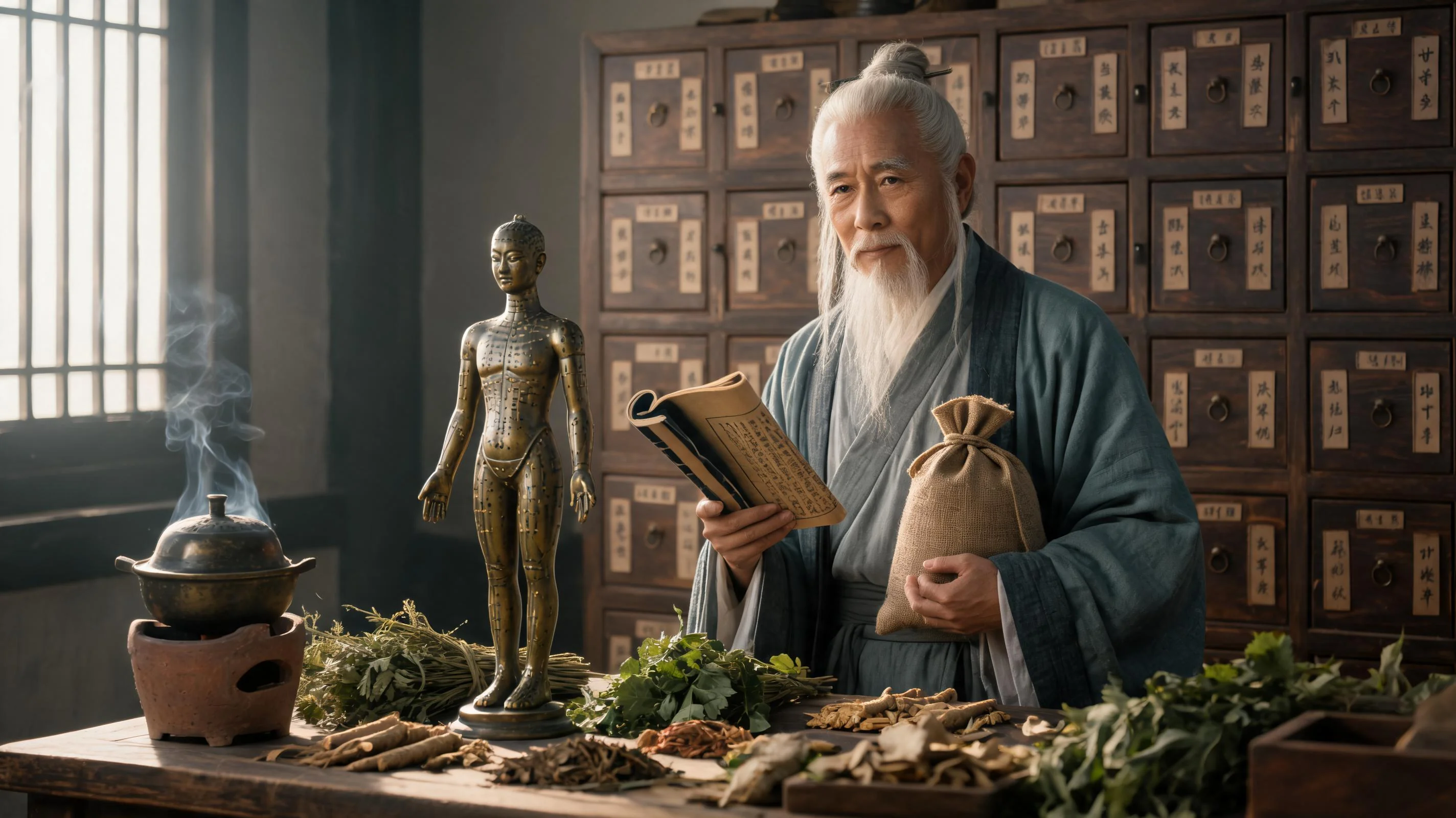 Health & Averting Calamity
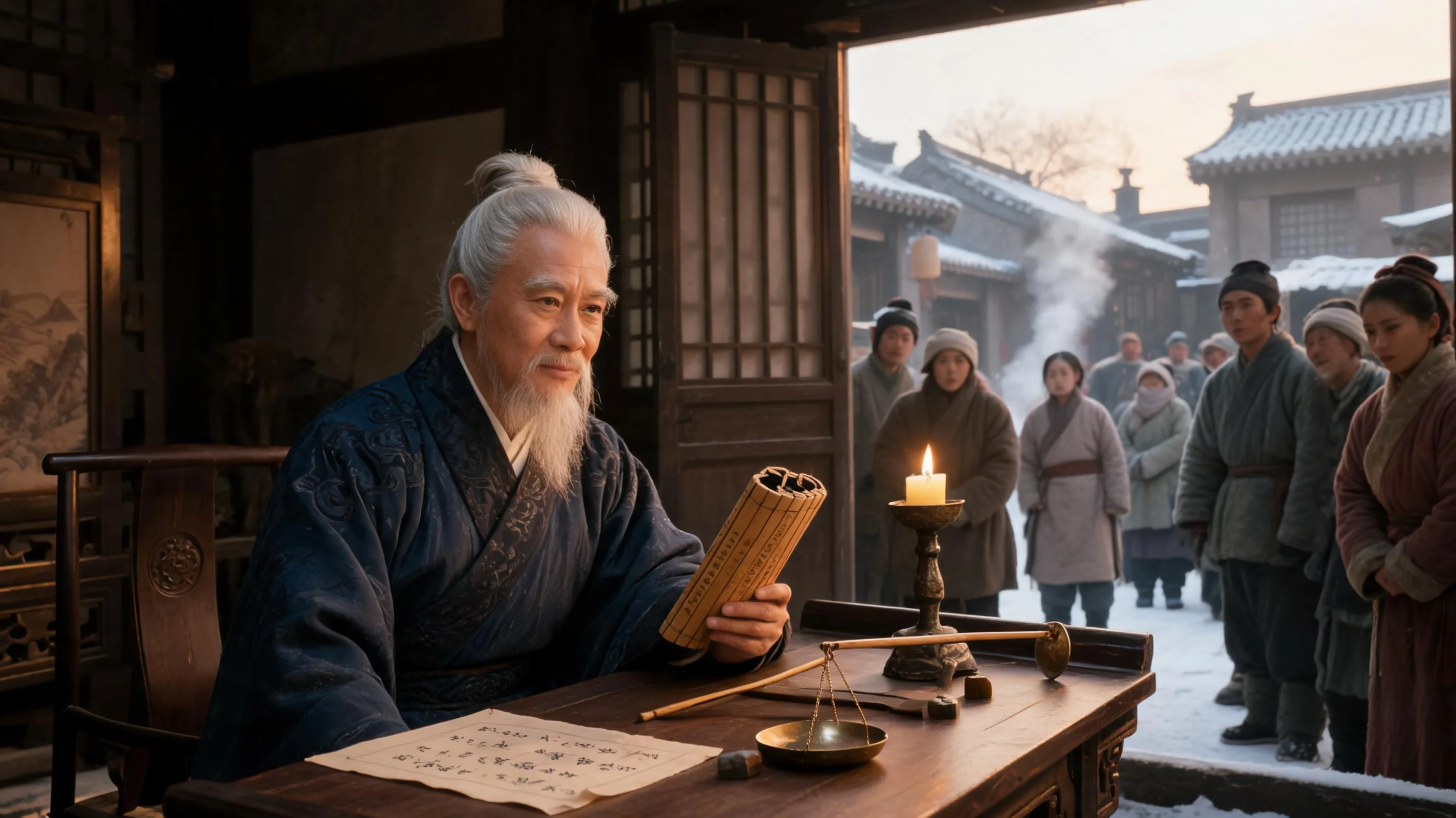 Health & Averting Calamity
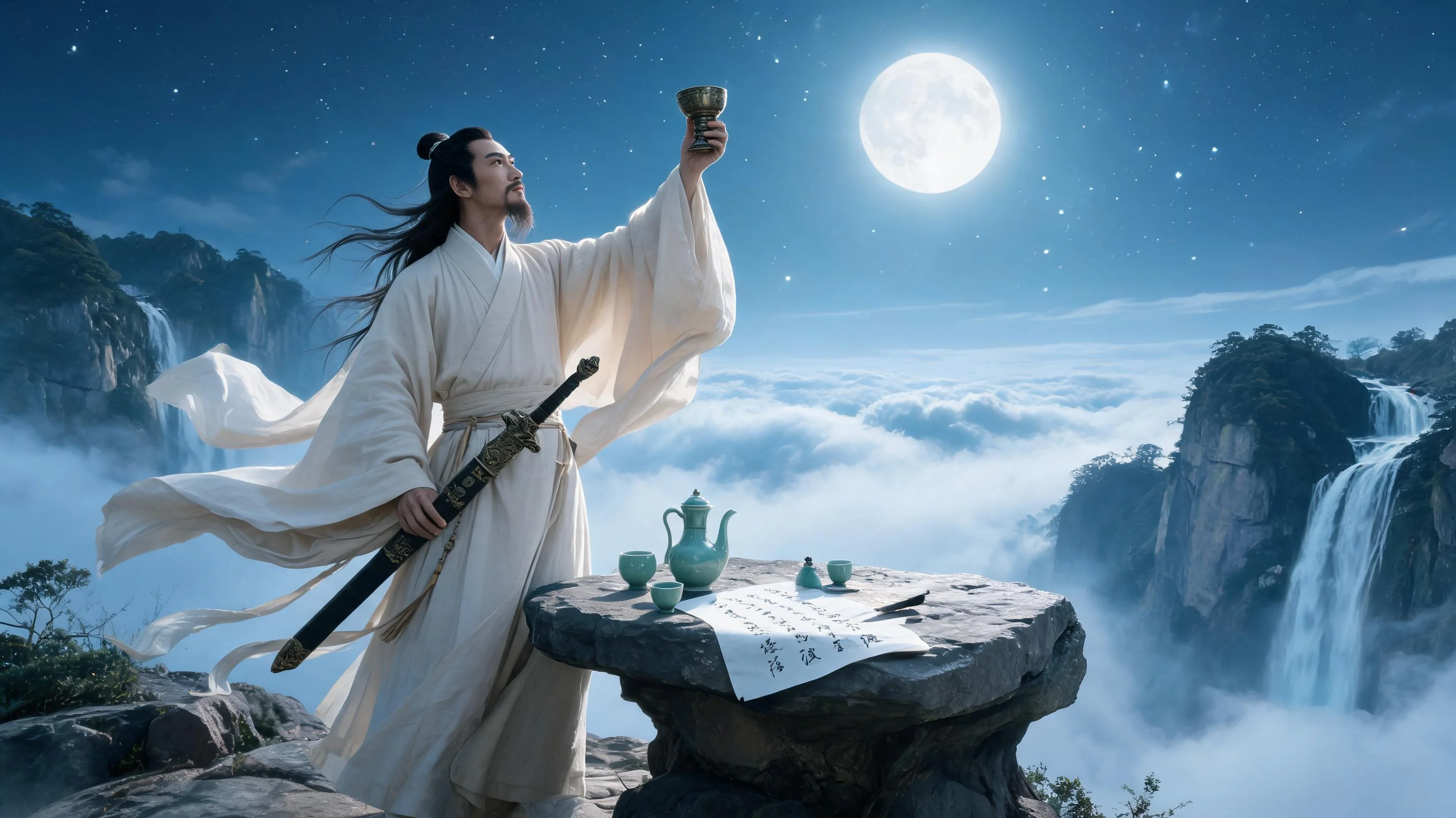 Studies & Exams
 Safety & Blessing
 Studies & Exams
 Studies & Exams