
Yang Yunsong
杨筠松 · 楊筠松
Founding Master of the Form School of Feng Shui · Patriarch of the Jiangxi School
Divine Office
- Safeguarding the transmission of the Form School (Xingshi Pai) of geomancy
- Protecting the practice of site selection to alleviate poverty
- Ensuring peace and safety for residential dwellings
- Inspiring students of feng shui
- Blessing scholarly culture in southern Jiangxi
Origin & Legend
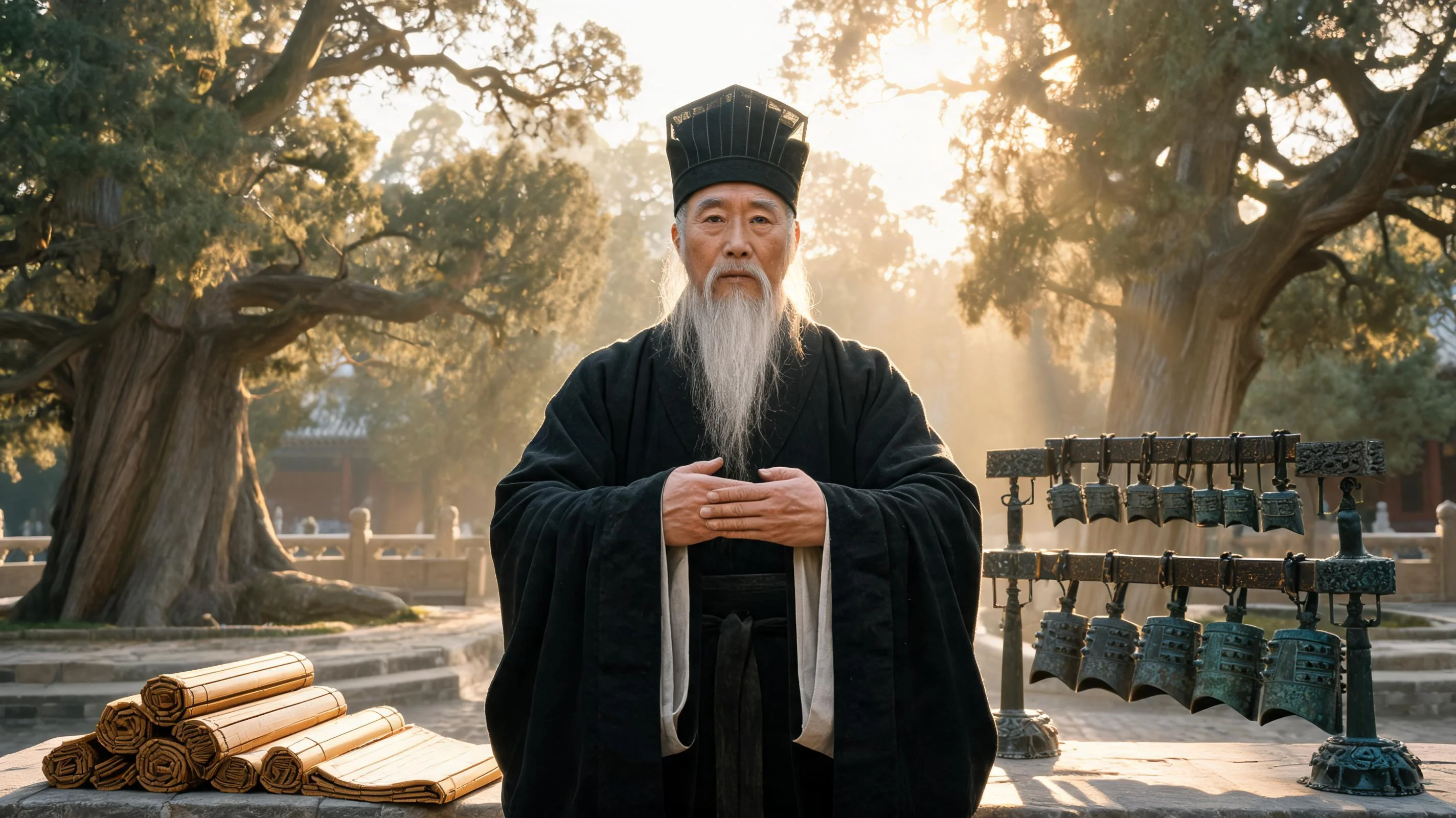
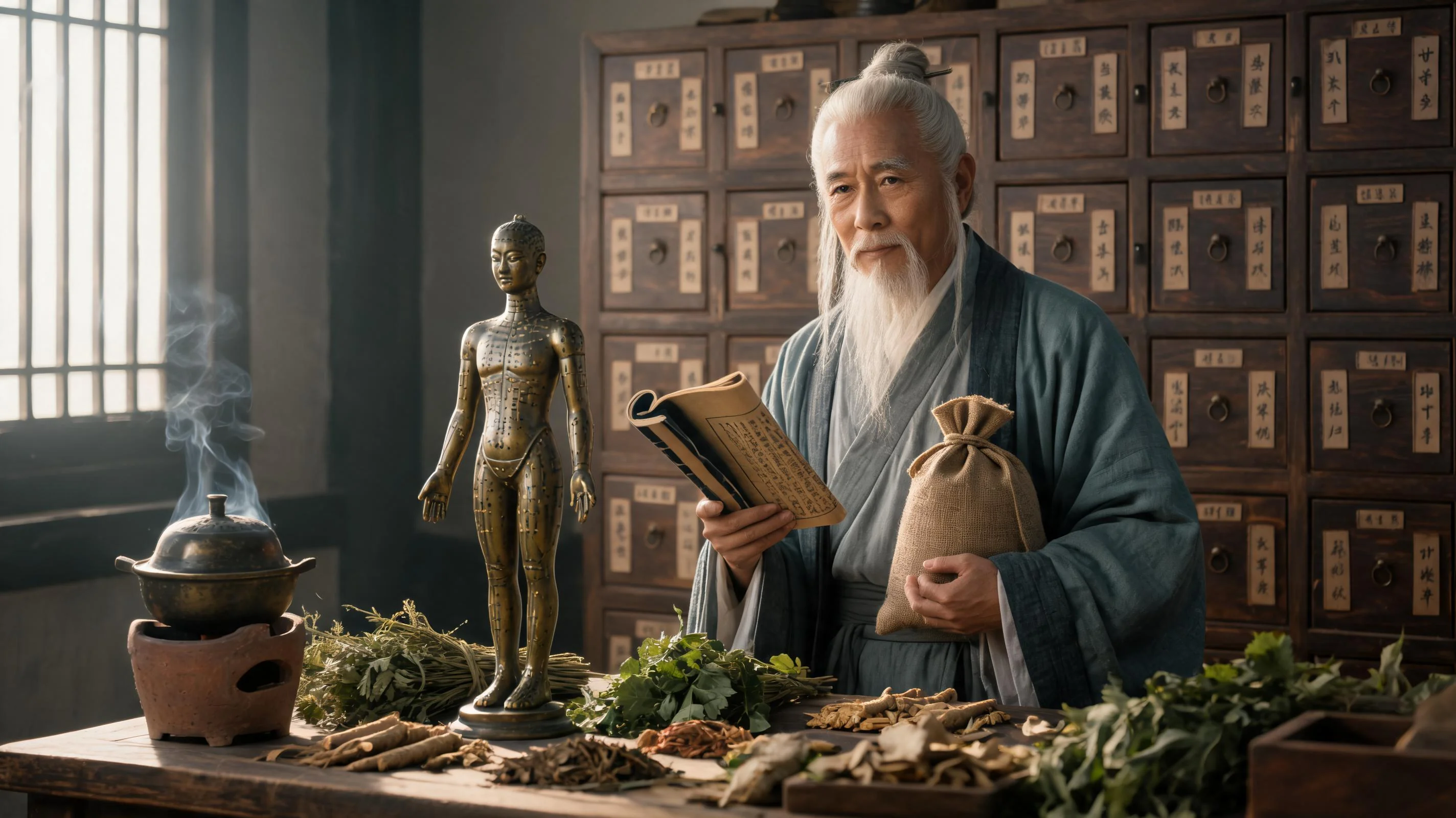
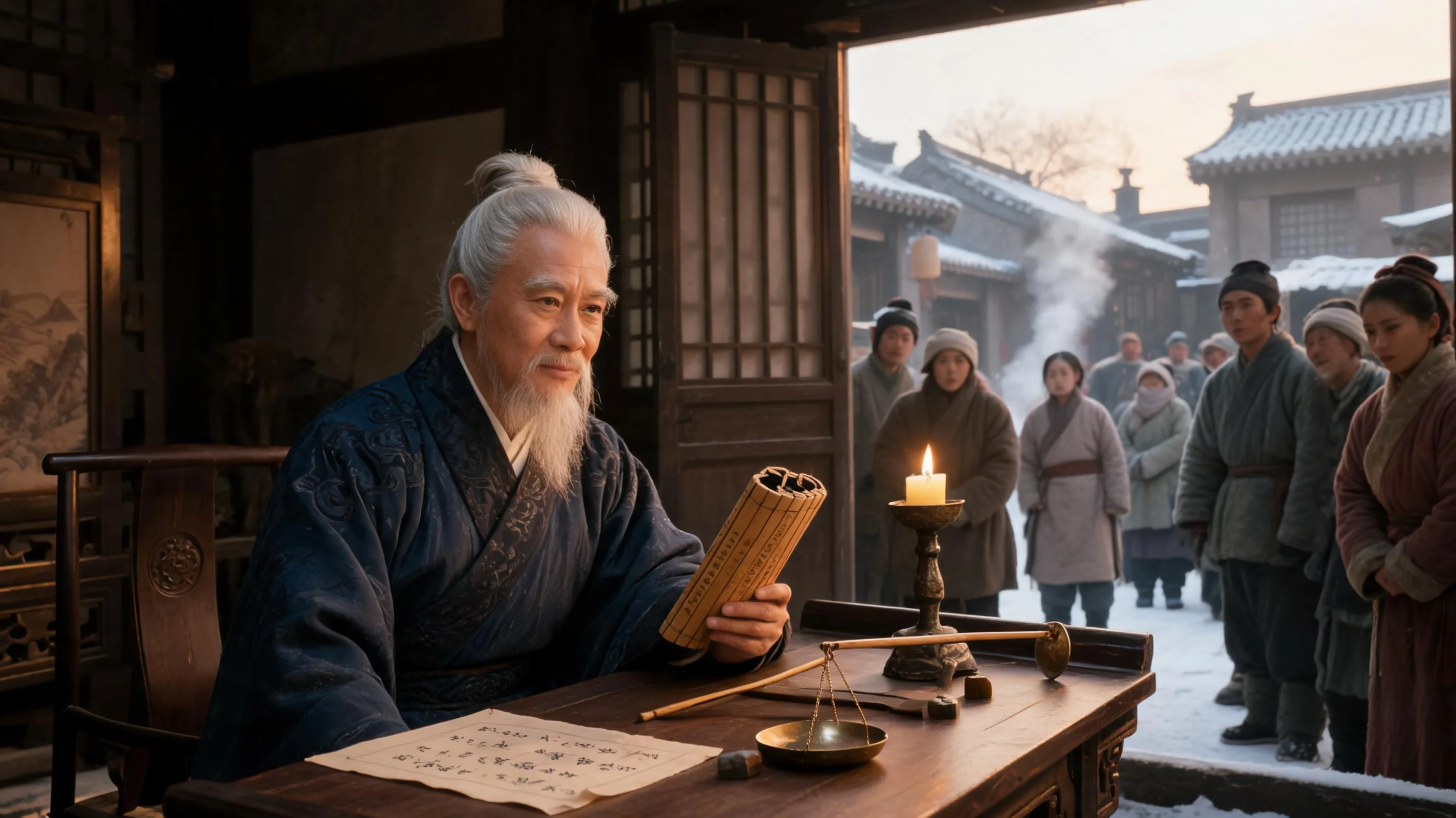
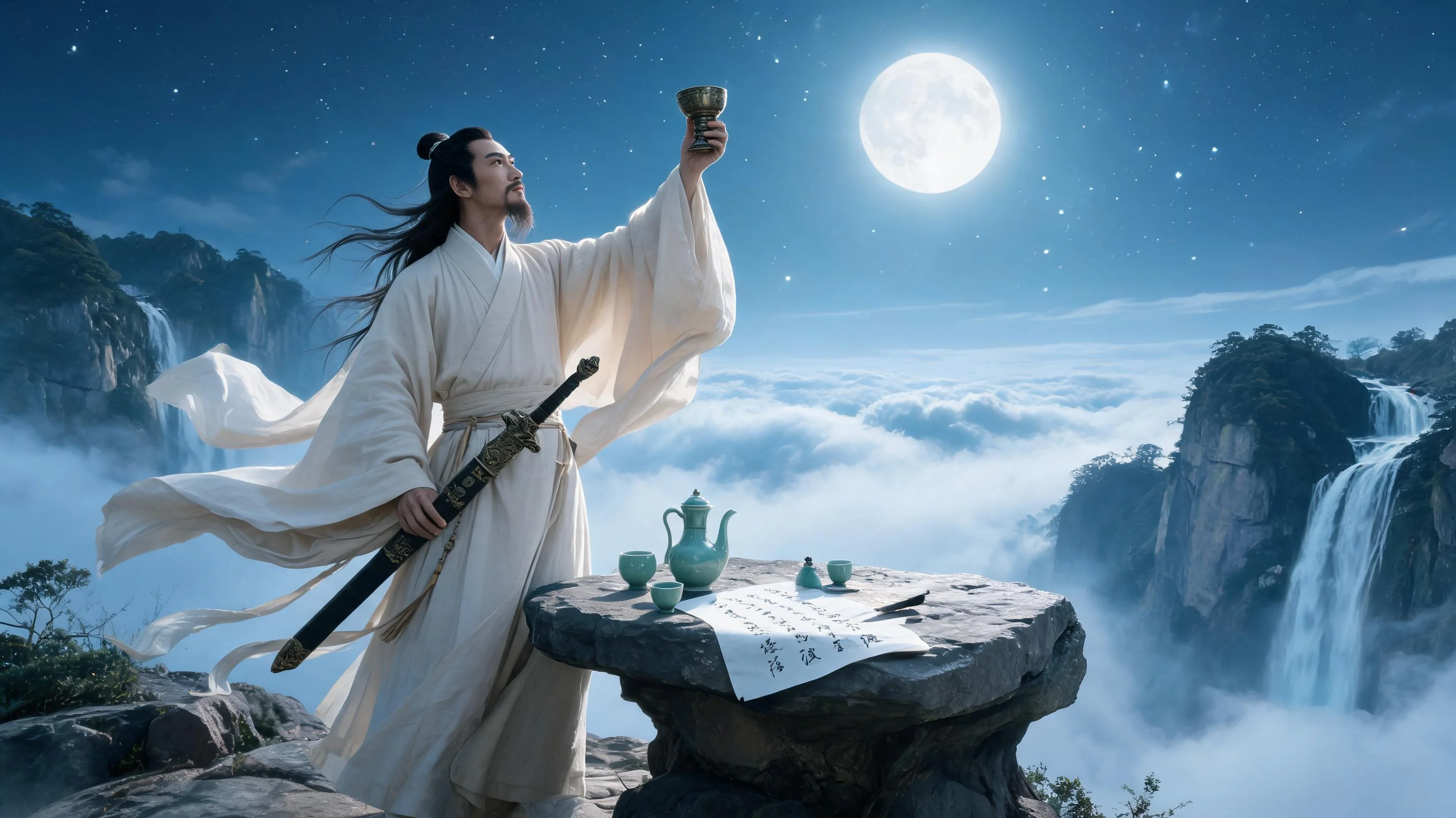
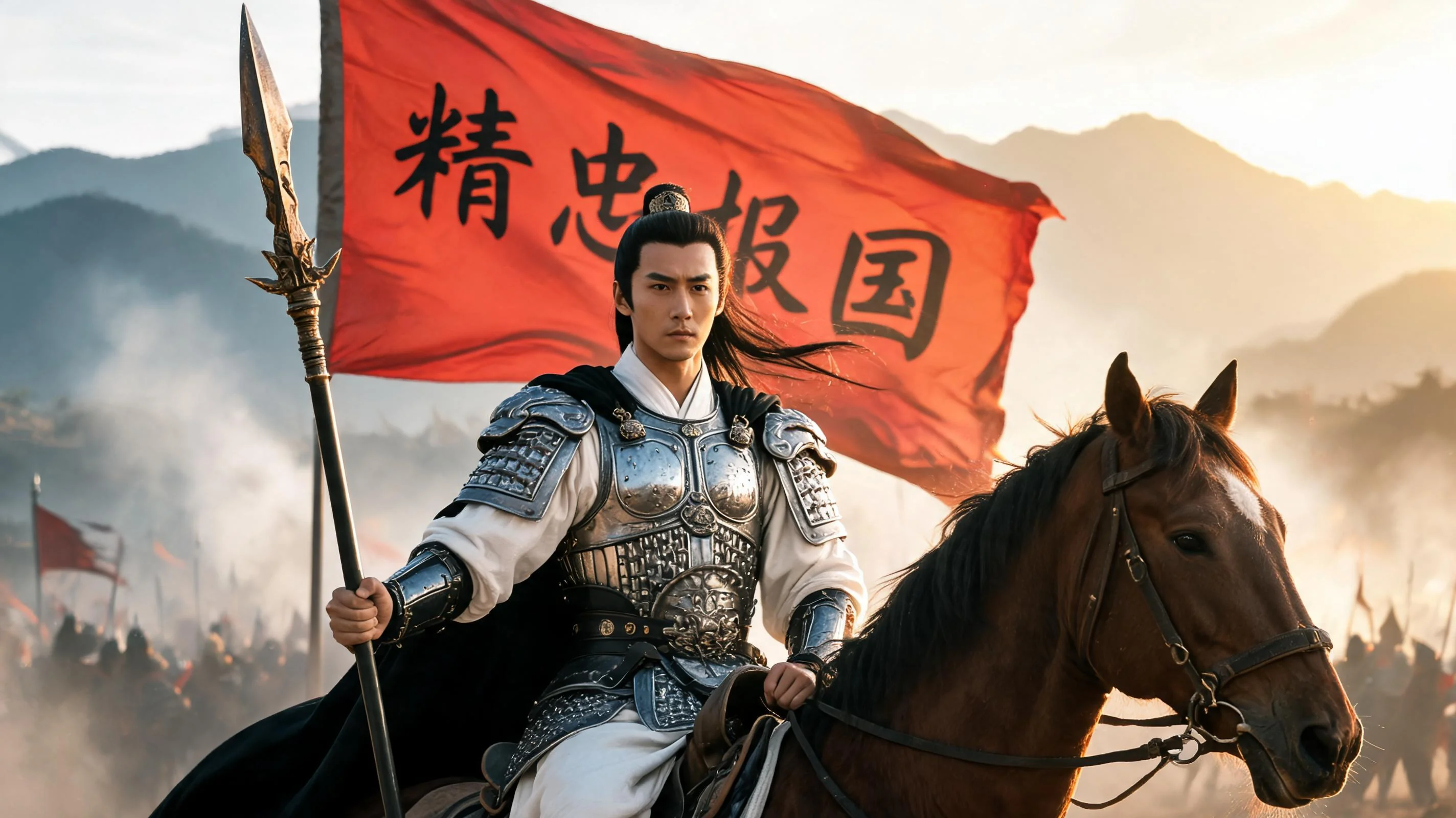
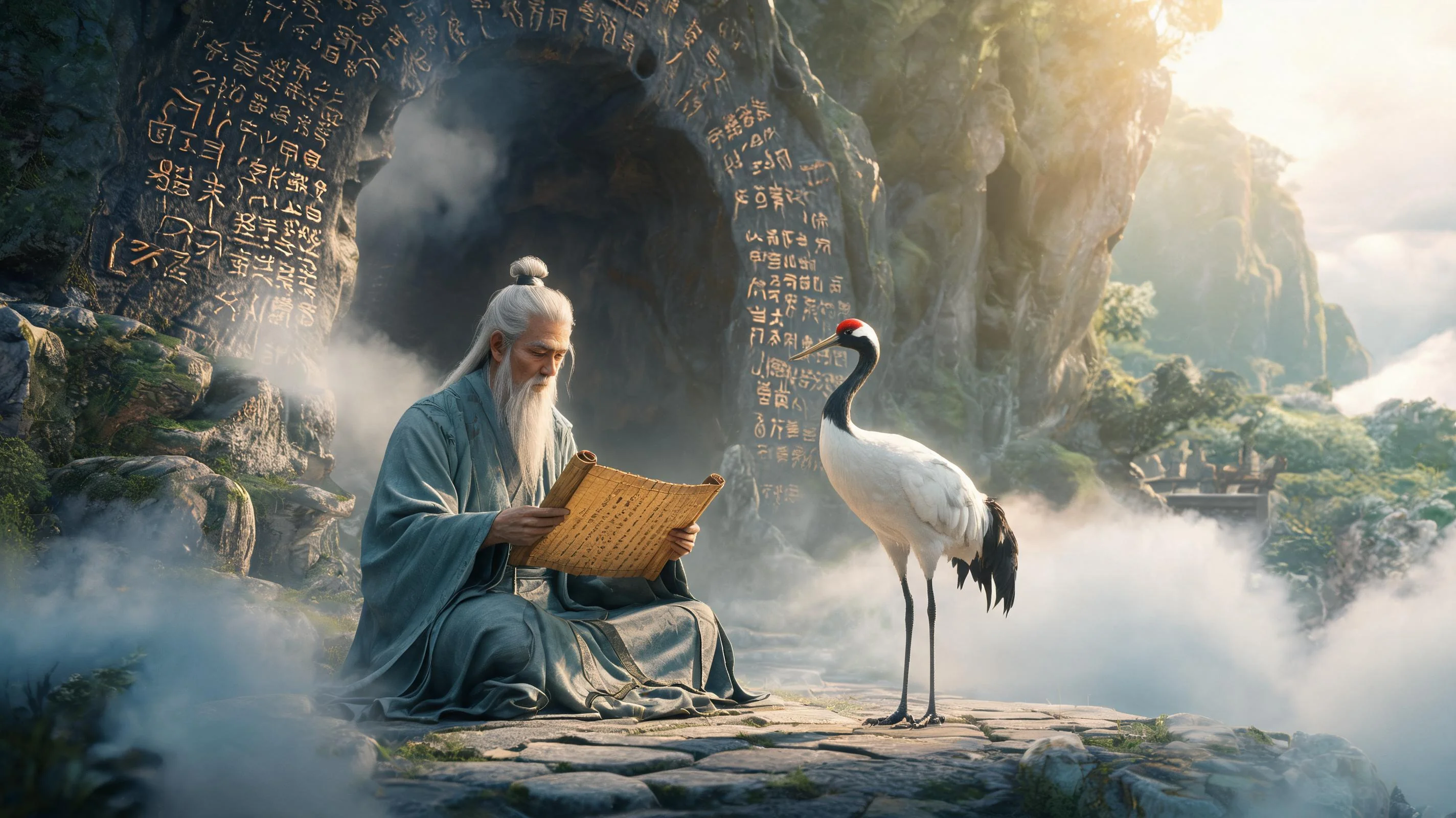
Yang Yunsong’s given name was Yi and his courtesy name Shu Mao; he was also known by the honorific title 'Master Who Rescues the Poor'. Serving as Imperial Geomancer (Guoshi) under Emperor Xizong of the Tang dynasty, he oversaw terrestrial affairs at the Lingtai Astronomical Observatory. After Huang Chao’s rebel forces sacked the capital Chang’an, Yang fled south to Ganzhou in Jiangxi, carrying with him secret imperial texts on feng shui. There, he applied the art of site selection (kanyu) to help common people choose auspicious locations for homes and tombs, alleviating poverty and hardship—earning him the enduring epithet 'Master Who Rescues the Poor'. He established the Form School (also called the Luan Tou Pai or 'Mountain-Forms School') of feng shui, authoring seminal works including the 'Treatise on Shaking the Dragon', the 'Treatise on Doubtful Dragons', and the 'Method of Reversing the Staff for Burial'. His disciples included Zeng Wendan and Liao Yu, and together they laid the foundations for the Jiangxi School, whose influence has endured for over a millennium. The siting of Hakka dwellings and ancestral halls across southern Jiangxi remains deeply rooted in his teachings, and relics associated with him still stand today on Yangxian Ridge. Feng shui practitioners revere him as a peerless master and founding sage.
 Studies & Exams
 Health & Averting Calamity
 Safety & Blessing
 Health & Averting Calamity
 Health & Averting Calamity
 Studies & Exams
 Safety & Blessing
 Studies & Exams