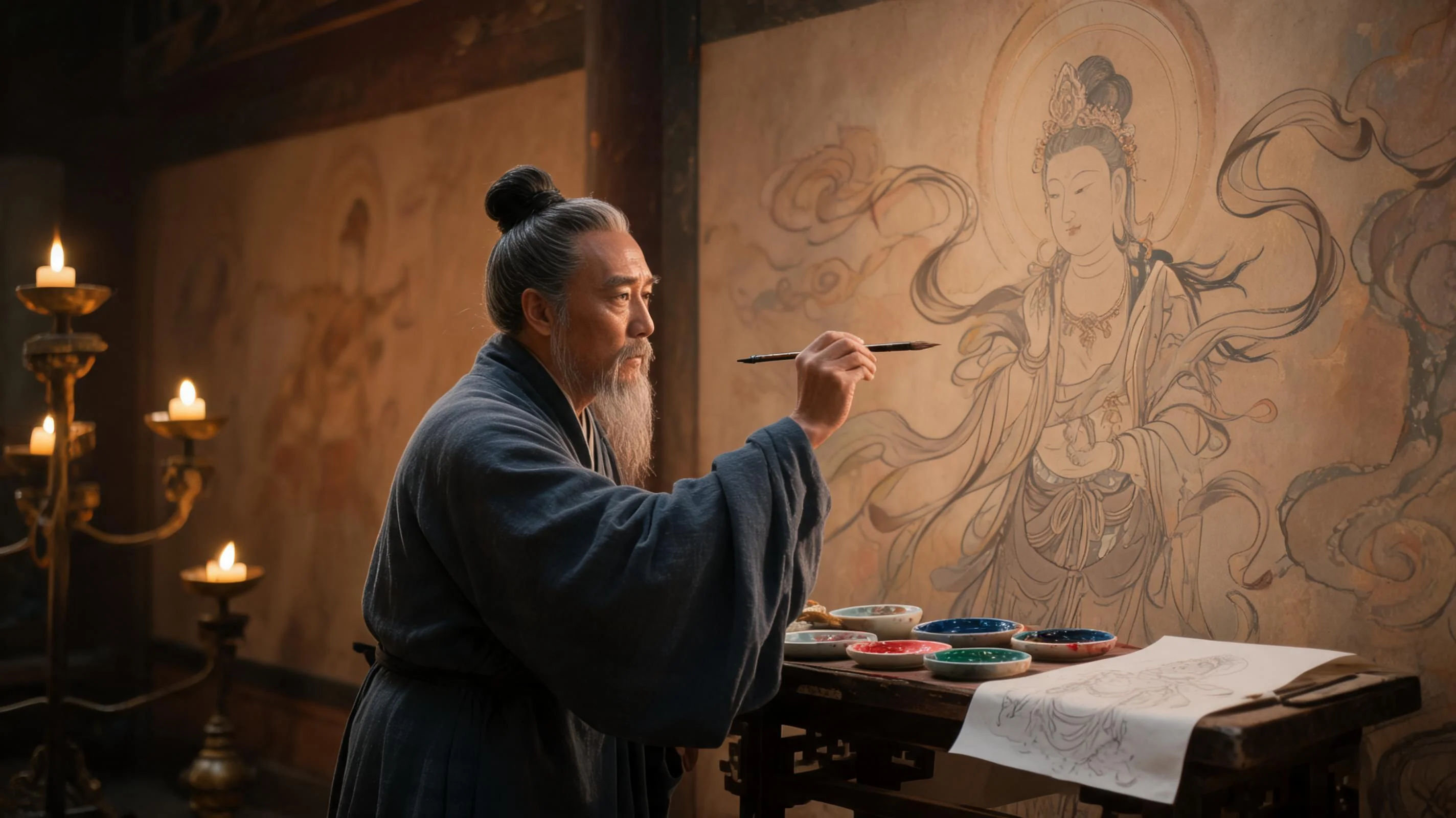
Wu Daozi
吴道子 · 吳道子
Sage of Painting
Divine Office
- Protecting painters and artisans to advance their technical mastery
- Blessing students of the arts with sudden insight and enlightenment
- Sheltering the painting profession to ensure its prosperity
- Overseeing the art of painting
Origin & Legend
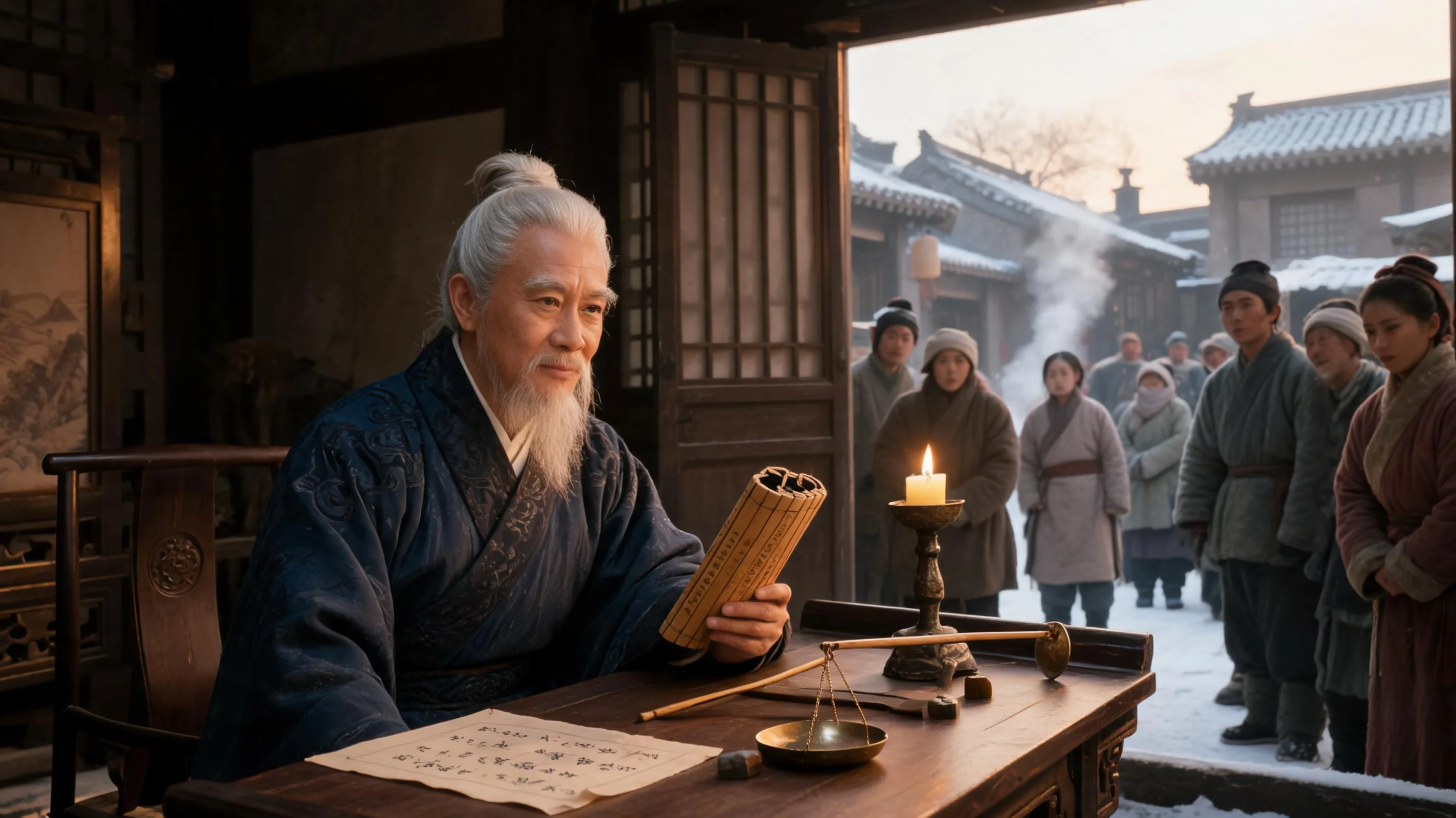
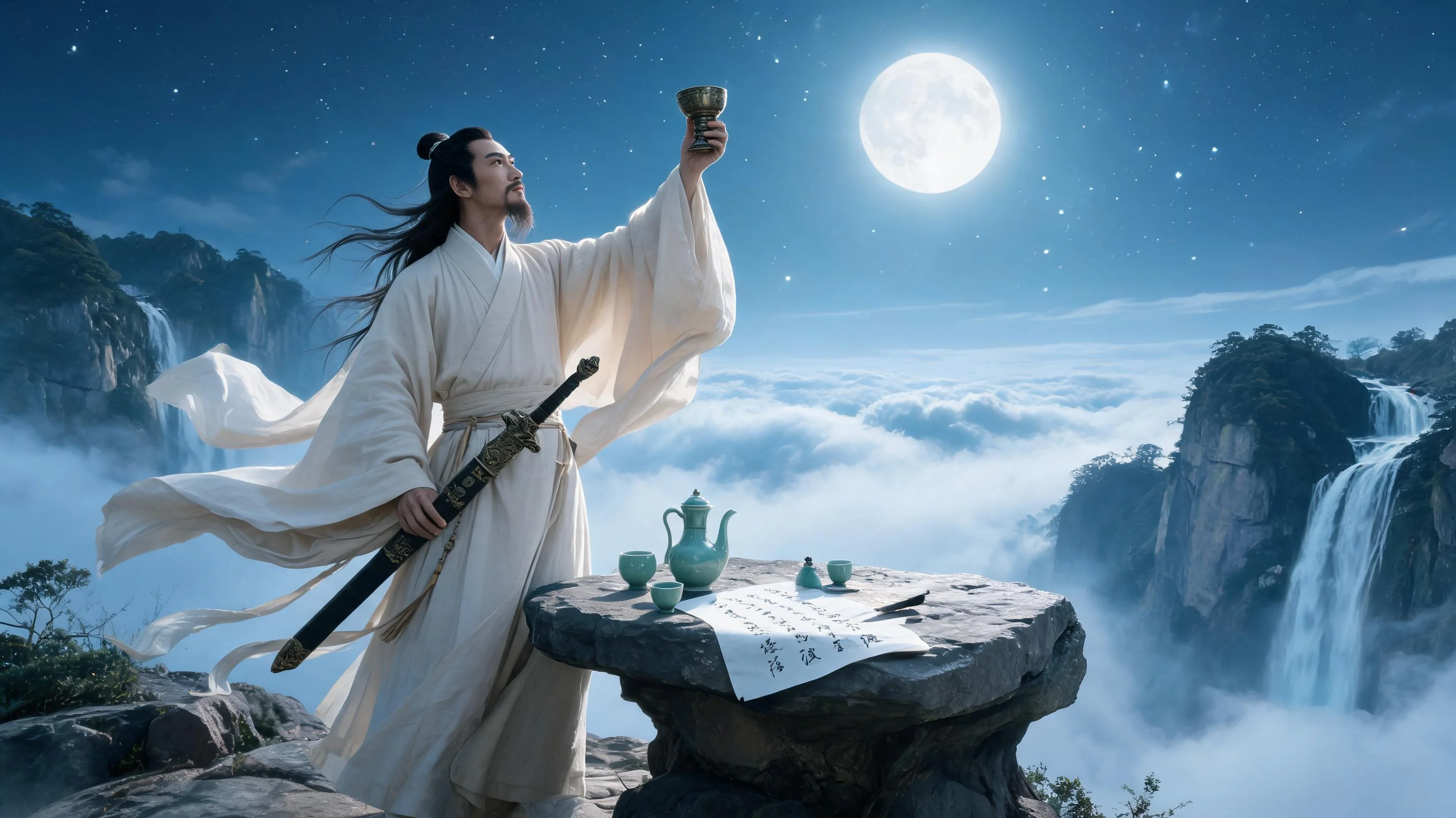
Wu Daozi—also known by his courtesy name Daoxuan—was a native of Yangdi during the Tang dynasty. Orphaned and impoverished in childhood, he apprenticed under folk painters before entering imperial service as an Internal Instruction Doctor at court. He excelled in Buddhist and Daoist figures, landscapes, and birds-and-beasts, mastering a sinuous, powerful line technique that made garments appear to billow as if caught in a gust—hence the celebrated epithet 'Wu-style belts fluttering in the wind'. Legend holds that when he painted the Hell Transformation tableau at Jinggong Temple, butchers and fishermen of Chang’an were so struck with awe and dread that they abandoned their trades. On another occasion, he rendered the entire 300-li stretch of the Jialing River landscape on the wall of the Datong Hall in a single day. Emperor Xuanzong lauded him as 'peerless in painting throughout the realm', and contemporaries revered him as the Sage of Painting. Generations of painters’ guilds and studios have enshrined Wu Daozi as their patron deity; aspiring artists pay homage to him, praying for luminous brushwork and artistic accomplishment.
 Studies & Exams
 Health & Averting Calamity
 Safety & Blessing
 Health & Averting Calamity
 Health & Averting Calamity
 Studies & Exams
 Safety & Blessing
 Studies & Exams