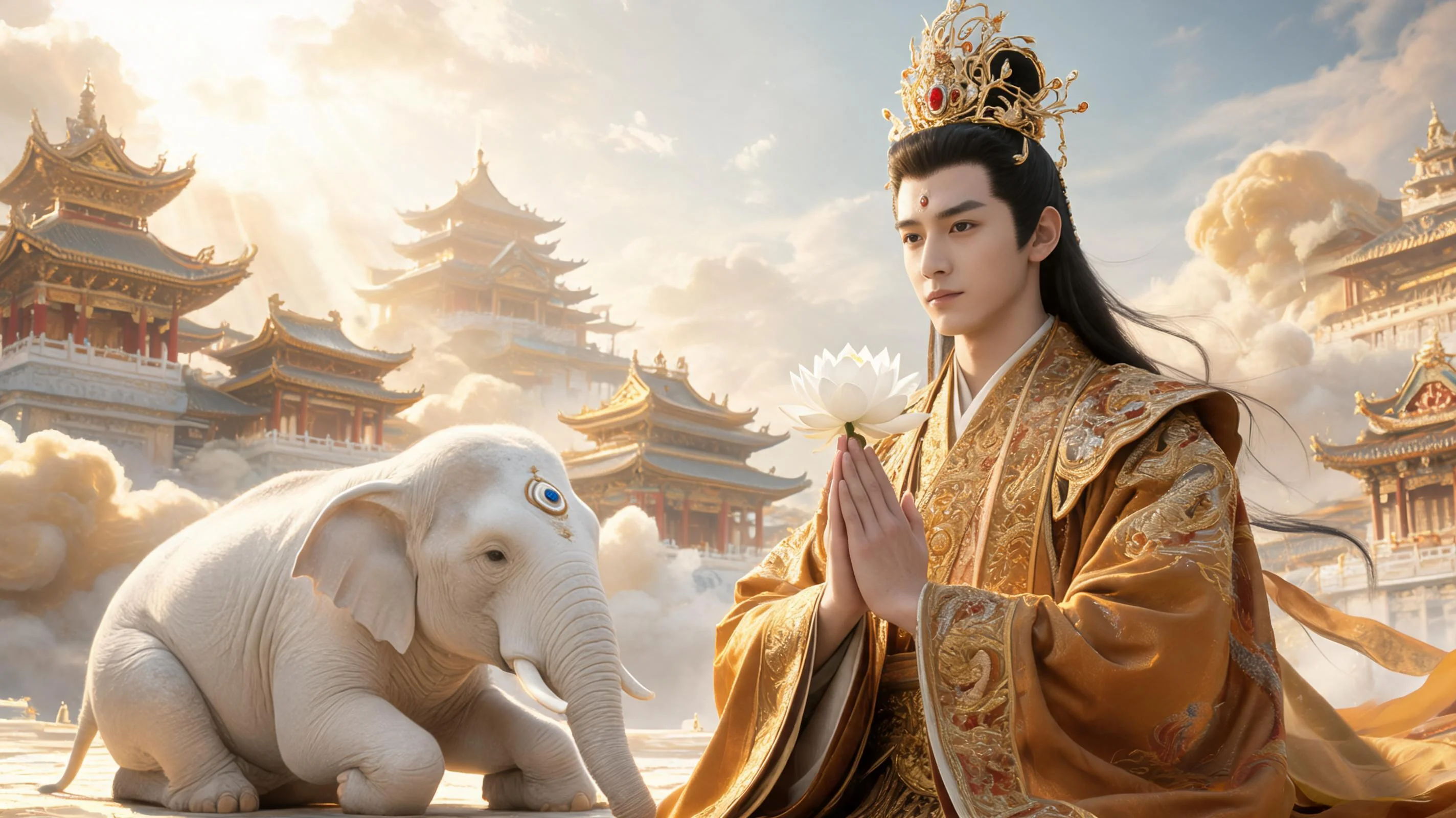
Indra (Dishi Tian)
帝释天 · 帝釋天
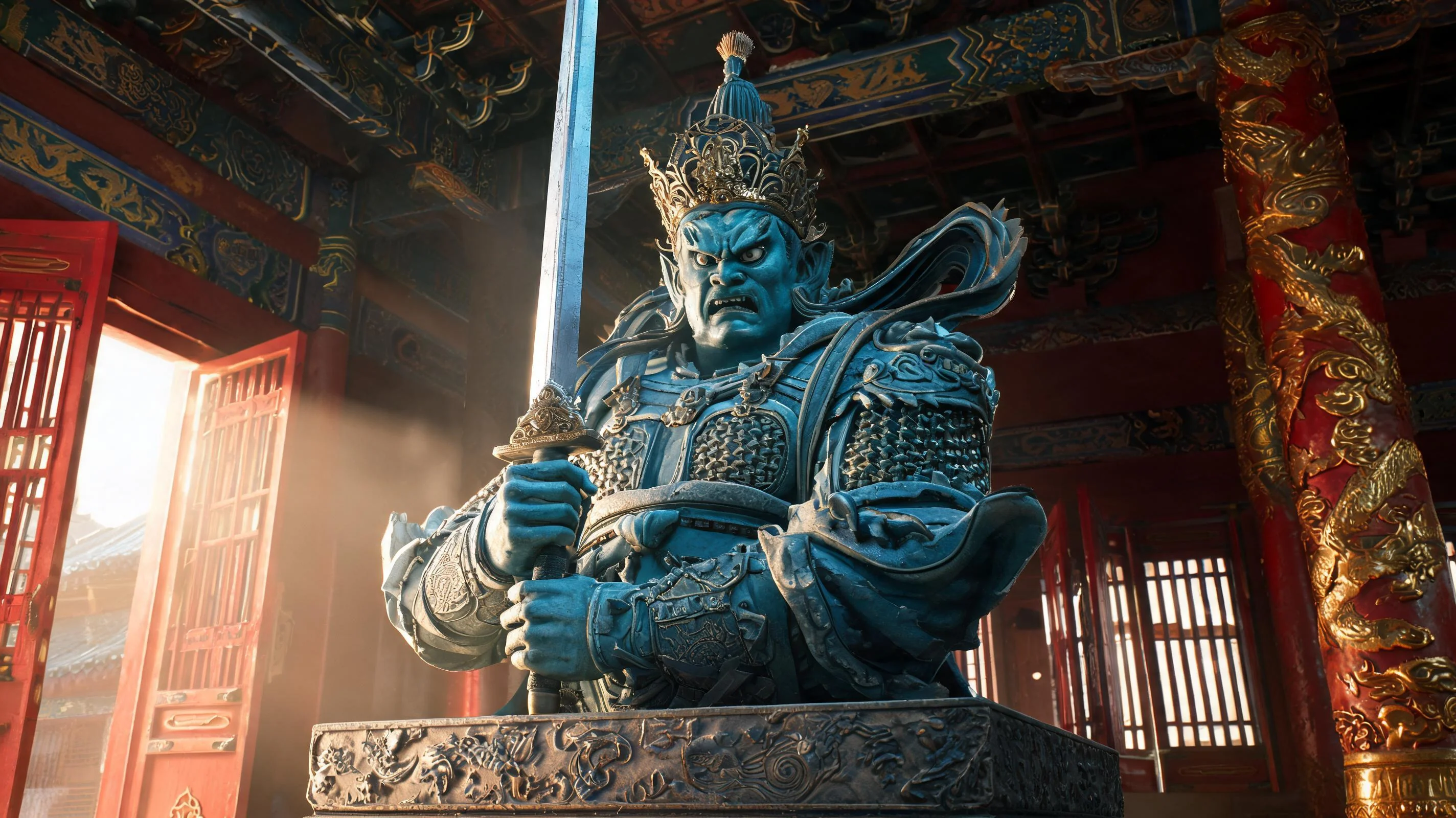
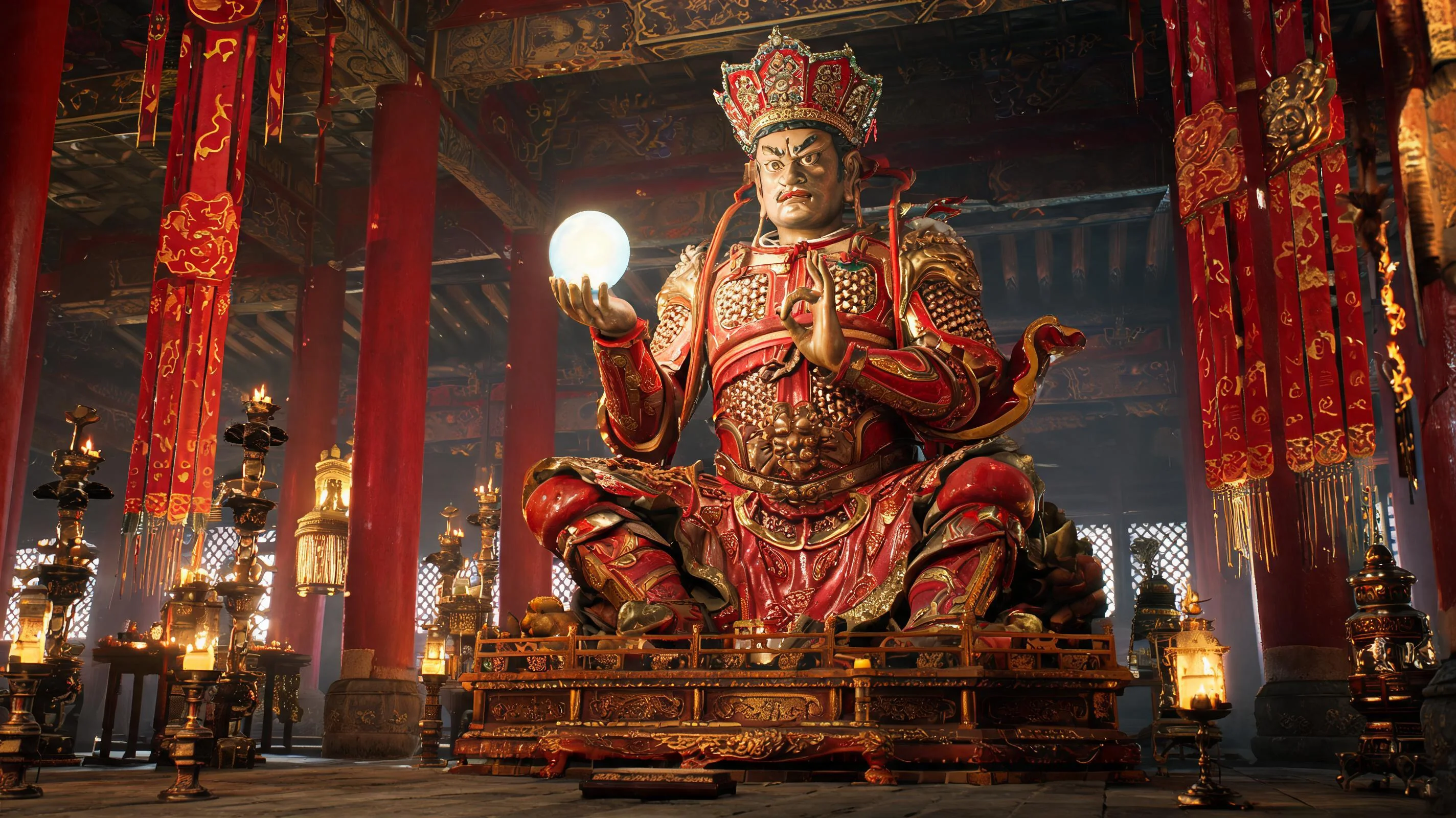
Lord of the Trāyastriṃśa Heaven and Venerable Indra
Divine Office
- Resides in Sudarśana City on Mount Sumeru, ruling over the thirty-three heavens
- Protects the Buddhist Dharma and regularly attends the Buddha’s discourses
- Safeguards virtuous people in the human realm and bestows blessings upon those who practise goodness
- Upholds justice and leads the celestial hosts in subduing the Asuras
Origin & Legend
Indra originates from the Vedic mythological figure Indra, the god of thunder and storms; upon entering Buddhism, he became the lord of the Trāyastriṃśa Heaven—also known as the Heaven of the Thirty-Three—residing in Sudarśana City atop Mount Sumeru and presiding over its thirty-three celestial realms. When Śākyamuni Buddha ascended to the Trāyastriṃśa Heaven to teach the Dharma to his mother, Indra served as chief attendant and protector. Legend holds that in a previous life he was a Brahmin from the Magadha kingdom who, through diligent practice of generosity and other meritorious deeds, attained rebirth as the celestial sovereign. Thus, in Buddhist tradition, Indra exemplifies the foremost of the dharmapāla deities—the celestial guardians of the Dharma—and frequently leads Brahmā, the Four Heavenly Kings, and other heavenly beings in safeguarding the true teachings. His birthday is traditionally observed on the 9th day of the 1st lunar month, especially marked in southern China by the ‘Offering to the Heavens’ ritual; the Ming-dynasty Dishitian-Fantian murals at Beijing’s Fahai Temple represent the supreme artistic embodiment of his iconography.
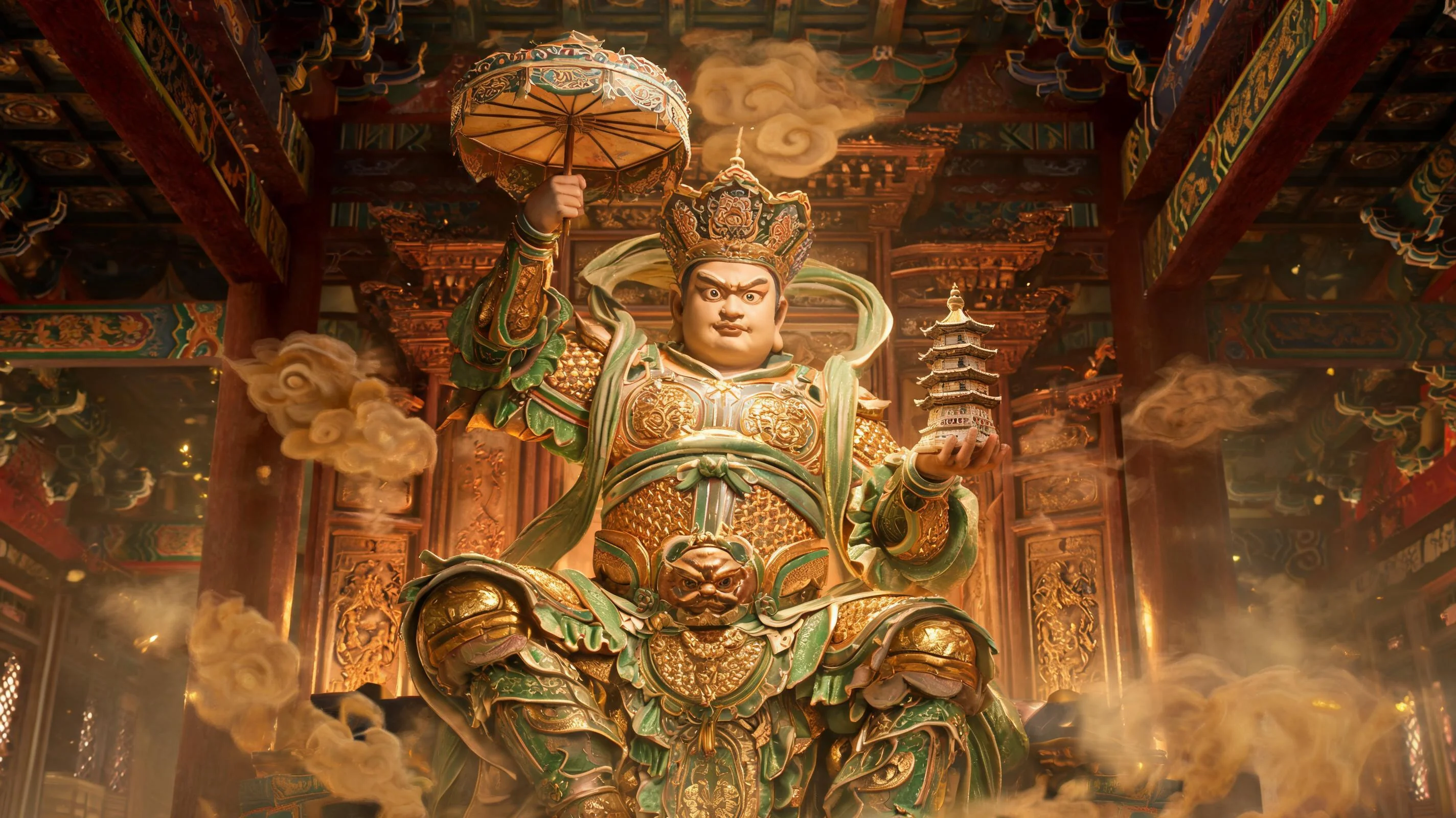 Wealth
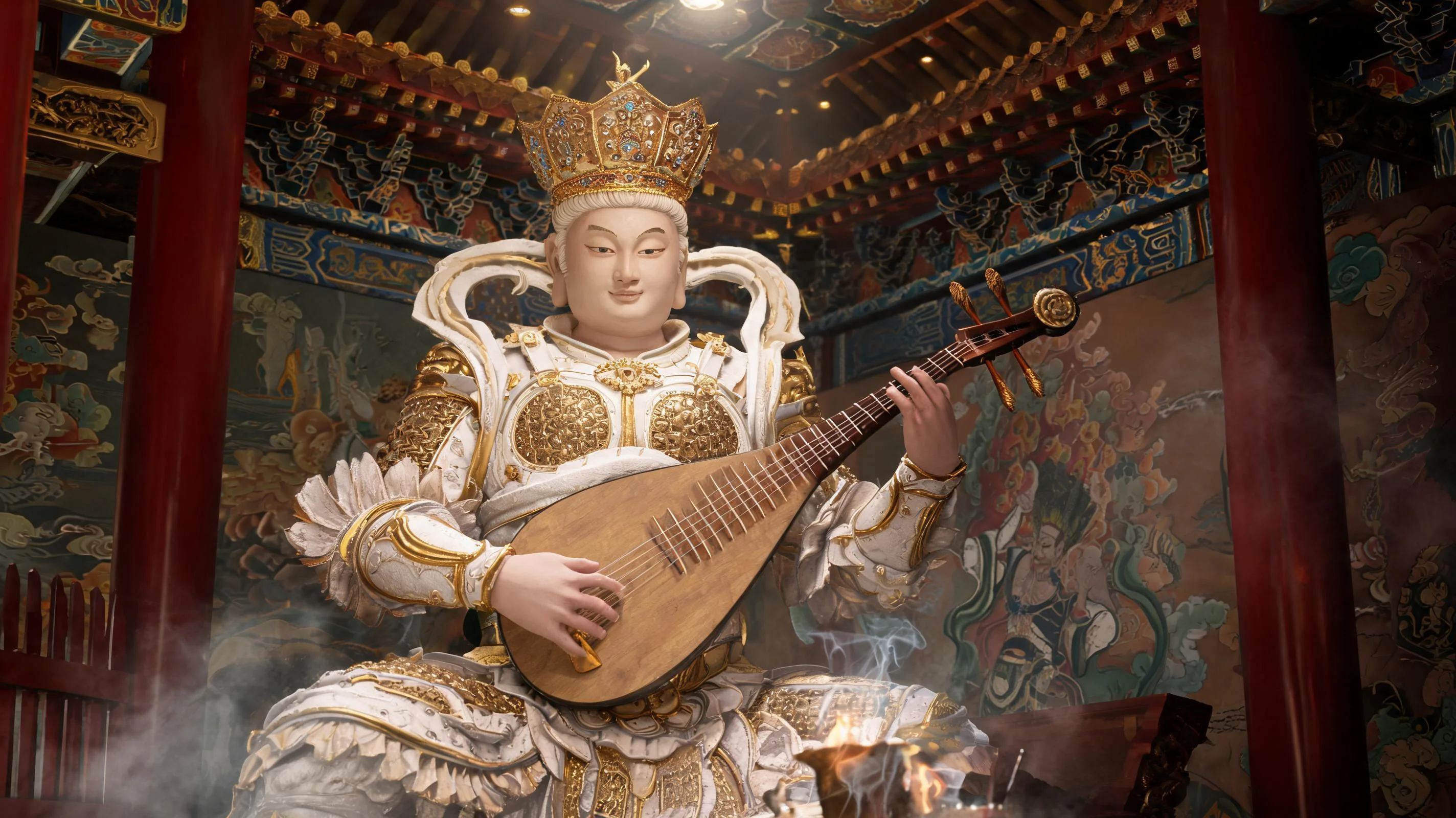 Safety & Blessing
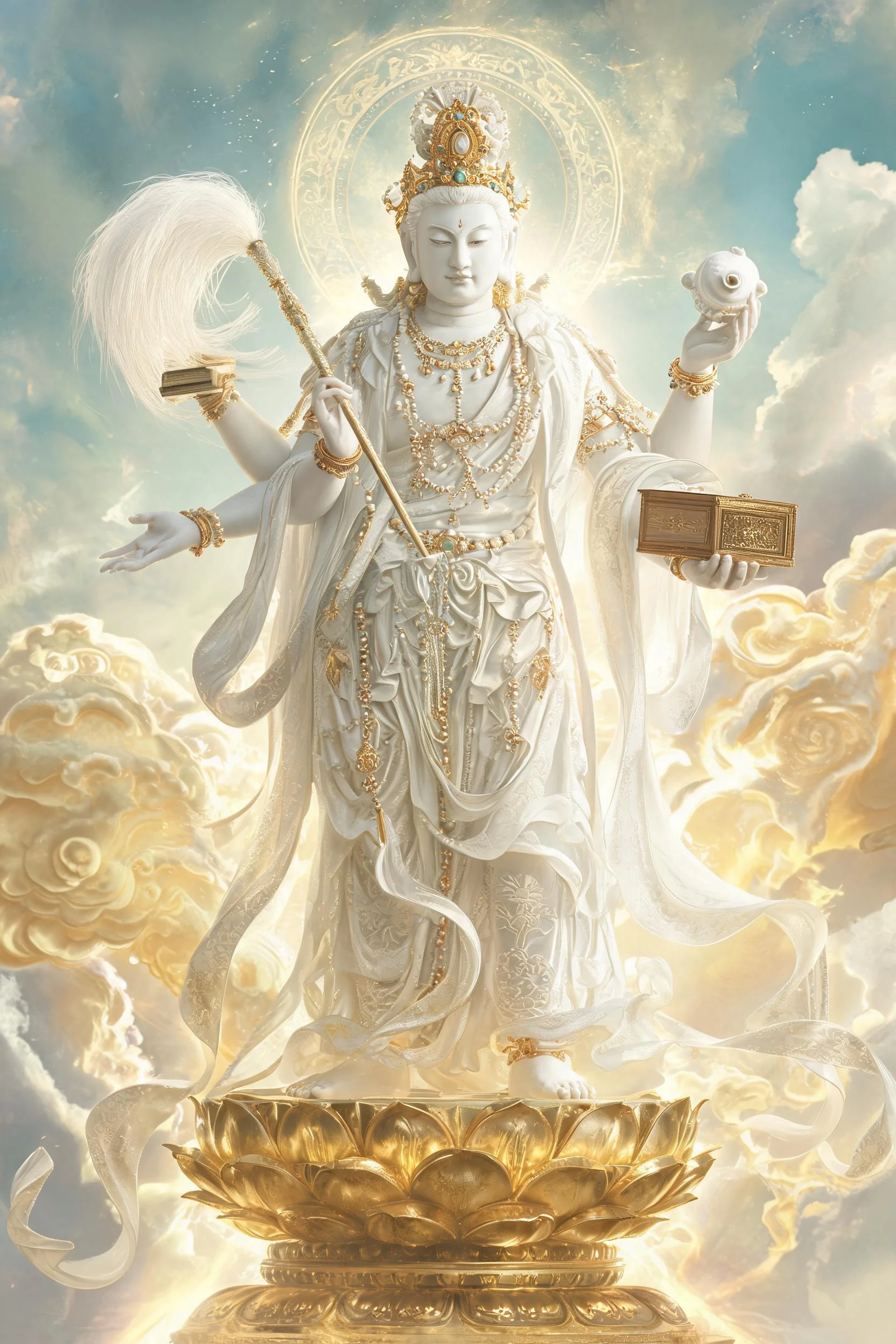 Safety & Blessing
 Safety & Blessing
 Studies & Exams
 Safety & Blessing
 Wealth
 Wealth